THE ADVENTURE COLLECTIVE® · Independent discovery and booking for outdoor travel

Spend two days beneath Kilimanjaro’s shadow watching elephant herds cross swamps and learning contemporary Maasai culture. This vehicle-based safari balances spectacular wildlife viewing with practical logistics for first-time visitors.
Spend two days beneath Kilimanjaro’s shadow watching elephant herds cross swamps and learning contemporary Maasai culture. This vehicle-based safari balances spectacular wildlife viewing with practical logistics for first-time visitors.
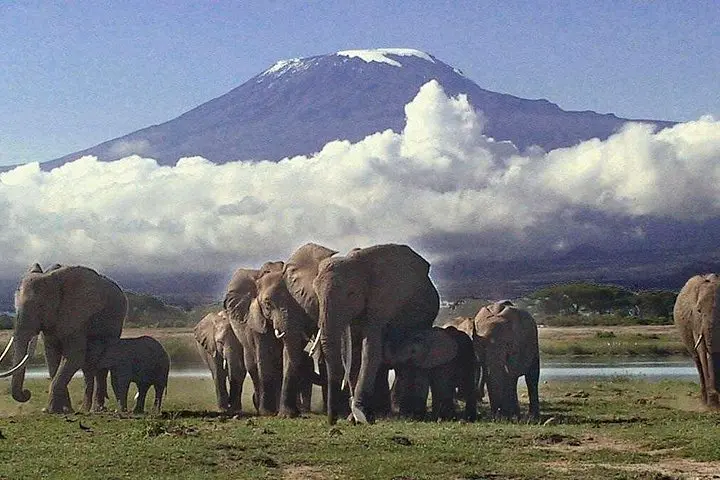
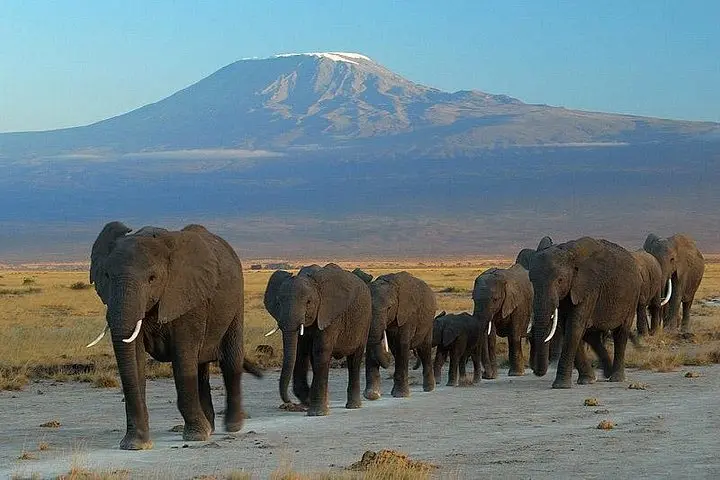
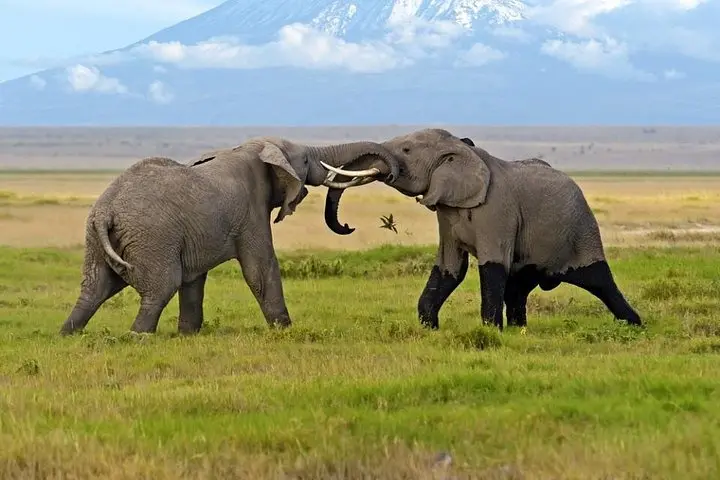
A low, hot dawn spreads across the Amboseli plains and the silhouette of Mount Kilimanjaro cuts a cold line against the sky. The first game drive pushes forward across flat floodplain and papyrus swamps; elephants move like deliberate weather, trampling reedbeds while pelicans argue over the shallows. Observation Hill gives a wide-angle pulse of the park: swamp, salt pan, and the slow geometric march of wildlife.
Verified experiences and guided adventures in the surrounding area.
Operated by Gracepatt Safaris · Amboseli, Kajiado County
A low, hot dawn spreads across the Amboseli plains and the silhouette of Mount Kilimanjaro cuts a cold line against the sky. The first game drive pushes forward across flat floodplain and papyrus swamps; elephants move like deliberate weather, trampling reedbeds while pelicans argue over the shallows. Observation Hill gives a wide-angle pulse of the park: swamp, salt pan, and the slow geometric march of wildlife.
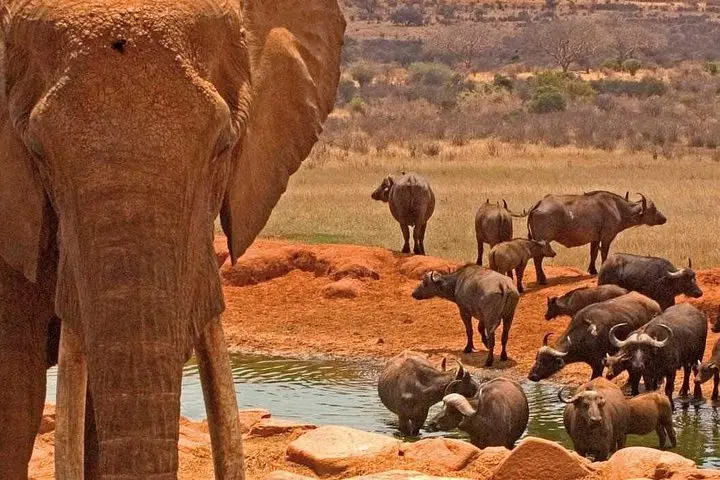
Amboseli sits in the rain shadow of Kilimanjaro, its soils fed by ancient volcanic activity from the mountain and washed into broad silty plains. The park has been a meeting place for Maasai pastoralists for generations; local culture remains visible in the open country and village visits often accompany safaris. Geologically, the park’s flatness and seasonal wetlands create concentrated wildlife viewing — large elephant herds, buffalo and hippos gather where water persists.
Expect two days of guided game drives from a safari camp base, timed around golden hours for maximum animal activity and Mt. Kilimanjaro visibility. Drives are vehicle-based with short, supervised exits at designated sites; early mornings offer the best light and cooler temperatures. Practicalities: park fees are typically included in packaged tours, road conditions can be rough outside dry season, and heat plus sun exposure are constant concerns. Bring layered clothing for mornings that flip from cool to hot, a good pair of binoculars, spare camera batteries, and modest cash for local guides and community visits. Respect viewing distances, follow your guide’s directions, and allow the landscape to direct the pace — Amboseli moves on its own rhythm.
Not always — visibility depends on cloud cover and time of day; early mornings after dry nights offer the best chance to see the snow-capped summit.
Yes — packaged itineraries typically include national park fees, as noted in the tour inclusions.
Children can join but policies vary by operator; many require infants to sit on laps and supervise children at all times.
Accommodations are camp or lodge-based (eg. Kibo Safari Camp or similar) offering basic to comfortable amenities depending on booking level.
Gracepatt Safaris operates guided outdoor trips and adventures with an emphasis on safety, stewardship, and memorable experiences.
A low, hot dawn spreads across the Amboseli plains and the silhouette of Mount Kilimanjaro cuts a cold line against the sky. The first game drive pushes forward across flat floodplain and papyrus swamps; elephants move like deliberate weather, trampling reedbeds while pelicans argue over the shallows. Observation Hill gives a wide-angle pulse of the park: swamp, salt pan, and the slow geometric march of wildlife.
A low, hot dawn spreads across the Amboseli plains and the silhouette of Mount Kilimanjaro cuts a cold line against the sky. The first game drive pushes forward across flat floodplain and papyrus swamps; elephants move like deliberate weather, trampling reedbeds while pelicans argue over the shallows. Observation Hill gives a wide-angle pulse of the park: swamp, salt pan, and the slow geometric march of wildlife.
Amboseli sits in the rain shadow of Kilimanjaro, its soils fed by ancient volcanic activity from the mountain and washed into broad silty plains. The park has been a meeting place for Maasai pastoralists for generations; local culture remains visible in the open country and village visits often accompany safaris. Geologically, the park’s flatness and seasonal wetlands create concentrated wildlife viewing — large elephant herds, buffalo and hippos gather where water persists.
Expect two days of guided game drives from a safari camp base, timed around golden hours for maximum animal activity and Mt. Kilimanjaro visibility. Drives are vehicle-based with short, supervised exits at designated sites; early mornings offer the best light and cooler temperatures. Practicalities: park fees are typically included in packaged tours, road conditions can be rough outside dry season, and heat plus sun exposure are constant concerns. Bring layered clothing for mornings that flip from cool to hot, a good pair of binoculars, spare camera batteries, and modest cash for local guides and community visits. Respect viewing distances, follow your guide’s directions, and allow the landscape to direct the pace — Amboseli moves on its own rhythm.