THE ADVENTURE COLLECTIVE® · Independent discovery and booking for outdoor travel

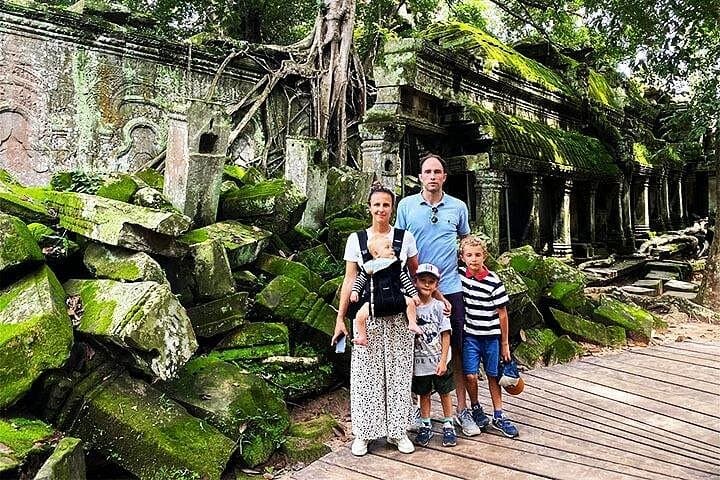
Watch sunrise over Angkor Wat, trace the carved corridors of Angkor Thom and stand beneath Ta Prohm’s tree‑engulfed galleries on this compact two‑day circuit. Practical tips on timing, packing and temple etiquette help you get the most from each sunrise and quiet corridor.
Watch sunrise over Angkor Wat, trace the carved corridors of Angkor Thom and stand beneath Ta Prohm’s tree‑engulfed galleries on this compact two‑day circuit. Practical tips on timing, packing and temple etiquette help you get the most from each sunrise and quiet corridor.
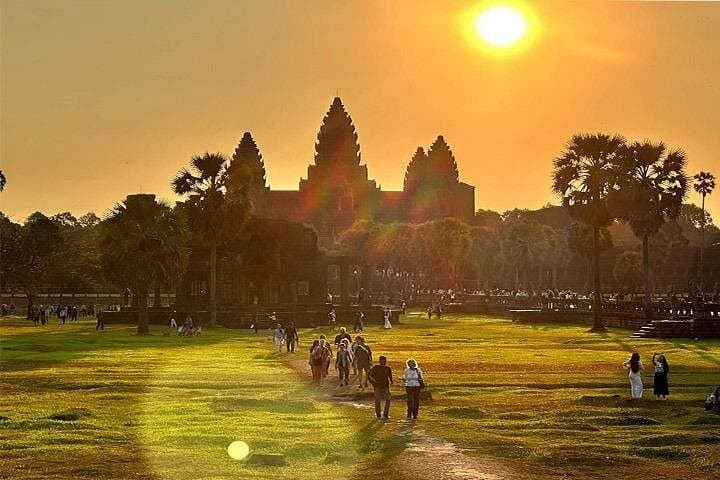
A pre-dawn tuk‑tuk slips through Siem Reap’s sleeping streets and the silhouette of Angkor Wat rises like a carved horizon. You step from the vehicle into the cool, humid air as the first light edges the temple’s five towers; reflections jitter across the moat and the bas‑reliefs start to reveal themselves in gold and shadow.
Verified experiences and guided adventures in the surrounding area.
Operated by Angkor Thom Siem Reap Tour · Siem Reap, Siem Reap Province
A pre-dawn tuk‑tuk slips through Siem Reap’s sleeping streets and the silhouette of Angkor Wat rises like a carved horizon. You step from the vehicle into the cool, humid air as the first light edges the temple’s five towers; reflections jitter across the moat and the bas‑reliefs start to reveal themselves in gold and shadow.
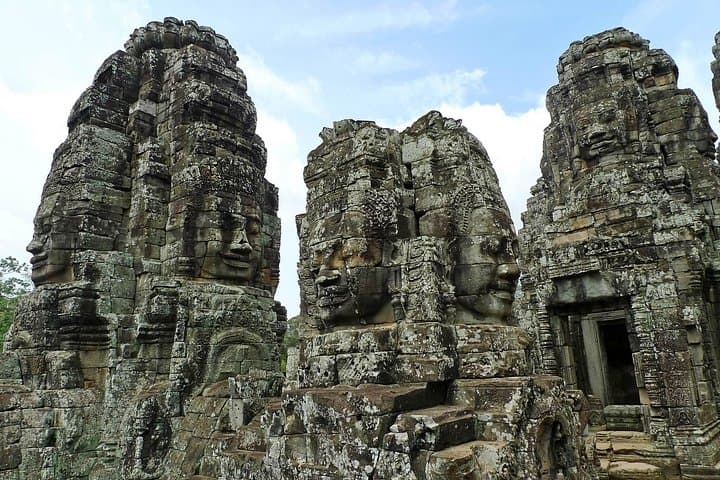
Over two purposeful days you move from the quiet of sunrise at Angkor Wat to the crowded grandeur of Angkor Thom and the face towers of Bayon, then into the root-wrapped corridors of Ta Prohm. Geologically the complex sits on laterite and sandstone—soft stone that made delicate bas‑reliefs possible and now demands careful conservation. Culturally, these monuments mark the Khmer Empire’s zenith between the 9th and 13th centuries; Jayavarman VII’s imprint is immediate at Bayon while Banteay Srei’s pink sandstone shows extraordinary detail.
Practicalities are straightforward: the tour usually starts very early (roughly 4:10–4:30 am for sunrise), covers the Grand Circuit and quieter outer temples such as Banteay Srei and Pre Rup, and returns to Siem Reap each evening. Bring a valid Angkor pass, modest clothing that covers shoulders and knees for temple entry, plenty of water, and insect repellent. Expect mostly flat walking with uneven stone steps and short climbs; shoes with grip are recommended. The rhythm of the visit alternates long viewing pauses with short walks between sites—plan for early mornings, midday shade breaks, and respect site rules to preserve fragile carvings.
Yes—mandatory Angkor archaeological park passes are required for entry; the guide can help arrange purchase if needed.
Expect a pre‑dawn pickup around 4:10–4:30 am depending on the season to reach vantage points before sunrise.
No—walking is the main activity with short climbs; visitors of most fitness levels can participate, but uneven steps and humidity can be tiring.
Some areas and paths are accessible, but many temple interiors have steps and uneven flooring—check specific site access if mobility is a concern.
Angkor Thom Siem Reap Tour operates guided outdoor trips and adventures with an emphasis on safety, stewardship, and memorable experiences.
A pre-dawn tuk‑tuk slips through Siem Reap’s sleeping streets and the silhouette of Angkor Wat rises like a carved horizon. You step from the vehicle into the cool, humid air as the first light edges the temple’s five towers; reflections jitter across the moat and the bas‑reliefs start to reveal themselves in gold and shadow.
A pre-dawn tuk‑tuk slips through Siem Reap’s sleeping streets and the silhouette of Angkor Wat rises like a carved horizon. You step from the vehicle into the cool, humid air as the first light edges the temple’s five towers; reflections jitter across the moat and the bas‑reliefs start to reveal themselves in gold and shadow.
Over two purposeful days you move from the quiet of sunrise at Angkor Wat to the crowded grandeur of Angkor Thom and the face towers of Bayon, then into the root-wrapped corridors of Ta Prohm. Geologically the complex sits on laterite and sandstone—soft stone that made delicate bas‑reliefs possible and now demands careful conservation. Culturally, these monuments mark the Khmer Empire’s zenith between the 9th and 13th centuries; Jayavarman VII’s imprint is immediate at Bayon while Banteay Srei’s pink sandstone shows extraordinary detail.
Practicalities are straightforward: the tour usually starts very early (roughly 4:10–4:30 am for sunrise), covers the Grand Circuit and quieter outer temples such as Banteay Srei and Pre Rup, and returns to Siem Reap each evening. Bring a valid Angkor pass, modest clothing that covers shoulders and knees for temple entry, plenty of water, and insect repellent. Expect mostly flat walking with uneven stone steps and short climbs; shoes with grip are recommended. The rhythm of the visit alternates long viewing pauses with short walks between sites—plan for early mornings, midday shade breaks, and respect site rules to preserve fragile carvings.