THE ADVENTURE COLLECTIVE® · Independent discovery and booking for outdoor travel

Watch sunrise over Angkor Wat, navigate root-wrapped corridors at Ta Prohm and explore the unrestored towers of Beng Melea before drifting through the floating homes of Tonle Sap. This two-day itinerary pairs iconic temple architecture with the rhythms of rural Cambodian life.
Watch sunrise over Angkor Wat, navigate root-wrapped corridors at Ta Prohm and explore the unrestored towers of Beng Melea before drifting through the floating homes of Tonle Sap. This two-day itinerary pairs iconic temple architecture with the rhythms of rural Cambodian life.
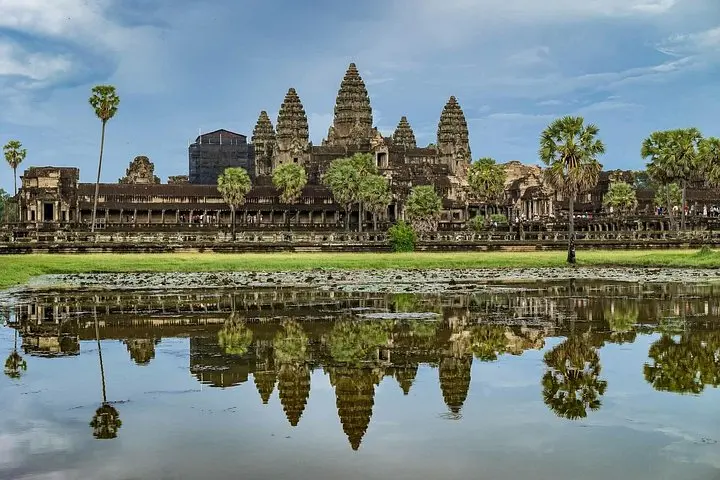
A pale light lifts over Angkor Wat and the reflection in the moat shivers like a promise—this is how the two-day tour begins, with the sun edging through galleries and towers that have watched centuries pass.
Verified experiences and guided adventures in the surrounding area.
Operated by Angkor Visitor · Siem Reap, Siem Reap Province
A pale light lifts over Angkor Wat and the reflection in the moat shivers like a promise—this is how the two-day tour begins, with the sun edging through galleries and towers that have watched centuries pass.
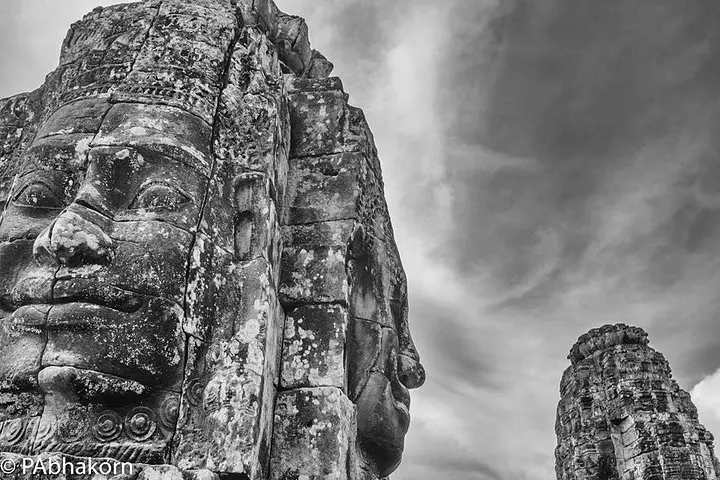
Day one moves through Angkor’s major monuments: the climbing terraces of Ta Keo, the carved faces of the Bayon, the elephant-lined Terrace of the Elephants and the root-entwined corridors of Ta Prohm. The stones bear Khmer inscriptions, Hindu iconography later softened by Buddhist reliefs; geology here is sandstone beds sculpted and stacked by hand, now weathered into a patchwork of lichens and shadow.
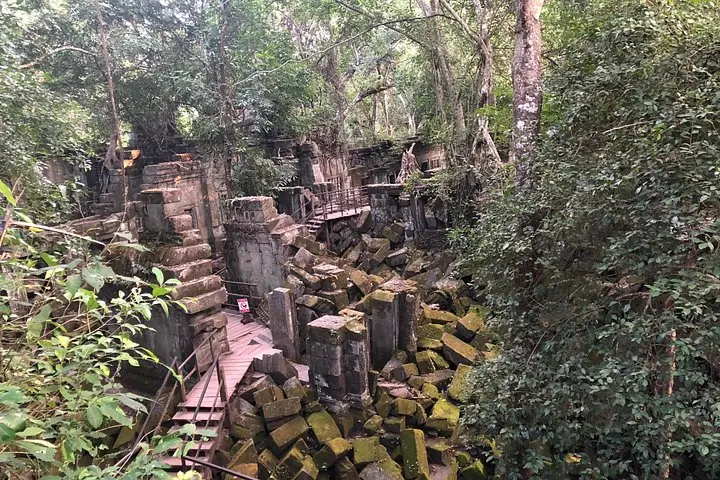
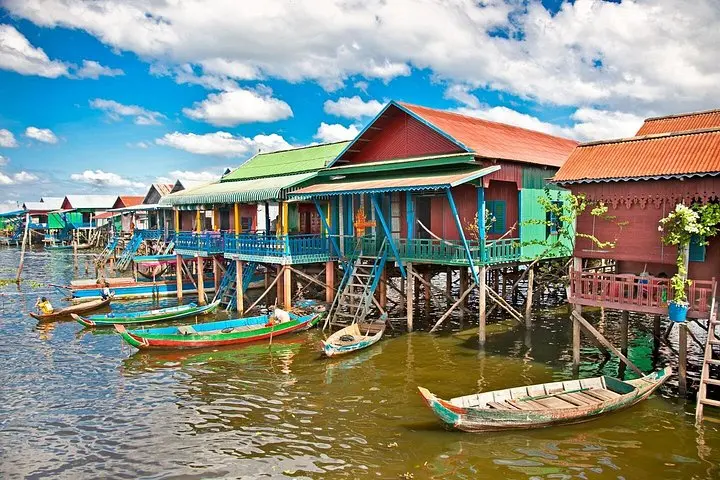
On day two the road opens to Beng Melea, a loosely restored ruin where fallen blocks and low jungle feel less curated and more like an archaeological playground. Afterward the tour crosses to Tonle Sap—Cambodia’s great freshwater heart—and Kampong Phluk, a stilted fishing village where seasonal floods turn fields into canals and boats become front porches.
Practical side: expect extended walking on uneven stone, packed dirt and occasional mud depending on season; mornings are coolest and sun is strongest mid-afternoon. Carry water, a brimmed hat and lightweight rain protection. Wear closed-toe shoes with grip for temple steps and roots. Respect local customs: shoulders and knees should be covered at religious sites and photography rules can vary.
This itinerary blends monumental architecture with living river culture—rigid in its history, fluid in its daily life—and rewards visitors who balance curiosity with sensible preparation.
Angkor Park entry tickets are required separately; the tour typically does not include the park pass—confirm at booking.
Standard itineraries include bottled water and cold towels; meals are usually not included—expect stops at local restaurants or eateries.
Infants are allowed but must sit on laps during transport; the tour involves long days and uneven terrain so assess comfort for young children.
Beng Melea is largely unrestored with rough paths and fallen stones; Kampong Phluk involves boat travel and raised walkways—mobility limitations may make access difficult.
Angkor Visitor operates guided outdoor trips and adventures with an emphasis on safety, stewardship, and memorable experiences.
A pale light lifts over Angkor Wat and the reflection in the moat shivers like a promise—this is how the two-day tour begins, with the sun edging through galleries and towers that have watched centuries pass.
A pale light lifts over Angkor Wat and the reflection in the moat shivers like a promise—this is how the two-day tour begins, with the sun edging through galleries and towers that have watched centuries pass.
Day one moves through Angkor’s major monuments: the climbing terraces of Ta Keo, the carved faces of the Bayon, the elephant-lined Terrace of the Elephants and the root-entwined corridors of Ta Prohm. The stones bear Khmer inscriptions, Hindu iconography later softened by Buddhist reliefs; geology here is sandstone beds sculpted and stacked by hand, now weathered into a patchwork of lichens and shadow.
On day two the road opens to Beng Melea, a loosely restored ruin where fallen blocks and low jungle feel less curated and more like an archaeological playground. Afterward the tour crosses to Tonle Sap—Cambodia’s great freshwater heart—and Kampong Phluk, a stilted fishing village where seasonal floods turn fields into canals and boats become front porches.
Practical side: expect extended walking on uneven stone, packed dirt and occasional mud depending on season; mornings are coolest and sun is strongest mid-afternoon. Carry water, a brimmed hat and lightweight rain protection. Wear closed-toe shoes with grip for temple steps and roots. Respect local customs: shoulders and knees should be covered at religious sites and photography rules can vary.
This itinerary blends monumental architecture with living river culture—rigid in its history, fluid in its daily life—and rewards visitors who balance curiosity with sensible preparation.