THE ADVENTURE COLLECTIVE® · Independent discovery and booking for outdoor travel

Two days of temple exploration and a Tonle Sap boat cruise from Siem Reap: sunrise at Angkor Wat, the rooted drama of Ta Prohm and the floating life of Cambodia’s largest lake. Expect long but manageable days, local culture, and varied terrain.
Two days of temple exploration and a Tonle Sap boat cruise from Siem Reap: sunrise at Angkor Wat, the rooted drama of Ta Prohm and the floating life of Cambodia’s largest lake. Expect long but manageable days, local culture, and varied terrain.
You arrive before dawn, the humid air already carrying the metallic tang of river water while long reflections of Angkor Wat stretch across the temple moat like a slow, breathing mirror.
Verified experiences and guided adventures in the surrounding area.
Operated by Asia Voyage Travel · Siem Reap, Siem Reap Province
You arrive before dawn, the humid air already carrying the metallic tang of river water while long reflections of Angkor Wat stretch across the temple moat like a slow, breathing mirror.
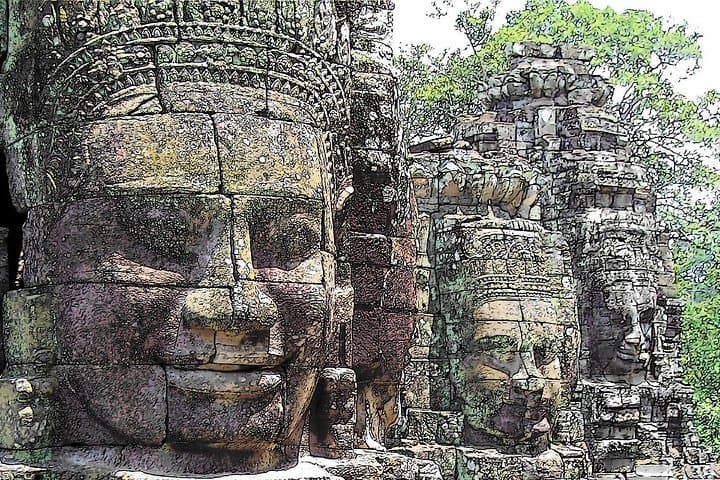
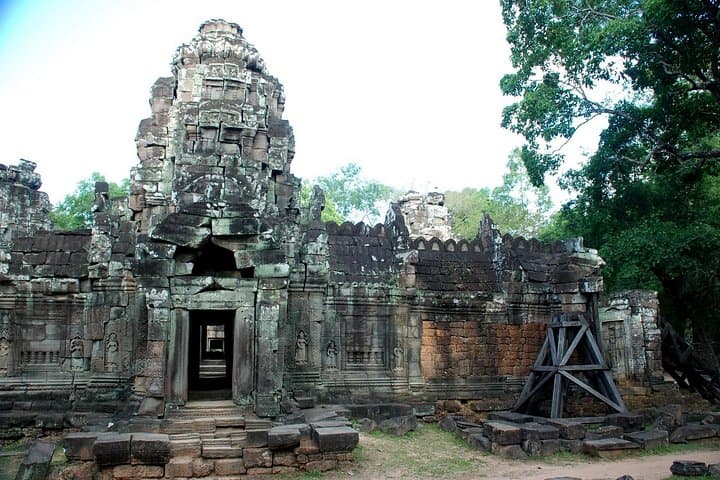
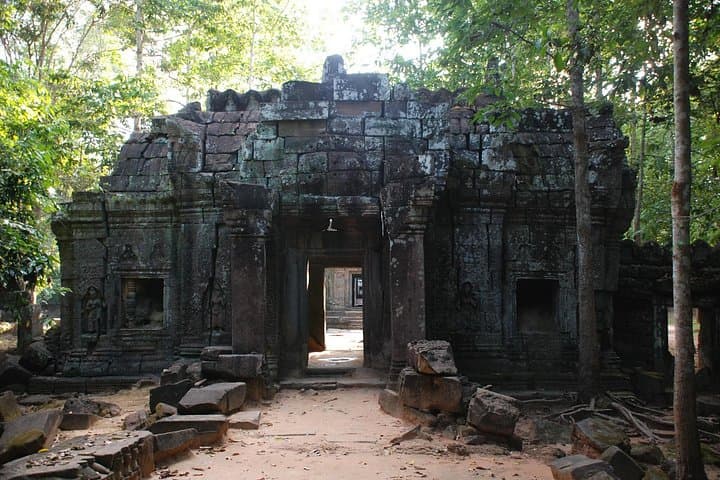
On day one the itinerary moves through Angkor Thom — Bayon’s stone faces watch visitors with carved smiles — past the Terrace of the Elephants and the intimate chambers of Baphuon. Ta Prohm’s roots tug at sandstone, insisting the forest has its own claim. The geology here is primarily Permian and Mesozoic sandstones overlain by later alluvial deposits; builders quarried locally, and the temples’ grey-brown stone darkens in the tropical rains.
Day two begins before sunrise for the classic view over Angkor Wat, then follows quieter monuments: Pre Rup, Banteay Samre and the pink sandstone carvings of Banteay Srei. The tour finishes on Tonle Sap, where the lake’s levels change with the monsoon and floating villages rise and fall like clockwork — both human adaptation and hydrology on display.
Practical guidance: expect long days with a mix of uneven temple steps, shaded walks and sun-exposed courtyards. Carry a refillable water bottle, wear closed-toe shoes for traction, and bring modest attire for sacred sites (shoulders and knees covered). Sunrise is busiest — arrive with warm layers for the early chill and plan hotel transfers around early departures. Cash in local currency is useful in small villages; most entrances require an Angkor Pass that can be purchased at the park entrance.
Yes. Visitors must buy an Angkor Park pass (1-, 3- or 7-day options) at the official ticket center; your guide can advise on the best option for a two-day tour.
Yes — the itinerary includes motorized boat time in the Kompong Pluk area; conditions vary with season and water level.
The tour is private and can be paced, but expect long days and steps; it may not be recommended for those with serious mobility or cardiovascular issues.
Small US dollar bills are widely accepted; have local riel for small purchases. Credit cards work in Siem Reap, but cash is essential in villages.
Asia Voyage Travel operates guided outdoor trips and adventures with an emphasis on safety, stewardship, and memorable experiences.
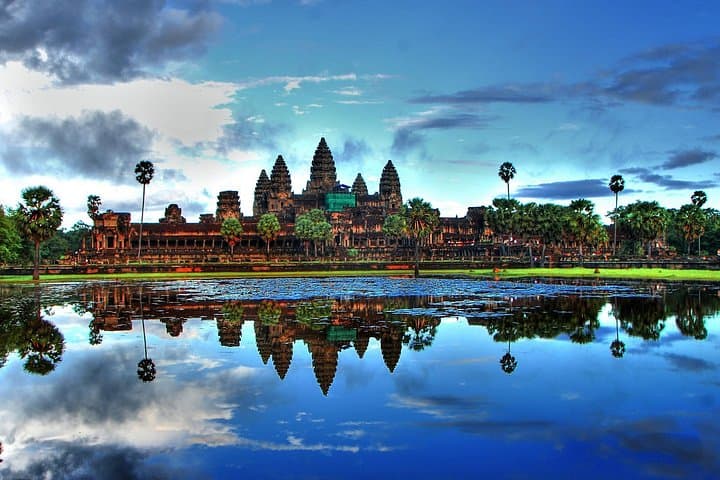
You arrive before dawn, the humid air already carrying the metallic tang of river water while long reflections of Angkor Wat stretch across the temple moat like a slow, breathing mirror.
You arrive before dawn, the humid air already carrying the metallic tang of river water while long reflections of Angkor Wat stretch across the temple moat like a slow, breathing mirror.
On day one the itinerary moves through Angkor Thom — Bayon’s stone faces watch visitors with carved smiles — past the Terrace of the Elephants and the intimate chambers of Baphuon. Ta Prohm’s roots tug at sandstone, insisting the forest has its own claim. The geology here is primarily Permian and Mesozoic sandstones overlain by later alluvial deposits; builders quarried locally, and the temples’ grey-brown stone darkens in the tropical rains.
Day two begins before sunrise for the classic view over Angkor Wat, then follows quieter monuments: Pre Rup, Banteay Samre and the pink sandstone carvings of Banteay Srei. The tour finishes on Tonle Sap, where the lake’s levels change with the monsoon and floating villages rise and fall like clockwork — both human adaptation and hydrology on display.
Practical guidance: expect long days with a mix of uneven temple steps, shaded walks and sun-exposed courtyards. Carry a refillable water bottle, wear closed-toe shoes for traction, and bring modest attire for sacred sites (shoulders and knees covered). Sunrise is busiest — arrive with warm layers for the early chill and plan hotel transfers around early departures. Cash in local currency is useful in small villages; most entrances require an Angkor Pass that can be purchased at the park entrance.