
2-Day Angkor Wat: Small & Big Circuit with Banteay Srei — Sunrise to Sunset Temples
Two days of Angkor’s essential sights: sunrise at Angkor Wat, the intimate roots of Ta Prohm, the carved faces of Bayon and the pink sandstone of Banteay Srei. This guided small-group itinerary balances iconic views with quieter corners of the park.
An Adventure In Siem Reap.
Two days of Angkor’s essential sights: sunrise at Angkor Wat, the intimate roots of Ta Prohm, the carved faces of Bayon and the pink sandstone of Banteay Srei. This guided small-group itinerary balances iconic views with quieter corners of the park.
Read the full experience
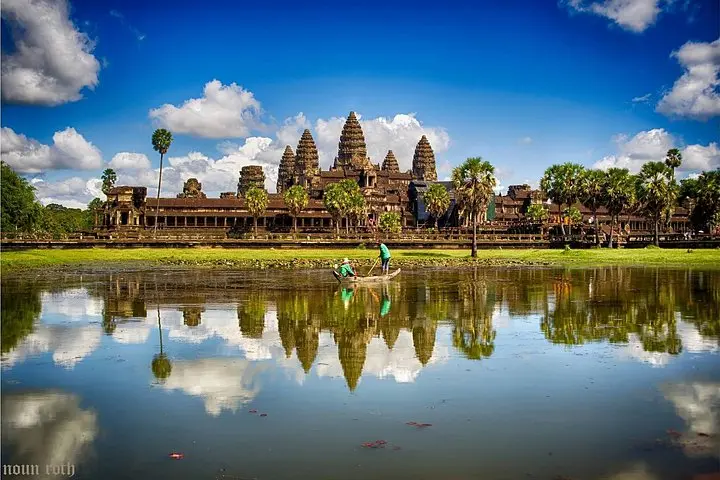
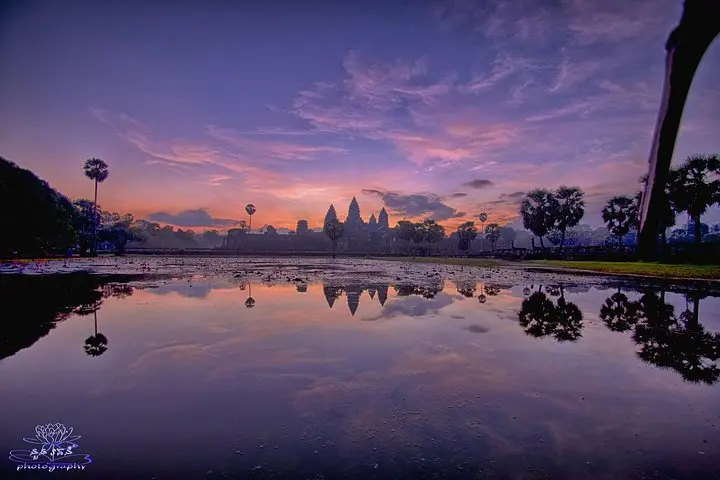
At first light the reflecting pool at Angkor Wat trembles with the first camera shutters — stone galleries outlined against a sky that shifts from indigo to warm gold. The tour moves with that rhythm: an early pickup, the hush of the sunrise at Angkor Wat, and then the slow reveal of courtyards splayed with bas-reliefs as the day warms.
At first light the reflecting pool at Angkor Wat trembles with the first camera shutters — stone galleries outlined against a sky that shifts from indigo to warm gold. The tour moves with that rhythm: an early pickup, the hush of the sunrise at Angkor Wat, and then the slow reveal of courtyards splayed with bas-reliefs as the day warms.
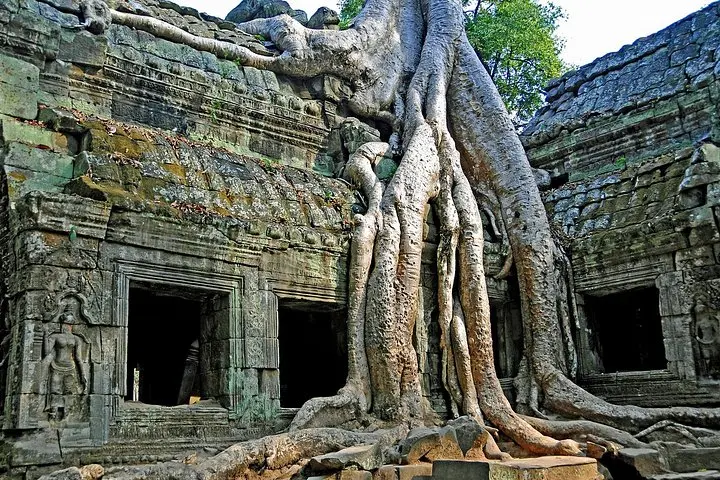
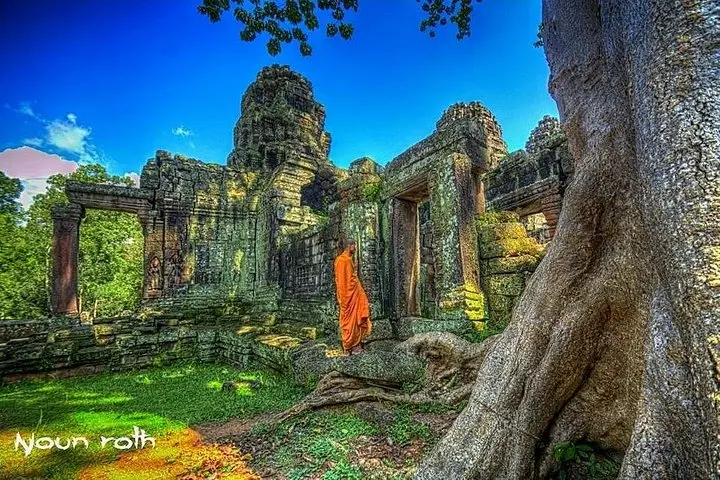
These temples are the work of the Khmer Empire (9th–13th centuries), carved from sandstone and laterite and reworked over centuries as Hindu and Buddhist faiths mixed. Ta Prohm wears roots like a crown; Bayon’s carved faces gaze from tower to tower; Banteay Srei stands apart in pink sandstone, its carving unusually fine. Phnom Bakheng, a low volcanic ridge, offers a close, crowded sunset perch and a sweeping view of the archaeological park.
Practically, the itinerary splits the small circuit and sunset on day one and the big circuit plus Banteay Srei with a sunrise on day two. Guides typically handle Angkor pass logistics; expect hotel pickup, an air-conditioned vehicle between sites, midday breaks for local restaurants, and several short walks and stair climbs. Respectful dress (shoulders and knees covered) is enforced at major temples; carry local currency for food and tips.
Bring steady walking shoes, sun protection, and a refillable water bottle; mosquitos can be present in the mornings and near barays. Pace your photography around the crowds, and allow extra time at iconic sites — the park is large and best taken in with patience and respect.
Frequently asked questions
Passes are purchased at the official ticket center near the park entrance; many guides handle this on day one to avoid queues.
Sunrise at Angkor Wat is best early in the morning for reflections; Phnom Bakheng is a classic sunset spot but can be crowded — arrive early.
Shoulders and knees should be covered for both men and women; avoid revealing clothing and remove hats inside shrines.
Major sites have uneven surfaces and steps; some areas are wheelchair inaccessible, though main exteriors can be viewed from flatter approaches.
About This Experience
Happy Angkor Tour operates guided outdoor trips and adventures with an emphasis on safety, stewardship, and memorable experiences.
Adventure tips
Recommended gear
- Comfortable walking shoes: Stable soles and good grip for uneven temple stones and stairways.
- Sun hat and sunscreen: Intense sun in open courtyards makes sun protection essential for long photo sessions.
- Lightweight long-sleeve shirt and trousers: Protects from sun and mosquitoes while meeting temple dress codes.
- Refillable water bottle and small dry bag: Keeps you hydrated and your valuables dry during sudden showers or dusty walks.
Photos of the experience
Related adventures & guides
Read the full experience
At first light the reflecting pool at Angkor Wat trembles with the first camera shutters — stone galleries outlined against a sky that shifts from indigo to warm gold. The tour moves with that rhythm: an early pickup, the hush of the sunrise at Angkor Wat, and then the slow reveal of courtyards splayed with bas-reliefs as the day warms.
At first light the reflecting pool at Angkor Wat trembles with the first camera shutters — stone galleries outlined against a sky that shifts from indigo to warm gold. The tour moves with that rhythm: an early pickup, the hush of the sunrise at Angkor Wat, and then the slow reveal of courtyards splayed with bas-reliefs as the day warms.
These temples are the work of the Khmer Empire (9th–13th centuries), carved from sandstone and laterite and reworked over centuries as Hindu and Buddhist faiths mixed. Ta Prohm wears roots like a crown; Bayon’s carved faces gaze from tower to tower; Banteay Srei stands apart in pink sandstone, its carving unusually fine. Phnom Bakheng, a low volcanic ridge, offers a close, crowded sunset perch and a sweeping view of the archaeological park.
Practically, the itinerary splits the small circuit and sunset on day one and the big circuit plus Banteay Srei with a sunrise on day two. Guides typically handle Angkor pass logistics; expect hotel pickup, an air-conditioned vehicle between sites, midday breaks for local restaurants, and several short walks and stair climbs. Respectful dress (shoulders and knees covered) is enforced at major temples; carry local currency for food and tips.
Bring steady walking shoes, sun protection, and a refillable water bottle; mosquitos can be present in the mornings and near barays. Pace your photography around the crowds, and allow extra time at iconic sites — the park is large and best taken in with patience and respect.
Make a day of it nearby.
Verified experiences and guided adventures in the surrounding area.