THE ADVENTURE COLLECTIVE® · Independent discovery and booking for outdoor travel

Leave Marrakech at dawn and cross the Atlas into the Draa Valley, visit Ait Ben Haddou and Ouarzazate, then ride camels into a desert camp for dinner under the stars. This two-day route blends geology, film history and Berber hospitality with an accessible overnight in a nomad tent.
Leave Marrakech at dawn and cross the Atlas into the Draa Valley, visit Ait Ben Haddou and Ouarzazate, then ride camels into a desert camp for dinner under the stars. This two-day route blends geology, film history and Berber hospitality with an accessible overnight in a nomad tent.
The minivan peels out of Marrakech at first light and the city’s ochre roofs shrink behind you as the High Atlas rises like a fault in the horizon.
Verified experiences and guided adventures in the surrounding area.
Operated by Art de Cuivre Travel · Zagora, Drâa-Tafilalet
The minivan peels out of Marrakech at first light and the city’s ochre roofs shrink behind you as the High Atlas rises like a fault in the horizon.
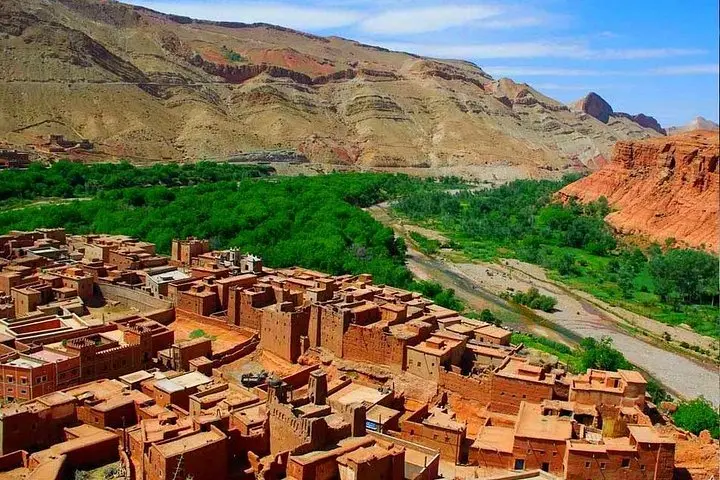
You climb hairpin passes where exposed red and gray rock tells the geologic story of Africa meeting Europe, then descend into the sun-carved corridors of the Draa Valley. Ait Ben Haddou appears as stacked earthen houses clinging to a hill—a living kasbah that dates to trans-Saharan caravan days and later became a backdrop for Hollywood epics.
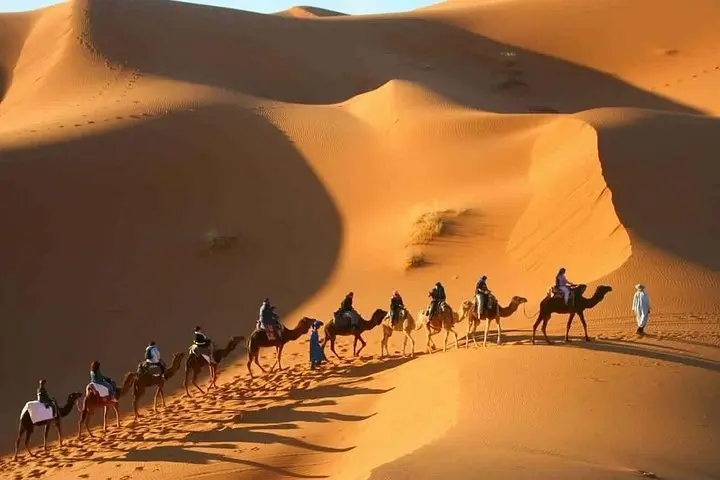
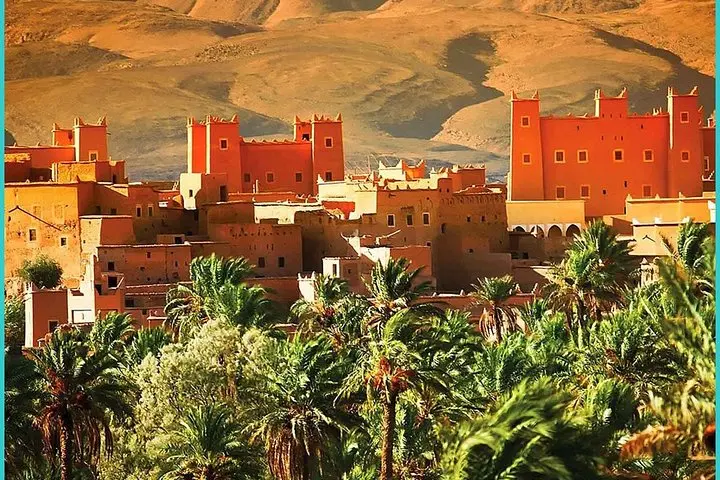
Through Ouarzazate, where film studios sit among arid plains, the route follows palm-lined oases: water forcing green out of a dry spine of land. By afternoon the road opens to sand; camels wait at the trailhead to carry you across rippled dunes toward a Berber camp. At dusk the wind sculpts new ridgelines; the sunset pushes colors across the horizon.
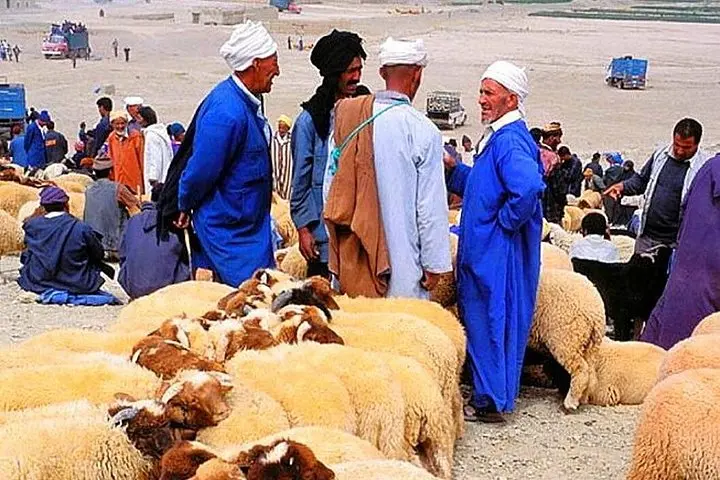
Culturally, expect simple hospitality—tagine dinners around a communal flame and Berber tents that trade luxury for silence and star-lit sky. Geology fans will note the alluvial terraces of the Draa and the wind-formed dunes that record every gust.
Practical notes: travel involves long drives (8+ hours round-trip driving), short walks, and a camel trek. Bring layered clothing for hot days and cold nights, sunscreen and at least 2 liters of water, and small cash for local purchases or the optional Atlas Film Studio entry. If you want a local guide at Ait Ben Haddou, arrange this in advance—the visit is often unguided. For first-time desert travelers this is an accessible, immersive two-day introduction to Morocco’s southern landscapes.
Expect about 6–8 hours of driving each way depending on route and stops: through the High Atlas, Ait Ben Haddou and the Draa Valley toward the Zagora/Agdz area.
Children aged 2 and up may ride but must be accompanied; staff can assist mounting. Inform the operator at booking for special arrangements.
Berber desert camps usually provide mattress bedding, blankets and shared toilet facilities; amenities are simple—confirm specifics when booking.
This tour notes that an Ait Ben Haddou visit guide is not included—consider hiring a local guide at the kasbah if you want detailed history and architecture context.
Art de Cuivre Travel operates guided outdoor trips and adventures with an emphasis on safety, stewardship, and memorable experiences.
The minivan peels out of Marrakech at first light and the city’s ochre roofs shrink behind you as the High Atlas rises like a fault in the horizon.
The minivan peels out of Marrakech at first light and the city’s ochre roofs shrink behind you as the High Atlas rises like a fault in the horizon.
You climb hairpin passes where exposed red and gray rock tells the geologic story of Africa meeting Europe, then descend into the sun-carved corridors of the Draa Valley. Ait Ben Haddou appears as stacked earthen houses clinging to a hill—a living kasbah that dates to trans-Saharan caravan days and later became a backdrop for Hollywood epics.
Through Ouarzazate, where film studios sit among arid plains, the route follows palm-lined oases: water forcing green out of a dry spine of land. By afternoon the road opens to sand; camels wait at the trailhead to carry you across rippled dunes toward a Berber camp. At dusk the wind sculpts new ridgelines; the sunset pushes colors across the horizon.
Culturally, expect simple hospitality—tagine dinners around a communal flame and Berber tents that trade luxury for silence and star-lit sky. Geology fans will note the alluvial terraces of the Draa and the wind-formed dunes that record every gust.
Practical notes: travel involves long drives (8+ hours round-trip driving), short walks, and a camel trek. Bring layered clothing for hot days and cold nights, sunscreen and at least 2 liters of water, and small cash for local purchases or the optional Atlas Film Studio entry. If you want a local guide at Ait Ben Haddou, arrange this in advance—the visit is often unguided. For first-time desert travelers this is an accessible, immersive two-day introduction to Morocco’s southern landscapes.