THE ADVENTURE COLLECTIVE® · Independent discovery and booking for outdoor travel

Two days of high-Atlas walking from Marrakech: climb alpine passes, cross juniper forests, sleep in a Berber guesthouse and return along river-lined valleys. This compact trek delivers panoramic Toubkal views and close cultural encounters with Amazigh villages.
Two days of high-Atlas walking from Marrakech: climb alpine passes, cross juniper forests, sleep in a Berber guesthouse and return along river-lined valleys. This compact trek delivers panoramic Toubkal views and close cultural encounters with Amazigh villages.
Morning light slices the high ridgelines as a minivan eases out of Marrakech and climbs toward the Imlil valley. By mid-morning you’re on a stony track with juniper-scented air, a local guide ahead and a mule carrying the overnight kit; the rhythm of the trail sets a steady, purposeful pace.
Verified experiences and guided adventures in the surrounding area.
Operated by astara tours · Imlil, Marrakech-Safi
Morning light slices the high ridgelines as a minivan eases out of Marrakech and climbs toward the Imlil valley. By mid-morning you’re on a stony track with juniper-scented air, a local guide ahead and a mule carrying the overnight kit; the rhythm of the trail sets a steady, purposeful pace.
This two-day trek threads through the High Atlas foothills beneath North Africa’s highest peaks. Geologically, the range is uplifted metamorphic rock — crags, scree slopes and river-cut gullies — shaped by millennia of erosion. Culturally the route passes small Amazigh (Berber) villages where terraced fields and walnut groves mark subsistence life; expect warm mint tea, simple guesthouse rooms, and stories about seasonal shepherding and ancient mule tracks that once linked valleys.
Day one climbs to Tizi Mzik (approx. 2,684 m) with panoramic views of Toubkal, then drops to the Azzaden Valley and a guesthouse near Tizi Oussem. Day two follows ridgelines to Tizi Oudid (~2,000 m), crosses juniper and walnut groves, and finishes beside a river before the return drive to Marrakech.
Practical notes: pack layered clothing for variable alpine conditions, carry 2–3 liters of water and snacks, and wear sturdy boots for loose scree and steep descents. Altitude change is moderate but steady; a mule is usually available for baggage. Start early to avoid midday heat and to give yourself daylight for narrow passes. Local guides handle route-finding and cultural introductions — tipping and supporting guesthouse meals directly helps the communities that keep these trails alive.
You should be comfortable with full days of hiking on uneven terrain and sustained climbs; regular walkers and moderate fitness levels do well.
The highest pass is around 2,684 m — altitude effects are possible but uncommon on this short itinerary; ascend at a steady pace and stay hydrated.
Overnight is in a local Berber guesthouse with basic rooms and hot meals provided by hosts.
Yes — a mule is provided for luggage so you only need to carry a daypack for essentials.
astara tours operates guided outdoor trips and adventures with an emphasis on safety, stewardship, and memorable experiences.
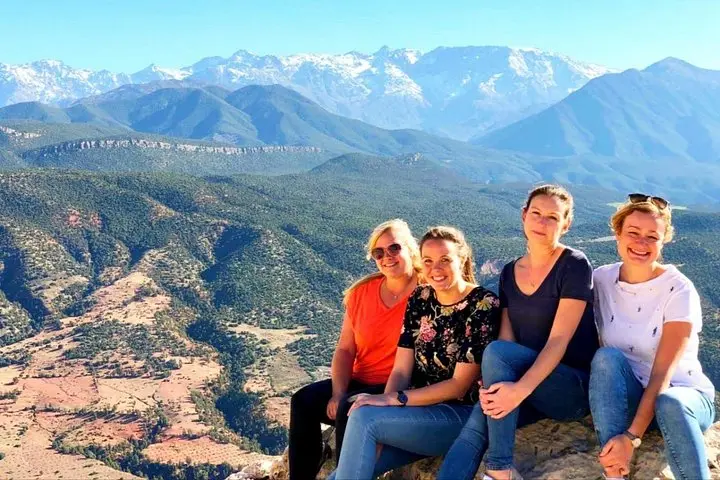
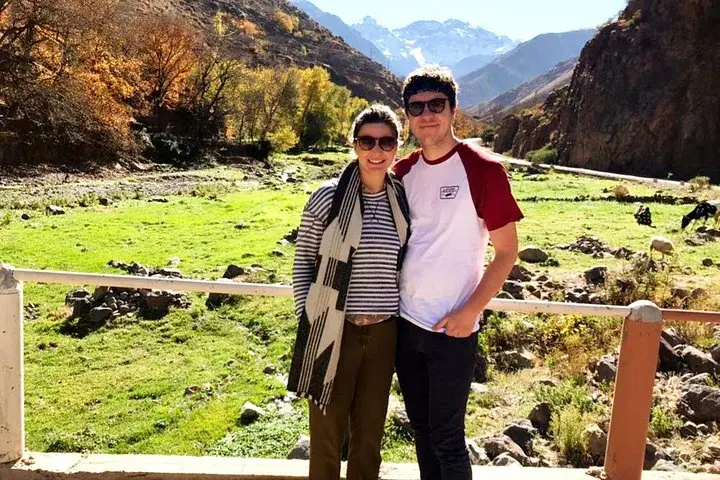
Morning light slices the high ridgelines as a minivan eases out of Marrakech and climbs toward the Imlil valley. By mid-morning you’re on a stony track with juniper-scented air, a local guide ahead and a mule carrying the overnight kit; the rhythm of the trail sets a steady, purposeful pace.
Morning light slices the high ridgelines as a minivan eases out of Marrakech and climbs toward the Imlil valley. By mid-morning you’re on a stony track with juniper-scented air, a local guide ahead and a mule carrying the overnight kit; the rhythm of the trail sets a steady, purposeful pace.
This two-day trek threads through the High Atlas foothills beneath North Africa’s highest peaks. Geologically, the range is uplifted metamorphic rock — crags, scree slopes and river-cut gullies — shaped by millennia of erosion. Culturally the route passes small Amazigh (Berber) villages where terraced fields and walnut groves mark subsistence life; expect warm mint tea, simple guesthouse rooms, and stories about seasonal shepherding and ancient mule tracks that once linked valleys.
Day one climbs to Tizi Mzik (approx. 2,684 m) with panoramic views of Toubkal, then drops to the Azzaden Valley and a guesthouse near Tizi Oussem. Day two follows ridgelines to Tizi Oudid (~2,000 m), crosses juniper and walnut groves, and finishes beside a river before the return drive to Marrakech.
Practical notes: pack layered clothing for variable alpine conditions, carry 2–3 liters of water and snacks, and wear sturdy boots for loose scree and steep descents. Altitude change is moderate but steady; a mule is usually available for baggage. Start early to avoid midday heat and to give yourself daylight for narrow passes. Local guides handle route-finding and cultural introductions — tipping and supporting guesthouse meals directly helps the communities that keep these trails alive.