THE ADVENTURE COLLECTIVE® · Independent discovery and booking for outdoor travel

A short overnight escape from Hanoi to one of Southeast Asia’s most dramatic border waterfalls. This 2‑day trip mixes long coach travel with easy walks to viewpoints, a limestone cave, and a unique natural arch called Angle’s Eye.
A short overnight escape from Hanoi to one of Southeast Asia’s most dramatic border waterfalls. This 2‑day trip mixes long coach travel with easy walks to viewpoints, a limestone cave, and a unique natural arch called Angle’s Eye.
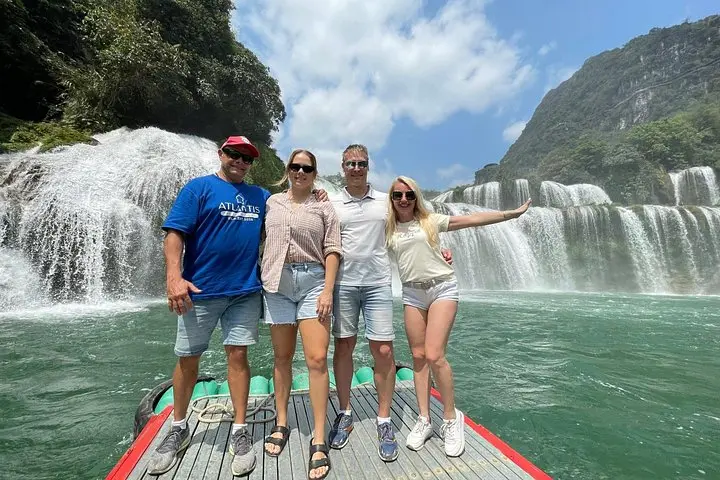
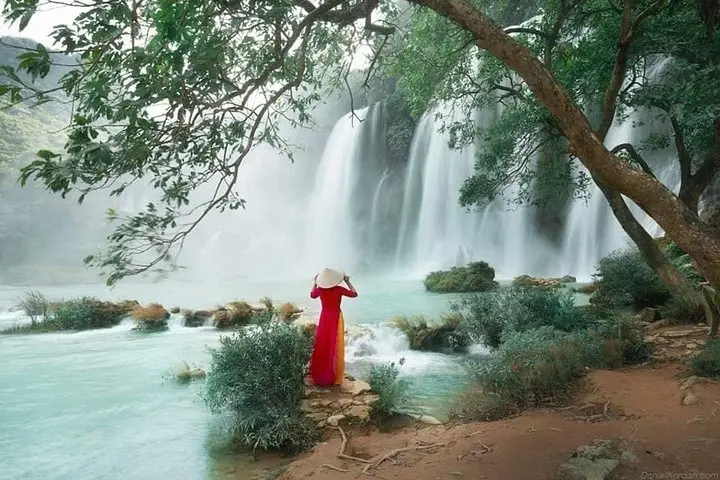
A morning bus eases out of Hanoi and the lowlands flatten into a mosaic of rice paddies and limestone ridges. By midday the road climbs; peaks and karst scarps press close, and Ban Gioc Waterfall appears—a broad, tiered curtain of water rushing along the Vietnam–China border, the spray daring you to move closer.
Verified experiences and guided adventures in the surrounding area.
Operated by Lisa Vietnam Travel · Trung Khanh, Cao Bang
A morning bus eases out of Hanoi and the lowlands flatten into a mosaic of rice paddies and limestone ridges. By midday the road climbs; peaks and karst scarps press close, and Ban Gioc Waterfall appears—a broad, tiered curtain of water rushing along the Vietnam–China border, the spray daring you to move closer.
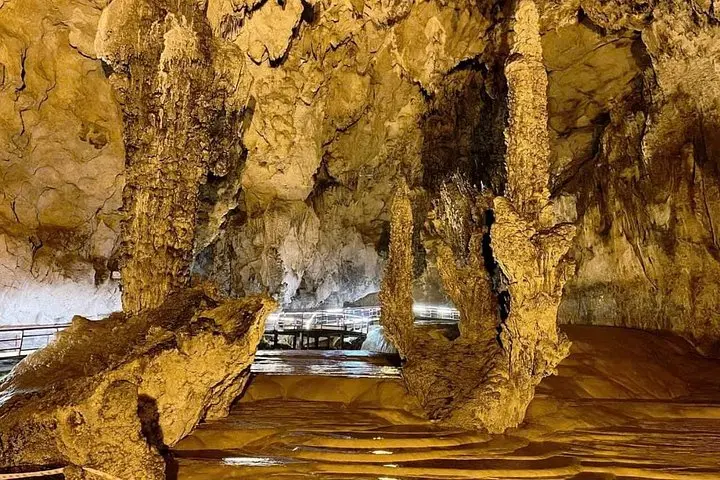
The falls sit on a faulted marble bed where the Quay Son River steps down through multiple drops. Locals from Tay and Nung communities have long lived here; pagodas and riverside stilt houses speak to river-based livelihoods and cross-border ties. Nguom Ngao (Tiger Cave) nearby houses stalactite chambers carved over millennia, each drip recording slow geological time. Angle’s Eye Mountain offers a different rhythm: a natural aperture in limestone framing the valley like a lens.
Practically, expect long coach transfers—roughly 5–6 hours each way from Hanoi (about 335 km)—with light walking to viewpoints and cave passages. Boat rides under the falls are available for a small fee and are weather-dependent; guides can arrange them locally. Accommodation on this trip is basic (2-star), and meals focus on regional flavors—mountain greens, freshwater fish, and sticky rice.
Pack a waterproof layer, sturdy shoes for uneven trails, sun protection, and small cash for local operators. Visit in shoulder seasons (spring or autumn) for stable weather and vivid water flow; monsoon months swell the falls but make trails slippery. Move deliberately here: the landscape is dramatic but fragile, and simple preparations make the experience smoother and more memorable.
Ban Gioc is roughly 335 km from Hanoi, and the coach transfer on this itinerary typically takes about 5–6 hours each way depending on traffic and stops.
Boat rides are usually optional and self-paid; they are arranged locally and fees vary by operator and water level.
No—this tour is rated easy: most activity involves short walks to viewpoints and the cave, with the main exertion being the long bus transfers.
Shoulder seasons—spring (March–May) and fall (September–November)—offer a balance of reliable weather and attractive water flow; summer brings larger flows but more rain.
Lisa Vietnam Travel operates guided outdoor trips and adventures with an emphasis on safety, stewardship, and memorable experiences.

A morning bus eases out of Hanoi and the lowlands flatten into a mosaic of rice paddies and limestone ridges. By midday the road climbs; peaks and karst scarps press close, and Ban Gioc Waterfall appears—a broad, tiered curtain of water rushing along the Vietnam–China border, the spray daring you to move closer.
A morning bus eases out of Hanoi and the lowlands flatten into a mosaic of rice paddies and limestone ridges. By midday the road climbs; peaks and karst scarps press close, and Ban Gioc Waterfall appears—a broad, tiered curtain of water rushing along the Vietnam–China border, the spray daring you to move closer.
The falls sit on a faulted marble bed where the Quay Son River steps down through multiple drops. Locals from Tay and Nung communities have long lived here; pagodas and riverside stilt houses speak to river-based livelihoods and cross-border ties. Nguom Ngao (Tiger Cave) nearby houses stalactite chambers carved over millennia, each drip recording slow geological time. Angle’s Eye Mountain offers a different rhythm: a natural aperture in limestone framing the valley like a lens.
Practically, expect long coach transfers—roughly 5–6 hours each way from Hanoi (about 335 km)—with light walking to viewpoints and cave passages. Boat rides under the falls are available for a small fee and are weather-dependent; guides can arrange them locally. Accommodation on this trip is basic (2-star), and meals focus on regional flavors—mountain greens, freshwater fish, and sticky rice.
Pack a waterproof layer, sturdy shoes for uneven trails, sun protection, and small cash for local operators. Visit in shoulder seasons (spring or autumn) for stable weather and vivid water flow; monsoon months swell the falls but make trails slippery. Move deliberately here: the landscape is dramatic but fragile, and simple preparations make the experience smoother and more memorable.