THE ADVENTURE COLLECTIVE® · Independent discovery and booking for outdoor travel

Two days through the Canadian Rockies delivers turquoise lakes, narrow canyons and a summit gondola—all with guided logistics and seasonal swaps like Marble Canyon icewalks. Read on for what to expect, when to go, and how to pack.
Two days through the Canadian Rockies delivers turquoise lakes, narrow canyons and a summit gondola—all with guided logistics and seasonal swaps like Marble Canyon icewalks. Read on for what to expect, when to go, and how to pack.
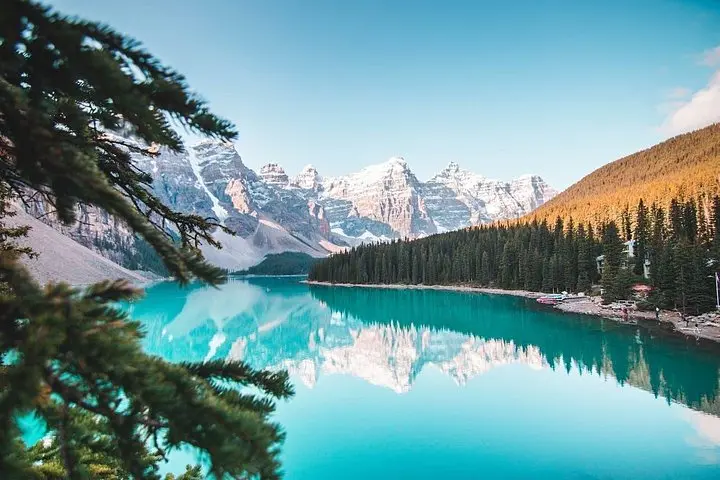
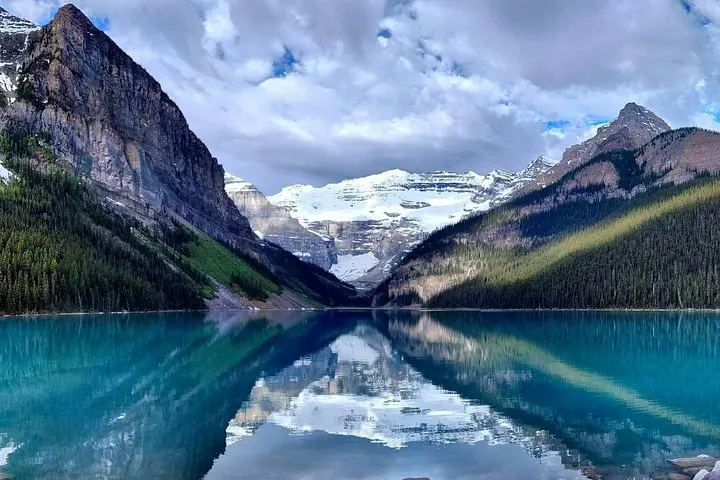
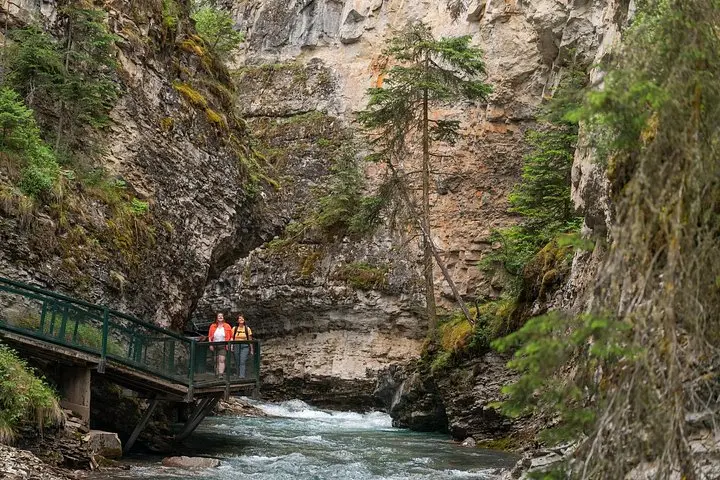
The bus eases over the Continental Divide as dawn breaks and the Rockies press in—gray summits streaked with the last snow, a thin ribbon of highway carving through spruce and lodgepole pine. By midmorning you’re standing on moraine-strewn shorelines where Lake Louise’s color flares turquoise under a clean alpine sun, and later the valley narrows into the cathedral walls of Johnston Canyon where waterfalls dare you to come closer.
Verified experiences and guided adventures in the surrounding area.
Operated by Banff ToDo · Banff, Alberta
The bus eases over the Continental Divide as dawn breaks and the Rockies press in—gray summits streaked with the last snow, a thin ribbon of highway carving through spruce and lodgepole pine. By midmorning you’re standing on moraine-strewn shorelines where Lake Louise’s color flares turquoise under a clean alpine sun, and later the valley narrows into the cathedral walls of Johnston Canyon where waterfalls dare you to come closer.
This two-day circuit stitches together the Canadian Rockies’ most recognizable geology and human stories. The lakes are glacial bowls—fed by melt and powdered rock that refracts light, producing those electric greens and blues. Yoho National Park’s Natural Bridge and Emerald Lake show the Kicking Horse River’s sculpting power; Marble Canyon’s narrow chutes are carved into limestone by Tokumm Creek. The area sits on traditional Stoney Nakoda territory and later became central to Canada’s early national park movement after the late-19th-century railway opened access and the federal government moved to preserve these landscapes.
Culture here moves at two speeds: the big-picture grandeur—Fairmont Chateau stretching like a watchful guest by Lake Louise—and the grounded local rhythm of Banff Avenue, where outfitters swap trail tips and guides touch on glacial history, mountain safety and wildlife etiquette. Cave and Basin marks the birthplace of Canada’s national parks, and the Banff Gondola’s ascent presents a practical lesson in relief: from valley to summit in minutes, the landscape rearranges itself into stacked ridgelines and alpine meadows.
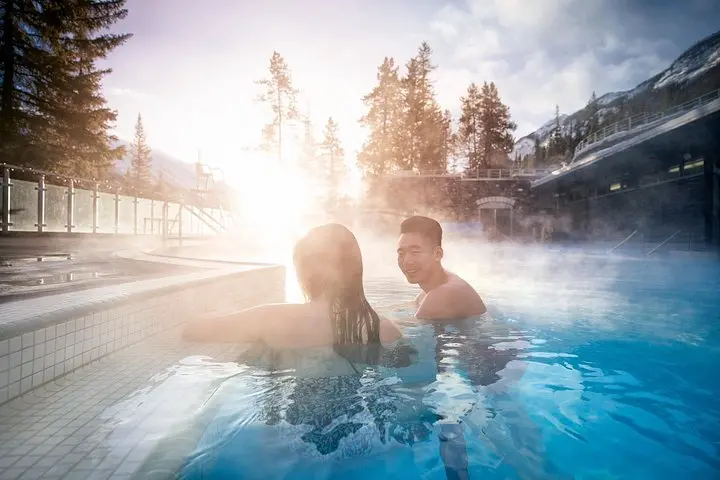
Practical guidance: plan for early starts—Moraine Lake access is limited June through October and crowds build fast; parking is controlled. If you travel in winter, sections swap to Marble Canyon and an icewalk with provided crampons; bring sturdy, insulated boots. Banff Gondola and Upper Hot Springs are optional—book gondola tickets in advance in summer. Johnston Canyon is a mostly easy walk with some stairs and icy patches in shoulder seasons; allow 1–2 hours for the typical Lower + Upper Falls loop.
Footwear, layers and hydration are non-negotiable. Weather swings quickly above 1,300–1,600 meters of elevation: a sunlit morning can flip to wind and rain by afternoon. Guides will pace the itinerary to match conditions, but be prepared for long days—expect 8–10 hours of sightseeing across both days with short hikes interspersed. Bring a camera with a polarizer to cut glare on the lakes, and keep a respectful distance from wildlife—the mountains are home to elk, bighorn, and grizzly country.
In short, this tour is a concentrated primer on why the Rockies draw repeat visitors: dramatic geology, accessible hikes, and enough local history to give context to every vista.
No—Banff Gondola and Upper Hot Springs tickets are optional and typically purchased separately; tours may offer Cave and Basin as an alternative during seasonal closures.
No—Moraine Lake road access is seasonal (open generally June 1–Oct 13) and parking/admission is managed at peak times; in winter Marble Canyon is visited instead.
Lunches are typically at your own expense; the itinerary includes time for a meal in Lake Louise Village or Banff town.
Yes—it's rated easy to moderate; participants should be able to walk short distances on uneven surfaces and manage stairs.
Expect elk, mule deer, and possibly bighorn sheep; keep distance, never feed wildlife, and follow guide instructions for safety.
Full refund available if you cancel at least 24 hours before departure; weather and attraction closures may alter the itinerary.
Banff ToDo operates guided outdoor trips and adventures with an emphasis on safety, stewardship, and memorable experiences.
The bus eases over the Continental Divide as dawn breaks and the Rockies press in—gray summits streaked with the last snow, a thin ribbon of highway carving through spruce and lodgepole pine. By midmorning you’re standing on moraine-strewn shorelines where Lake Louise’s color flares turquoise under a clean alpine sun, and later the valley narrows into the cathedral walls of Johnston Canyon where waterfalls dare you to come closer.
The bus eases over the Continental Divide as dawn breaks and the Rockies press in—gray summits streaked with the last snow, a thin ribbon of highway carving through spruce and lodgepole pine. By midmorning you’re standing on moraine-strewn shorelines where Lake Louise’s color flares turquoise under a clean alpine sun, and later the valley narrows into the cathedral walls of Johnston Canyon where waterfalls dare you to come closer.
This two-day circuit stitches together the Canadian Rockies’ most recognizable geology and human stories. The lakes are glacial bowls—fed by melt and powdered rock that refracts light, producing those electric greens and blues. Yoho National Park’s Natural Bridge and Emerald Lake show the Kicking Horse River’s sculpting power; Marble Canyon’s narrow chutes are carved into limestone by Tokumm Creek. The area sits on traditional Stoney Nakoda territory and later became central to Canada’s early national park movement after the late-19th-century railway opened access and the federal government moved to preserve these landscapes.
Culture here moves at two speeds: the big-picture grandeur—Fairmont Chateau stretching like a watchful guest by Lake Louise—and the grounded local rhythm of Banff Avenue, where outfitters swap trail tips and guides touch on glacial history, mountain safety and wildlife etiquette. Cave and Basin marks the birthplace of Canada’s national parks, and the Banff Gondola’s ascent presents a practical lesson in relief: from valley to summit in minutes, the landscape rearranges itself into stacked ridgelines and alpine meadows.
Practical guidance: plan for early starts—Moraine Lake access is limited June through October and crowds build fast; parking is controlled. If you travel in winter, sections swap to Marble Canyon and an icewalk with provided crampons; bring sturdy, insulated boots. Banff Gondola and Upper Hot Springs are optional—book gondola tickets in advance in summer. Johnston Canyon is a mostly easy walk with some stairs and icy patches in shoulder seasons; allow 1–2 hours for the typical Lower + Upper Falls loop.
Footwear, layers and hydration are non-negotiable. Weather swings quickly above 1,300–1,600 meters of elevation: a sunlit morning can flip to wind and rain by afternoon. Guides will pace the itinerary to match conditions, but be prepared for long days—expect 8–10 hours of sightseeing across both days with short hikes interspersed. Bring a camera with a polarizer to cut glare on the lakes, and keep a respectful distance from wildlife—the mountains are home to elk, bighorn, and grizzly country.
In short, this tour is a concentrated primer on why the Rockies draw repeat visitors: dramatic geology, accessible hikes, and enough local history to give context to every vista.