THE ADVENTURE COLLECTIVE® · Independent discovery and booking for outdoor travel

Escape Marrakech for two days of mule tracks, juniper forest and terraced Berber villages. This guided trek across Tizi M'zzik and down the Azzaden Valley blends sustained climbs with river lunches and a guesthouse night in Tizi Oussem.
Escape Marrakech for two days of mule tracks, juniper forest and terraced Berber villages. This guided trek across Tizi M'zzik and down the Azzaden Valley blends sustained climbs with river lunches and a guesthouse night in Tizi Oussem.
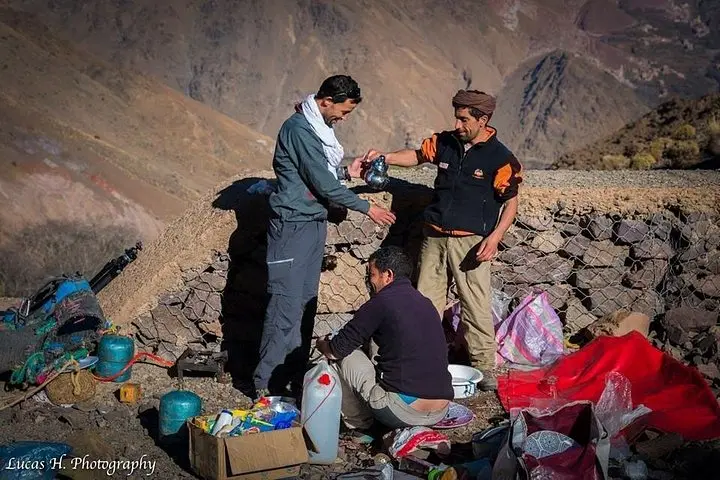
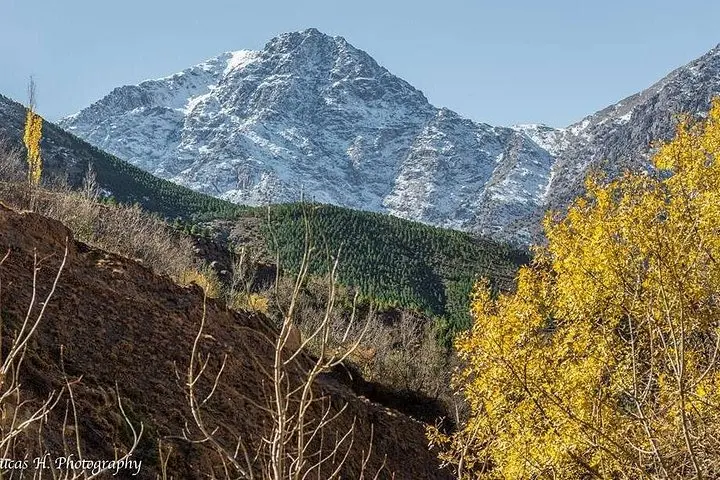
You step out of Marrakech's dust and color into a different rhythm: the road climbs, villages tighten around mule tracks and the air cools as you reach Imlil. Juniper-scented slopes open to a saddle at Tizi M'zzik where the massif pushes the sky back—views sweep across the Imlil valley toward Toubkal's ridgeline. Down the other side, terraces and walnut groves lead to the river and a night in a stone guesthouse in Tizi Oussem.
Verified experiences and guided adventures in the surrounding area.
Operated by Toubkal Experience · Imlil, Marrakesh-Safi
You step out of Marrakech's dust and color into a different rhythm: the road climbs, villages tighten around mule tracks and the air cools as you reach Imlil. Juniper-scented slopes open to a saddle at Tizi M'zzik where the massif pushes the sky back—views sweep across the Imlil valley toward Toubkal's ridgeline. Down the other side, terraces and walnut groves lead to the river and a night in a stone guesthouse in Tizi Oussem.
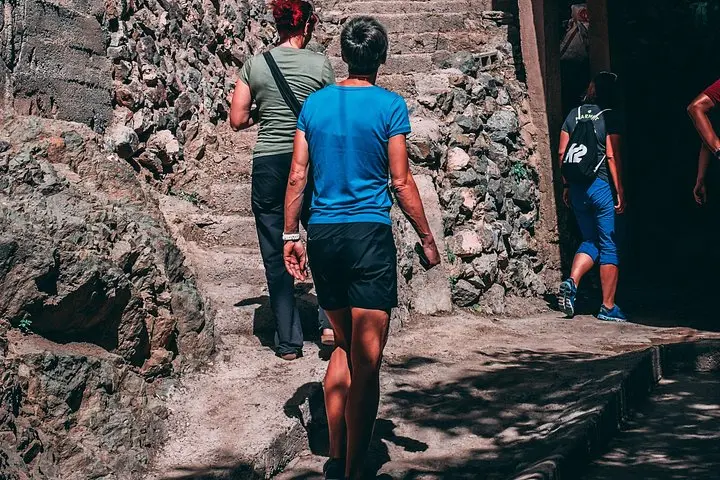
This route threads traditional Berber villages carved into the western High Atlas. The valley agriculture relies on ancient irrigation and terraced plots; local culture centers on seasonal grazing, orchard crops and mule transport. Geologically the High Atlas is an uplifted range formed by the collision of tectonic plates—expect schist, limestone beds and angular scree on higher approaches. Villages are lived-in places: you’ll see mule trains, stone barns and terraced fields that date back generations.
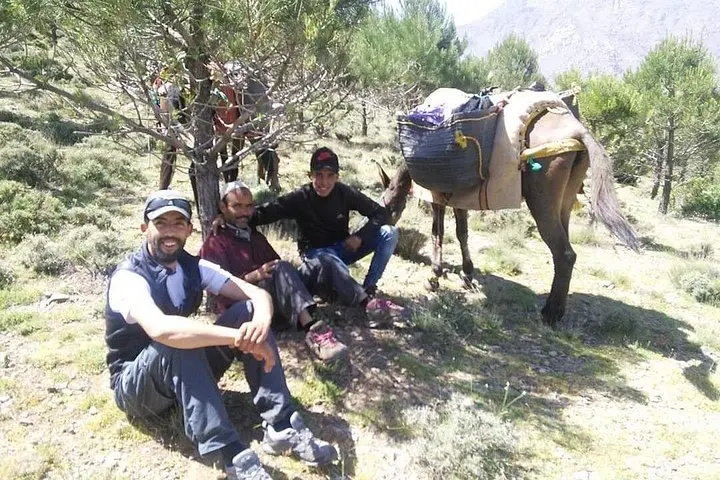
Practically, the trek is a two-day, guided mountain walk: Day 1 climbs from ~1,740 m (Imlil) to Tizi M'zzik (~2,684 m) with roughly 900–1,000 m cumulative ascent and about 6 hours on trail; Day 2 drops through the Azzaden valley, crosses Tizi Oudid (~2,000 m) and returns to Marrakech after ~5 hours of walking. Terrain is mixed: beaten mule paths, rocky switchbacks and forested descents. Pack sturdy boots, layered clothing for temperature swings, sun protection and 2–3 L of water. Mules carry luggage, guesthouse bedding is provided, and a local guide handles route-finding—no technical climbing skills required, but be ready for sustained uphill and altitude changes.
Day 1 includes the biggest climb (roughly 900–1,000 m cumulative ascent to Tizi M'zzik) on well-used mule tracks—physically demanding but non-technical; Day 2 has gentler climbs and long descents.
No technical experience is needed; guided route-finding and mules for luggage make it accessible, but you should be comfortable with multi-hour uphill walking.
You’ll stay in a family-run guesthouse in Tizi Oussem—simple rooms with communal meals and hot tea; bedding is provided but facilities are modest.
The operator describes the trek as accessible to various fitness levels, but children and anyone with limited mobility should assess uphill sections and altitude exposure; mules cannot carry people.
Toubkal Experience operates guided outdoor trips and adventures with an emphasis on safety, stewardship, and memorable experiences.
You step out of Marrakech's dust and color into a different rhythm: the road climbs, villages tighten around mule tracks and the air cools as you reach Imlil. Juniper-scented slopes open to a saddle at Tizi M'zzik where the massif pushes the sky back—views sweep across the Imlil valley toward Toubkal's ridgeline. Down the other side, terraces and walnut groves lead to the river and a night in a stone guesthouse in Tizi Oussem.
You step out of Marrakech's dust and color into a different rhythm: the road climbs, villages tighten around mule tracks and the air cools as you reach Imlil. Juniper-scented slopes open to a saddle at Tizi M'zzik where the massif pushes the sky back—views sweep across the Imlil valley toward Toubkal's ridgeline. Down the other side, terraces and walnut groves lead to the river and a night in a stone guesthouse in Tizi Oussem.
This route threads traditional Berber villages carved into the western High Atlas. The valley agriculture relies on ancient irrigation and terraced plots; local culture centers on seasonal grazing, orchard crops and mule transport. Geologically the High Atlas is an uplifted range formed by the collision of tectonic plates—expect schist, limestone beds and angular scree on higher approaches. Villages are lived-in places: you’ll see mule trains, stone barns and terraced fields that date back generations.
Practically, the trek is a two-day, guided mountain walk: Day 1 climbs from ~1,740 m (Imlil) to Tizi M'zzik (~2,684 m) with roughly 900–1,000 m cumulative ascent and about 6 hours on trail; Day 2 drops through the Azzaden valley, crosses Tizi Oudid (~2,000 m) and returns to Marrakech after ~5 hours of walking. Terrain is mixed: beaten mule paths, rocky switchbacks and forested descents. Pack sturdy boots, layered clothing for temperature swings, sun protection and 2–3 L of water. Mules carry luggage, guesthouse bedding is provided, and a local guide handles route-finding—no technical climbing skills required, but be ready for sustained uphill and altitude changes.