THE ADVENTURE COLLECTIVE® · Independent discovery and booking for outdoor travel

Two days of high-value safari: Tarangire’s baobab-dotted plains and the wildlife-packed Ngorongoro Crater. Expect reliable elephant encounters, steep crater rims, and practical advice for a budget camping experience.
Two days of high-value safari: Tarangire’s baobab-dotted plains and the wildlife-packed Ngorongoro Crater. Expect reliable elephant encounters, steep crater rims, and practical advice for a budget camping experience.
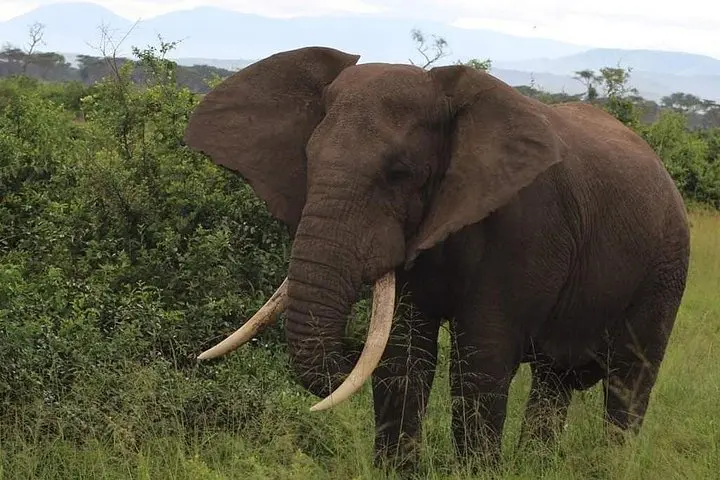
Dawn slides across dusty plains as a Land Cruiser threads between baobab silhouettes—Tarangire’s elephants move like slow weather, rearranging the horizon. On day one you follow game tracks through parkland punctuated by acacia and the chunky trunks of baobabs; on day two the world narrows and opens again into the Ngorongoro Crater, a vast volcanic bowl where herds gather like a moving map.
Verified experiences and guided adventures in the surrounding area.
Operated by Budget Safaris Tanzania · Arusha, Arusha Region
Dawn slides across dusty plains as a Land Cruiser threads between baobab silhouettes—Tarangire’s elephants move like slow weather, rearranging the horizon. On day one you follow game tracks through parkland punctuated by acacia and the chunky trunks of baobabs; on day two the world narrows and opens again into the Ngorongoro Crater, a vast volcanic bowl where herds gather like a moving map.
Tarangire is famed for its high elephant density and open, grassy spaces that make sightings reliable; the sparse vegetation and scattered baobabs shape long sightlines and dramatic photos. Geologically, Ngorongoro is the largest unbroken volcanic caldera on Earth—its steep rims trap water and game on the floor, creating concentrated wildlife viewing. Culturally, the Maasai pastoralists have grazed the highlands for generations, their presence woven into the conservation landscape and local economy.
Practically, expect long but manageable drives: roughly two hours from Arusha to Tarangire, full-day game drives with picnic lunches, then an early transfer to Ngorongoro for a half- to full-day inside the crater. Accommodation on a budget camping safari alternates simple camp or basic lodge facilities; park fees and a professional driver-guide are typically included. Prepare for dust, strong sun, and sudden temperature swings on the crater rim—layers, a brimmed hat, and plenty of water matter more than ultralight gear. Bring binoculars and a telephoto-capable camera; keep to vehicle-based viewing rules, respect distance from animals, and budget time for slow, deliberate wildlife moments rather than checklist rushing.
Yes—this itinerary specifies that all park fees are included in the package price.
No—this budget camping safari is suitable for travelers of most fitness levels; guides handle logistics and wildlife viewing.
Malaria risk exists in northern Tanzania—consult a travel clinic for up-to-date advice and consider prophylaxis and insect protection.
Tipping is customary in Tanzania; bring cash in small denominations and tip according to service level and group arrangements.
Budget Safaris Tanzania operates guided outdoor trips and adventures with an emphasis on safety, stewardship, and memorable experiences.
Dawn slides across dusty plains as a Land Cruiser threads between baobab silhouettes—Tarangire’s elephants move like slow weather, rearranging the horizon. On day one you follow game tracks through parkland punctuated by acacia and the chunky trunks of baobabs; on day two the world narrows and opens again into the Ngorongoro Crater, a vast volcanic bowl where herds gather like a moving map.
Dawn slides across dusty plains as a Land Cruiser threads between baobab silhouettes—Tarangire’s elephants move like slow weather, rearranging the horizon. On day one you follow game tracks through parkland punctuated by acacia and the chunky trunks of baobabs; on day two the world narrows and opens again into the Ngorongoro Crater, a vast volcanic bowl where herds gather like a moving map.
Tarangire is famed for its high elephant density and open, grassy spaces that make sightings reliable; the sparse vegetation and scattered baobabs shape long sightlines and dramatic photos. Geologically, Ngorongoro is the largest unbroken volcanic caldera on Earth—its steep rims trap water and game on the floor, creating concentrated wildlife viewing. Culturally, the Maasai pastoralists have grazed the highlands for generations, their presence woven into the conservation landscape and local economy.
Practically, expect long but manageable drives: roughly two hours from Arusha to Tarangire, full-day game drives with picnic lunches, then an early transfer to Ngorongoro for a half- to full-day inside the crater. Accommodation on a budget camping safari alternates simple camp or basic lodge facilities; park fees and a professional driver-guide are typically included. Prepare for dust, strong sun, and sudden temperature swings on the crater rim—layers, a brimmed hat, and plenty of water matter more than ultralight gear. Bring binoculars and a telephoto-capable camera; keep to vehicle-based viewing rules, respect distance from animals, and budget time for slow, deliberate wildlife moments rather than checklist rushing.