THE ADVENTURE COLLECTIVE® · Independent discovery and booking for outdoor travel

Two days of budget camping that pack Tarangire’s elephant-rich plains and the dense wildlife of Ngorongoro Crater into a compact itinerary. Ideal for travelers seeking high-value game viewing from a basic campsite base.
Two days of budget camping that pack Tarangire’s elephant-rich plains and the dense wildlife of Ngorongoro Crater into a compact itinerary. Ideal for travelers seeking high-value game viewing from a basic campsite base.
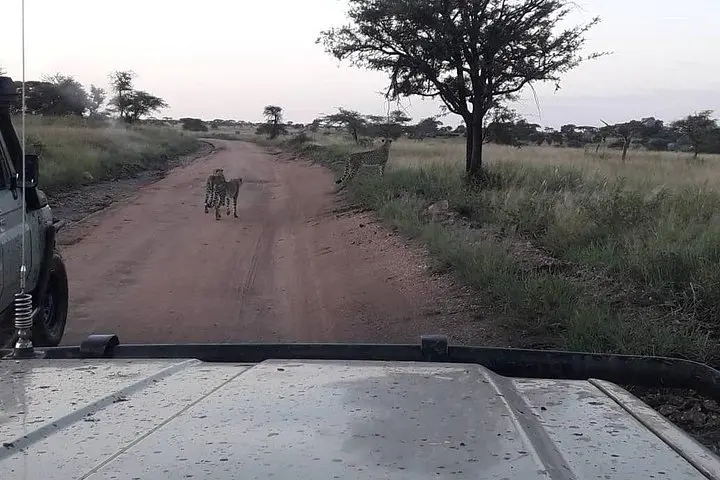
Morning dust lifts off the lodges of Arusha as a 4x4 threads toward Tarangire, the road scoring the landscape with distant baobabs that watch for passing herds.
Verified experiences and guided adventures in the surrounding area.
Operated by Avocet Tanzania Safaris · Arusha, Arusha Region
Morning dust lifts off the lodges of Arusha as a 4x4 threads toward Tarangire, the road scoring the landscape with distant baobabs that watch for passing herds.
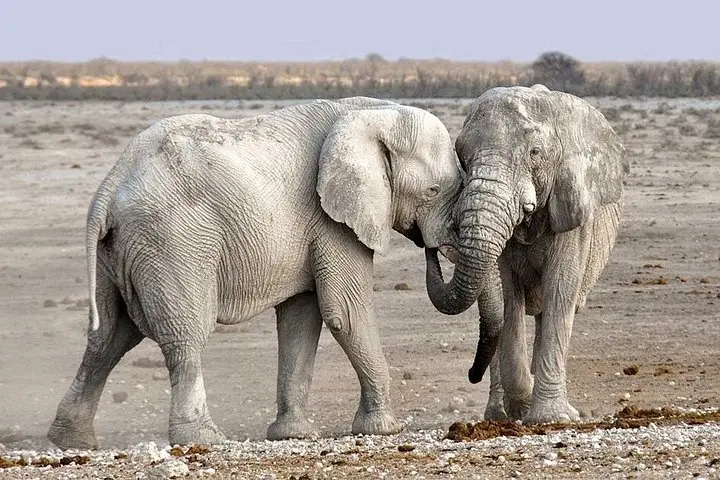
The first day is a classic East African introduction: wide plains laced with the Tarangire River, family groups of elephants moving like slow storms, and a late pull-up at Kizumba Campsite where canvas and campfire replace hotel polish. On day two you climb toward the Ngorongoro rim and then descend roughly 600–800 meters into the crater — a compact, high-density ecosystem where lions, grazing wildebeest and foraging buffalo share the same bowl of land.
Geology here is blunt and readable. Ngorongoro is a collapsed volcanic caldera, its rim carved by eons of erosion and volcanic history; Tarangire’s floodplain responds to seasonal rains, concentrating wildlife along its river. Culturally, the route threads Maasai regions where pastoral life continues beside protected lands; local guides often explain how livestock, land use and conservation intersect.
Practical edge: expect long but rewarding drives (2–4 hours between parks), basic camping amenities, and game drives from an open-roof 4x4. Bring layered clothing for cool crater mornings and sun protection for midday waits. Hydrate, carry cash for park fees or market purchases, and follow guide briefings closely — wildlife encounters are thrilling but require respect and distance.
This itinerary is budget-focused, prioritizing shared camping, stacked game drives and straightforward logistics for travelers who want maximum wildlife viewing in minimal time.
Expect about 2–3 hours by 4x4 depending on traffic and road conditions; game stops can extend travel time.
No prior camping experience is required; the tour provides camping gear and guide support for setting up and overnight stays.
The itinerary indicates admission included for Ngorongoro descent; confirm whether all park fees and conservation levies are covered at booking.
Yes, but vehicles are shared and nights are in basic campsites; infants may need to sit on laps during transport as noted by the operator.
Avocet Tanzania Safaris operates guided outdoor trips and adventures with an emphasis on safety, stewardship, and memorable experiences.
Morning dust lifts off the lodges of Arusha as a 4x4 threads toward Tarangire, the road scoring the landscape with distant baobabs that watch for passing herds.
Morning dust lifts off the lodges of Arusha as a 4x4 threads toward Tarangire, the road scoring the landscape with distant baobabs that watch for passing herds.
The first day is a classic East African introduction: wide plains laced with the Tarangire River, family groups of elephants moving like slow storms, and a late pull-up at Kizumba Campsite where canvas and campfire replace hotel polish. On day two you climb toward the Ngorongoro rim and then descend roughly 600–800 meters into the crater — a compact, high-density ecosystem where lions, grazing wildebeest and foraging buffalo share the same bowl of land.
Geology here is blunt and readable. Ngorongoro is a collapsed volcanic caldera, its rim carved by eons of erosion and volcanic history; Tarangire’s floodplain responds to seasonal rains, concentrating wildlife along its river. Culturally, the route threads Maasai regions where pastoral life continues beside protected lands; local guides often explain how livestock, land use and conservation intersect.
Practical edge: expect long but rewarding drives (2–4 hours between parks), basic camping amenities, and game drives from an open-roof 4x4. Bring layered clothing for cool crater mornings and sun protection for midday waits. Hydrate, carry cash for park fees or market purchases, and follow guide briefings closely — wildlife encounters are thrilling but require respect and distance.
This itinerary is budget-focused, prioritizing shared camping, stacked game drives and straightforward logistics for travelers who want maximum wildlife viewing in minimal time.