THE ADVENTURE COLLECTIVE® · Independent discovery and booking for outdoor travel

Spend two days trekking into the jungles of Bukit Lawang to seek wild Sumatran orangutans, camp beside the Bohorok River, and return by tube raft. This locally run tour emphasizes sustainable tourism and close-but-respectful wildlife viewing.
Spend two days trekking into the jungles of Bukit Lawang to seek wild Sumatran orangutans, camp beside the Bohorok River, and return by tube raft. This locally run tour emphasizes sustainable tourism and close-but-respectful wildlife viewing.
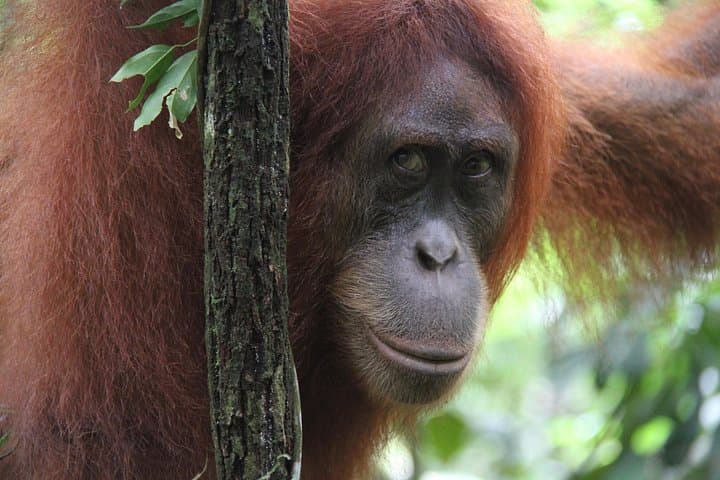
Dawn breaks over the Bohorok River and the jungle exhales — humid air, bird calls threaded through the drip of leaves. You step from the village path into a corridor of towering dipterocarps and strangler figs, boots sinking on roots and loam as the guide reads the forest for signs: broken branches, fresh nests, the distant cough of an orangutan.
Verified experiences and guided adventures in the surrounding area.
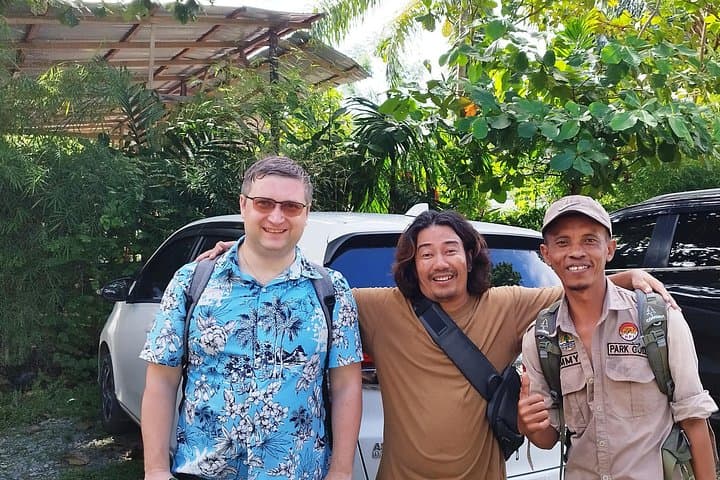
Operated by Sumatra tour and travel · Bukit Lawang, North Sumatra
Dawn breaks over the Bohorok River and the jungle exhales — humid air, bird calls threaded through the drip of leaves. You step from the village path into a corridor of towering dipterocarps and strangler figs, boots sinking on roots and loam as the guide reads the forest for signs: broken branches, fresh nests, the distant cough of an orangutan.
Bukit Lawang sits on the edge of Gunung Leuser National Park, a remnant of Sumatra’s ancient rainforests carved by tectonic uplift and volcanic soils. The area’s culture is a mix of Batak and Malay influences; villagers here work as guides and porters, transmitting local knowledge about medicinal plants and wildlife routines.
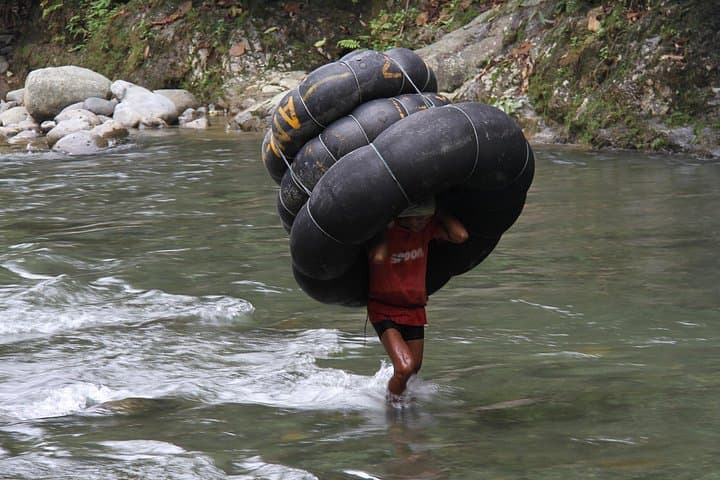
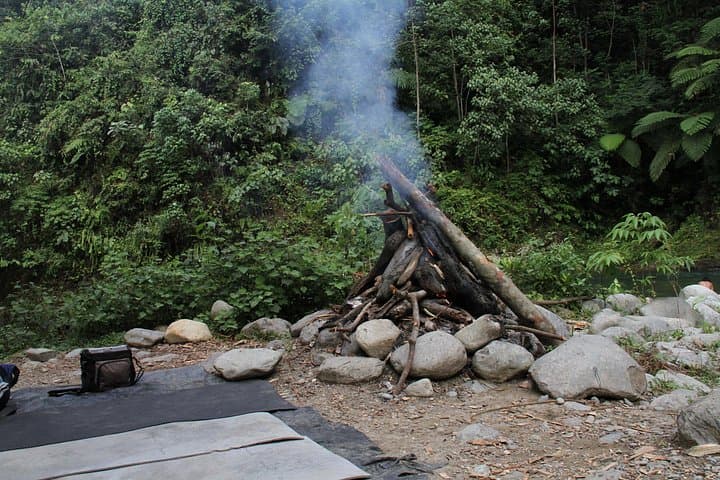
Over two days you’ll cover steep jungle trails, riverbank camps, and a late-afternoon tube-rafting return — terrain alternates between rocky ridgelines and braided river flats. Expect hot, sticky conditions, persistent insects, and sections where you’ll use hands for short scrambles. Wildlife encounters hinge on patience: orangutans often appear in mid- to upper-canopy, while macaques and hornbills are more visible near river edges.
Practical edge: travel light, waterproof your pack, and carry 2–3 liters of water per day. Good trekking shoes with aggressive tread and ankle support matter on the wet roots. Respect distance from animals — guides will enforce no-contact rules. Plan arrival in Medan the night before if flying in early; the road to Bukit Lawang takes roughly three hours by private car. With basic fitness and a readiness for humidity, this is an intimate, low-impact way to see Sumatran orangutans and learn from the local community.
The itinerary includes several 4–7 hour trekking days with steep inclines; a moderate-to-high fitness level is recommended.
Sightings are common but never guaranteed; guides track nests and feeding signs to increase chances while maintaining safe distances.
Yes — an overnight riverside campsite is included; expect basic facilities and campground-style meals provided by the operator.
A change of dry clothes, waterproof bag for valuables, and shoes that stay on in water; the tube-rafting section is relaxed but currents can be swift.
Sumatra tour and travel operates guided outdoor trips and adventures with an emphasis on safety, stewardship, and memorable experiences.
Dawn breaks over the Bohorok River and the jungle exhales — humid air, bird calls threaded through the drip of leaves. You step from the village path into a corridor of towering dipterocarps and strangler figs, boots sinking on roots and loam as the guide reads the forest for signs: broken branches, fresh nests, the distant cough of an orangutan.
Dawn breaks over the Bohorok River and the jungle exhales — humid air, bird calls threaded through the drip of leaves. You step from the village path into a corridor of towering dipterocarps and strangler figs, boots sinking on roots and loam as the guide reads the forest for signs: broken branches, fresh nests, the distant cough of an orangutan.
Bukit Lawang sits on the edge of Gunung Leuser National Park, a remnant of Sumatra’s ancient rainforests carved by tectonic uplift and volcanic soils. The area’s culture is a mix of Batak and Malay influences; villagers here work as guides and porters, transmitting local knowledge about medicinal plants and wildlife routines.
Over two days you’ll cover steep jungle trails, riverbank camps, and a late-afternoon tube-rafting return — terrain alternates between rocky ridgelines and braided river flats. Expect hot, sticky conditions, persistent insects, and sections where you’ll use hands for short scrambles. Wildlife encounters hinge on patience: orangutans often appear in mid- to upper-canopy, while macaques and hornbills are more visible near river edges.
Practical edge: travel light, waterproof your pack, and carry 2–3 liters of water per day. Good trekking shoes with aggressive tread and ankle support matter on the wet roots. Respect distance from animals — guides will enforce no-contact rules. Plan arrival in Medan the night before if flying in early; the road to Bukit Lawang takes roughly three hours by private car. With basic fitness and a readiness for humidity, this is an intimate, low-impact way to see Sumatran orangutans and learn from the local community.