THE ADVENTURE COLLECTIVE® · Independent discovery and booking for outdoor travel

Trade Beijing’s bustle for two days of clear springs and Confucian courtyards. This private bullet-train tour pairs Jinan’s famous waters with Qufu’s World Heritage sites and local storytelling.
Trade Beijing’s bustle for two days of clear springs and Confucian courtyards. This private bullet-train tour pairs Jinan’s famous waters with Qufu’s World Heritage sites and local storytelling.
Morning light on a Chinese high-speed platform is purposeful: commuters and travelers move with quiet efficiency while a sleek bullet train waits like a promise. Within two hours you leave Beijing’s urban pulse and arrive in Jinan, where springs push clear water up through limestone and the city’s pace eases into parkland.
Verified experiences and guided adventures in the surrounding area.
Operated by Unique Beijing Tours · Jinan, Shandong
Morning light on a Chinese high-speed platform is purposeful: commuters and travelers move with quiet efficiency while a sleek bullet train waits like a promise. Within two hours you leave Beijing’s urban pulse and arrive in Jinan, where springs push clear water up through limestone and the city’s pace eases into parkland.
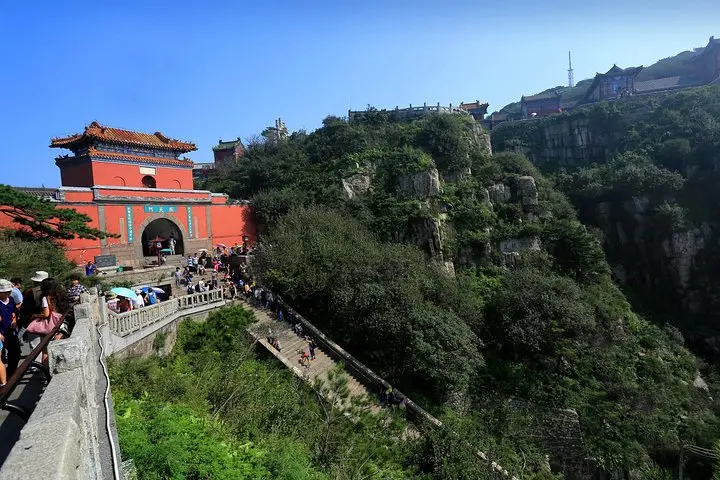
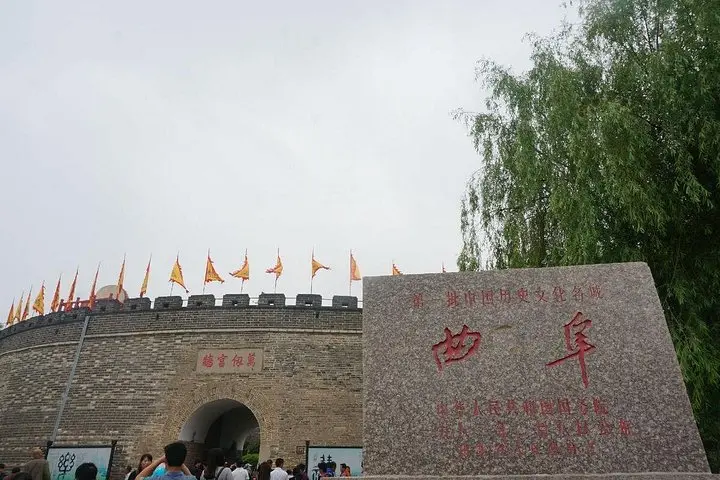
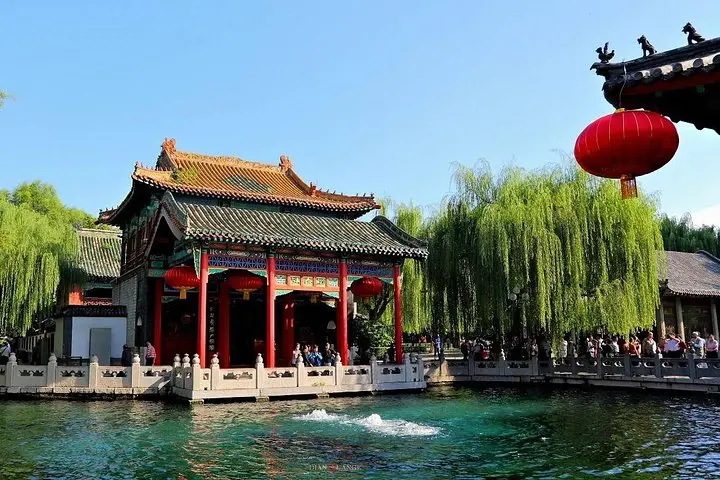
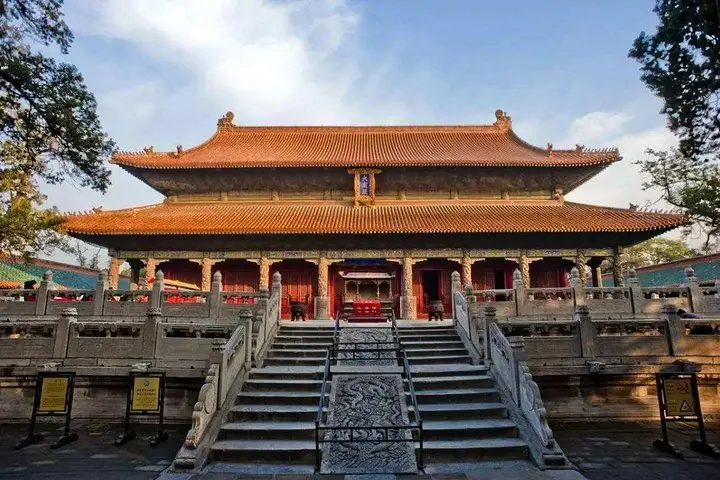
Jinan’s Baotu Spring has been written about since the Shang and remains near-constant at about 18°C; nearby Daming Lake sits in a shallow basin fed by multiple springs, its edges lined with pavilions and willows that have drawn poets for centuries. The second day shifts focus to Qufu — Confucius’ ancestral home — where the Temple of Confucius, the Kong Family Mansion and Cemetery chart two millennia of ritual, scholarship and architectural accretion from the Zhou through the Qing dynasties.
Geology here is simple but decisive: karstic spring vents and river-fed lakes shaped the city’s gardens; human history layered ceremonial courtyards around those waters.
Practically: expect light walking on stone paths, crowded museum rooms near major shrines, and short bullet-train segments between cities. Guides typically cover history, temple symbolism and practical navigation; meals included are regional, with options to sample jiaozi and local soups.
Bring comfortable shoes, a lightweight jacket for cool mornings, and a passport — it’s required. Time your visit for earlier mornings at Baotu and late afternoons in Qufu to avoid tour groups. Respect temple etiquette (quiet voice, modest dress) and leave room in your schedule for a slow lakeside pause — the springs insist you slow down.
Yes — you must book your own Jinan hotel for the overnight; Beijing pickup/drop-off is included for hotels inside the 4th ring road.
Bullet trains accept luggage; bring modest-sized bags and keep valuables on you during transfers.
Entrance fees for listed sites, train tickets, a guide, and lunches are included as described; check dietary needs when booking.
Yes — the itinerary is rated physically easy with short walks; infants must sit on laps on trains per operator rules.
Unique Beijing Tours operates guided outdoor trips and adventures with an emphasis on safety, stewardship, and memorable experiences.
Morning light on a Chinese high-speed platform is purposeful: commuters and travelers move with quiet efficiency while a sleek bullet train waits like a promise. Within two hours you leave Beijing’s urban pulse and arrive in Jinan, where springs push clear water up through limestone and the city’s pace eases into parkland.
Morning light on a Chinese high-speed platform is purposeful: commuters and travelers move with quiet efficiency while a sleek bullet train waits like a promise. Within two hours you leave Beijing’s urban pulse and arrive in Jinan, where springs push clear water up through limestone and the city’s pace eases into parkland.
Jinan’s Baotu Spring has been written about since the Shang and remains near-constant at about 18°C; nearby Daming Lake sits in a shallow basin fed by multiple springs, its edges lined with pavilions and willows that have drawn poets for centuries. The second day shifts focus to Qufu — Confucius’ ancestral home — where the Temple of Confucius, the Kong Family Mansion and Cemetery chart two millennia of ritual, scholarship and architectural accretion from the Zhou through the Qing dynasties.
Geology here is simple but decisive: karstic spring vents and river-fed lakes shaped the city’s gardens; human history layered ceremonial courtyards around those waters.
Practically: expect light walking on stone paths, crowded museum rooms near major shrines, and short bullet-train segments between cities. Guides typically cover history, temple symbolism and practical navigation; meals included are regional, with options to sample jiaozi and local soups.
Bring comfortable shoes, a lightweight jacket for cool mornings, and a passport — it’s required. Time your visit for earlier mornings at Baotu and late afternoons in Qufu to avoid tour groups. Respect temple etiquette (quiet voice, modest dress) and leave room in your schedule for a slow lakeside pause — the springs insist you slow down.