THE ADVENTURE COLLECTIVE® · Independent discovery and booking for outdoor travel

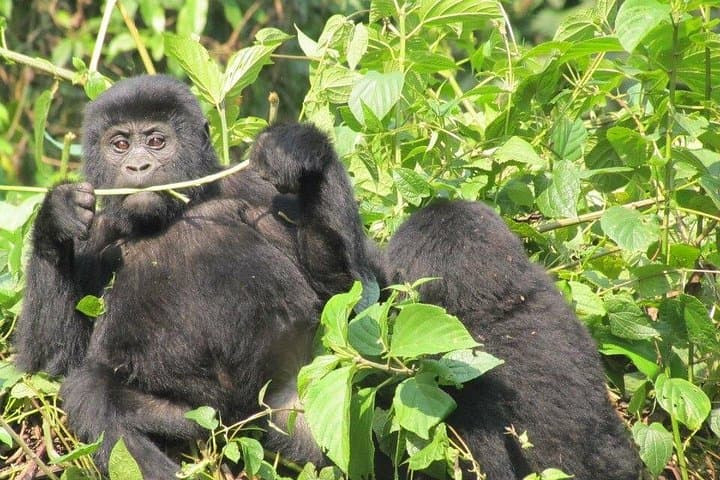
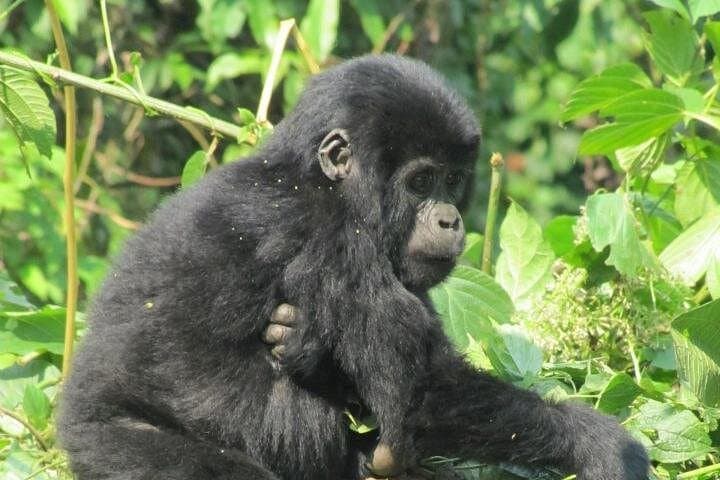
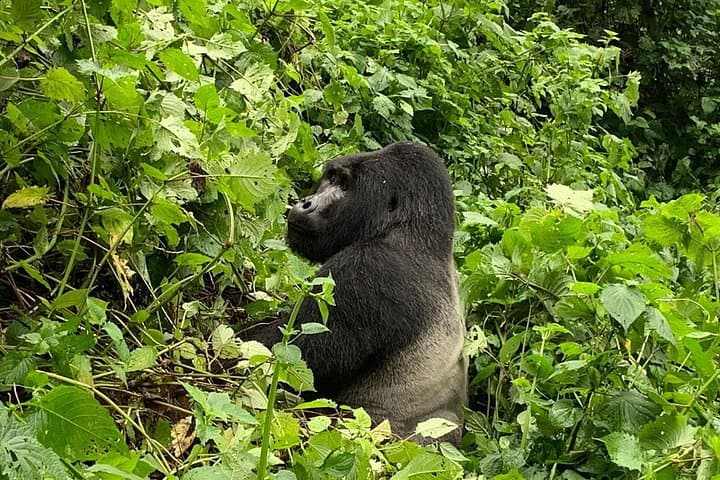
Cross from Kigali into the misty slopes of Bwindi for an intimate, guided encounter with mountain gorillas. This 2-day safari combines a scenic border crossing, local cultural stops, and a variable trek into Bwindi’s Rushaga sector.
Cross from Kigali into the misty slopes of Bwindi for an intimate, guided encounter with mountain gorillas. This 2-day safari combines a scenic border crossing, local cultural stops, and a variable trek into Bwindi’s Rushaga sector.
You step off the minivan in a drizzle of mountain mist and the forest seems to inhale around you — air cool, damp leaves brushing your sleeves as guides check boots and permits. The road from Kigali threads north past Musanze, crosses at Cyanika, and slopes into the Kisoro and Kanungu districts where Bwindi’s old-growth slopes hold the gorilla families.
Verified experiences and guided adventures in the surrounding area.
Operated by Bamboo Ecotours · Kisoro, Kanungu District
You step off the minivan in a drizzle of mountain mist and the forest seems to inhale around you — air cool, damp leaves brushing your sleeves as guides check boots and permits. The road from Kigali threads north past Musanze, crosses at Cyanika, and slopes into the Kisoro and Kanungu districts where Bwindi’s old-growth slopes hold the gorilla families.
Bwindi sits on the Albertine Rift, a patchwork of volcanic soils and steep ridges that created isolated pockets of biodiversity. The Batwa people once lived intimately with this forest; today their history and local coffee cooperatives shape visitor experiences in nearby villages. Geologically, the area is young and rugged, making trails steep, muddy and richly vegetated.
On trek day you’ll join a park briefing to learn gorilla etiquette — quiet movement, slow photos, one hour with a family if they allow — then follow porter tracks into a primeval canopy that pushes and tugs at you like a living thing. Treks vary from a short walk to several hours of uphill bush-bashing; guides use local knowledge and trackers to find families.
Practically: permits are required and usually included in tour packages, so carry a passport, bring layered waterproofs, gaiters and sturdy boots, and budget for porter fees and tips. Start early to avoid afternoon rains and allow time for border formalities returning to Kigali. Respect park rules: stay with your guide, keep distance from gorillas, and pack out all waste.
This is a raw, hands-on wildlife encounter where preparation meets patience — and the payoff is face-to-face time with one of the planet’s most intelligent and endangered mammals.
Yes — this package includes gorilla trekking permits; carry your passport for verification at the park gate.
Duration is unpredictable: some groups find gorillas within an hour, others trek 4–8 hours depending on family movements and terrain.
Trekking is physically demanding; travelers should have moderate to strong fitness and those with serious heart, back, or pregnancy conditions are advised not to participate.
Most visitors need a Ugandan entry visa (check your nationality) and proof of yellow fever vaccination is commonly required at entry points.
Bamboo Ecotours operates guided outdoor trips and adventures with an emphasis on safety, stewardship, and memorable experiences.
You step off the minivan in a drizzle of mountain mist and the forest seems to inhale around you — air cool, damp leaves brushing your sleeves as guides check boots and permits. The road from Kigali threads north past Musanze, crosses at Cyanika, and slopes into the Kisoro and Kanungu districts where Bwindi’s old-growth slopes hold the gorilla families.
You step off the minivan in a drizzle of mountain mist and the forest seems to inhale around you — air cool, damp leaves brushing your sleeves as guides check boots and permits. The road from Kigali threads north past Musanze, crosses at Cyanika, and slopes into the Kisoro and Kanungu districts where Bwindi’s old-growth slopes hold the gorilla families.
Bwindi sits on the Albertine Rift, a patchwork of volcanic soils and steep ridges that created isolated pockets of biodiversity. The Batwa people once lived intimately with this forest; today their history and local coffee cooperatives shape visitor experiences in nearby villages. Geologically, the area is young and rugged, making trails steep, muddy and richly vegetated.
On trek day you’ll join a park briefing to learn gorilla etiquette — quiet movement, slow photos, one hour with a family if they allow — then follow porter tracks into a primeval canopy that pushes and tugs at you like a living thing. Treks vary from a short walk to several hours of uphill bush-bashing; guides use local knowledge and trackers to find families.
Practically: permits are required and usually included in tour packages, so carry a passport, bring layered waterproofs, gaiters and sturdy boots, and budget for porter fees and tips. Start early to avoid afternoon rains and allow time for border formalities returning to Kigali. Respect park rules: stay with your guide, keep distance from gorillas, and pack out all waste.
This is a raw, hands-on wildlife encounter where preparation meets patience — and the payoff is face-to-face time with one of the planet’s most intelligent and endangered mammals.