THE ADVENTURE COLLECTIVE® · Independent discovery and booking for outdoor travel

Two days of concentrated Egyptian highlights: a 4-hour transfer to Cairo to stand at the Pyramids and explore the Egyptian Museum, then a coastal day in Alexandria for catacombs, Qaitbay Citadel and the Bibliotheca. Ideal for cruise travelers with limited time.
Two days of concentrated Egyptian highlights: a 4-hour transfer to Cairo to stand at the Pyramids and explore the Egyptian Museum, then a coastal day in Alexandria for catacombs, Qaitbay Citadel and the Bibliotheca. Ideal for cruise travelers with limited time.
You step off the gangway in Port Said and the city’s salty air pushes you toward the open road — four hours of low desert highway to Cairo, where the horizon is punctured by triangular silhouettes.
Verified experiences and guided adventures in the surrounding area.
Operated by This Is Egypt · Port Said, Port Said Governorate
You step off the gangway in Port Said and the city’s salty air pushes you toward the open road — four hours of low desert highway to Cairo, where the horizon is punctured by triangular silhouettes.
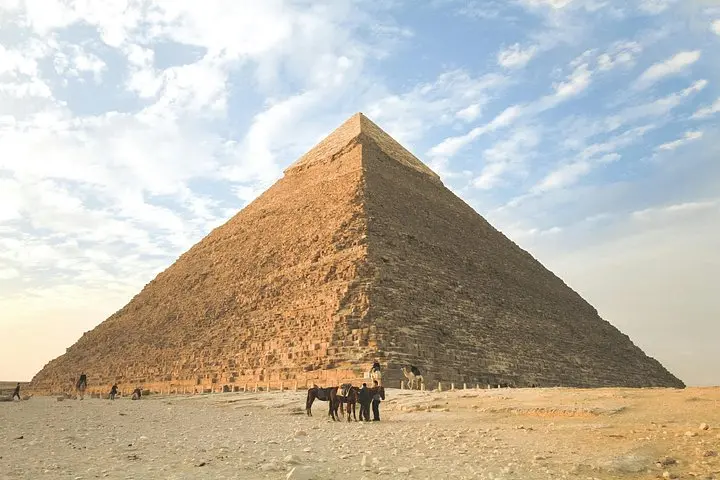
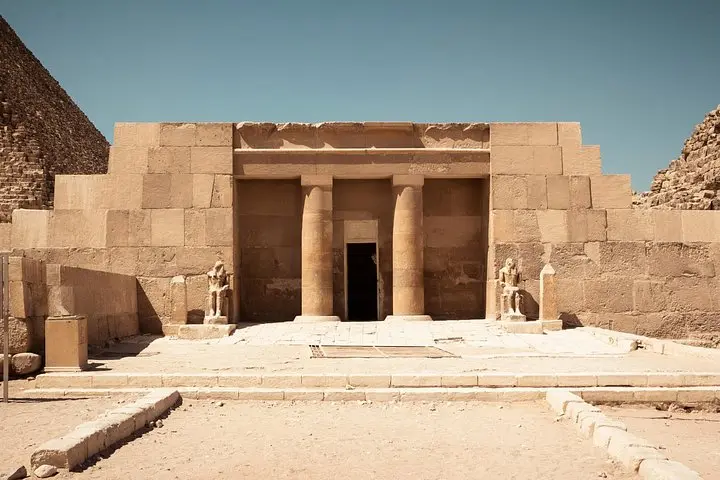
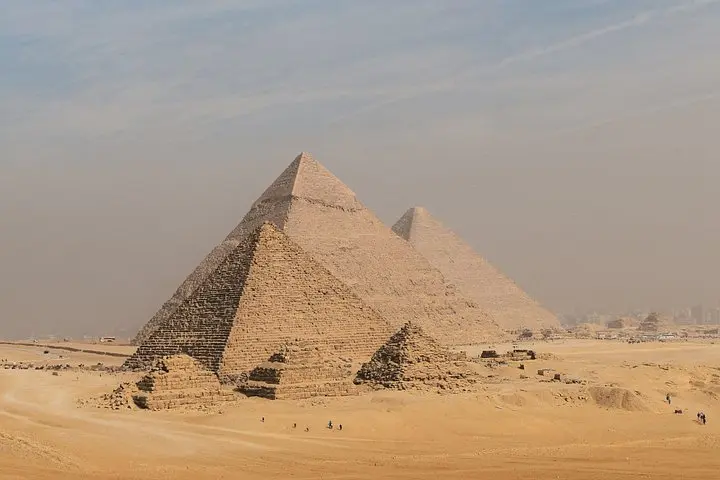
Day one centers on the Giza plateau: the Great Pyramid, the slightly younger Chephren, and the compact Mykerinos rise from sun-baked limestone. Nearby, the Sphinx watches the edge of the desert like an ancient prow. Inside Cairo’s Egyptian Museum, gold and funerary masks sit under cool light; Egyptian history here runs in long, human chapters dating back over 5,000 years.
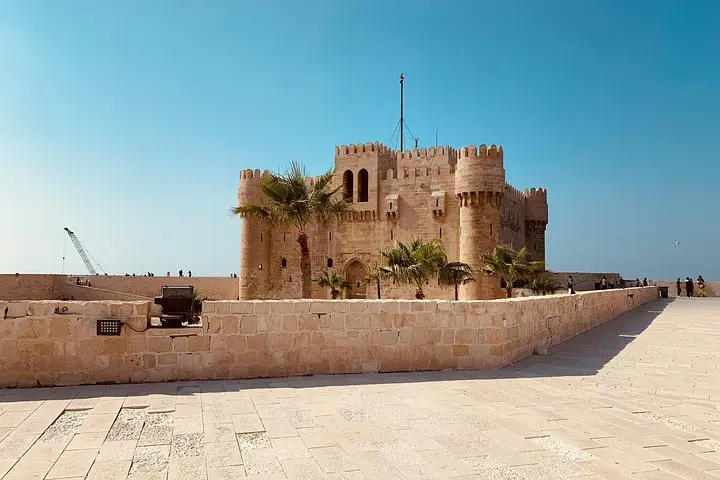
On day two you trace the Mediterranean coast to Alexandria. The Catacombs of Kom el Shoqafa reveal Roman-era tomb architecture carved into bedrock; Qaitbay Citadel perches on the old lighthouse site, weathered by sea spray; and the modern Bibliotheca Alexandrina offers contrast, glass and light on the harbor.
Geology and history meet: the Sahara’s eroded plateaus feed Nile silt into the delta; Alexandria’s limestone and sea-worn promontories shaped coastal defenses and ports. Expect crowded museum rooms, quick transfers in an air-conditioned vehicle, and flat but uneven walking surfaces at archaeological sites.
Practical notes: travel times are long — prepare for 3–4 hour drives each way — bring sun protection, sturdy closed shoes for uneven stone, and small bills for tips and entry fees. Morning visits beat the heat and the crowds. A private guide smooths logistics and adds context; keep passports handy for port pickup and admission stamps.
You must carry your passport; visa requirements depend on nationality—check Egypt’s entry rules before travel.
The tour notes entrance fees to mentioned sites are included, but optional extras (camel rides, interior pyramid access) may cost extra.
Some parts are wheelchair accessible (vehicle transfers are included), but archaeological sites often have steps and uneven terrain—check specific accessibility needs in advance.
Pickup is from Port Said Port and return to Alexandria Port; provide cruise arrival/departure times when booking.
This Is Egypt operates guided outdoor trips and adventures with an emphasis on safety, stewardship, and memorable experiences.
You step off the gangway in Port Said and the city’s salty air pushes you toward the open road — four hours of low desert highway to Cairo, where the horizon is punctured by triangular silhouettes.
You step off the gangway in Port Said and the city’s salty air pushes you toward the open road — four hours of low desert highway to Cairo, where the horizon is punctured by triangular silhouettes.
Day one centers on the Giza plateau: the Great Pyramid, the slightly younger Chephren, and the compact Mykerinos rise from sun-baked limestone. Nearby, the Sphinx watches the edge of the desert like an ancient prow. Inside Cairo’s Egyptian Museum, gold and funerary masks sit under cool light; Egyptian history here runs in long, human chapters dating back over 5,000 years.
On day two you trace the Mediterranean coast to Alexandria. The Catacombs of Kom el Shoqafa reveal Roman-era tomb architecture carved into bedrock; Qaitbay Citadel perches on the old lighthouse site, weathered by sea spray; and the modern Bibliotheca Alexandrina offers contrast, glass and light on the harbor.
Geology and history meet: the Sahara’s eroded plateaus feed Nile silt into the delta; Alexandria’s limestone and sea-worn promontories shaped coastal defenses and ports. Expect crowded museum rooms, quick transfers in an air-conditioned vehicle, and flat but uneven walking surfaces at archaeological sites.
Practical notes: travel times are long — prepare for 3–4 hour drives each way — bring sun protection, sturdy closed shoes for uneven stone, and small bills for tips and entry fees. Morning visits beat the heat and the crowds. A private guide smooths logistics and adds context; keep passports handy for port pickup and admission stamps.