THE ADVENTURE COLLECTIVE® · Independent discovery and booking for outdoor travel

Two full days that condense Cairo’s most iconic layers: dawn at the Giza Pyramids, the Step Pyramid at Saqqara, ancient Memphis, then the Grand Egyptian Museum, Citadel and Khan el-Khalili. A private guide keeps the pace flexible while you navigate heat, crowds and unforgettable sights.
Two full days that condense Cairo’s most iconic layers: dawn at the Giza Pyramids, the Step Pyramid at Saqqara, ancient Memphis, then the Grand Egyptian Museum, Citadel and Khan el-Khalili. A private guide keeps the pace flexible while you navigate heat, crowds and unforgettable sights.
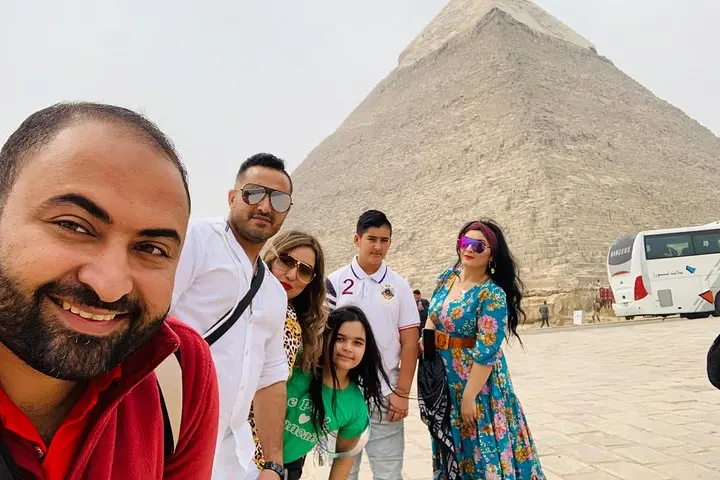
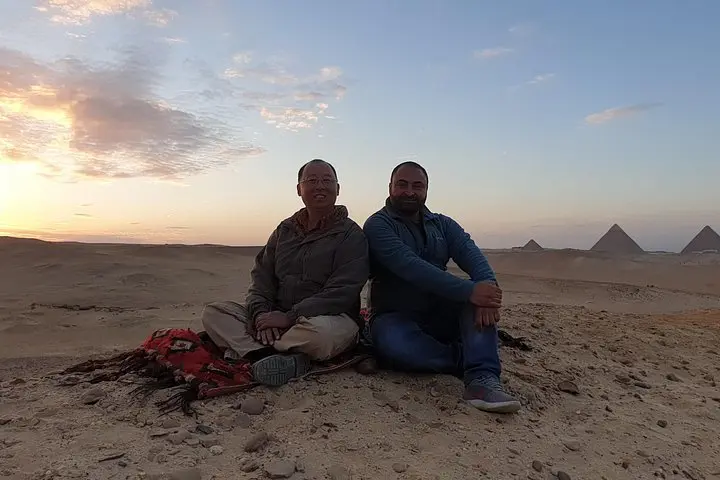
Dawn on the Giza Plateau arrives with a flat, golden silence—the limestone faces of the Great Pyramid catching light while the Sphinx keeps its eternal watch. Your guide meets you at 8:00 a.m., and the city’s layers unfold: desert stones and modern avenues, narrow souks and wide museum halls.
Verified experiences and guided adventures in the surrounding area.
Operated by Egypt Tours Planner · Cairo, Cairo Governorate
Dawn on the Giza Plateau arrives with a flat, golden silence—the limestone faces of the Great Pyramid catching light while the Sphinx keeps its eternal watch. Your guide meets you at 8:00 a.m., and the city’s layers unfold: desert stones and modern avenues, narrow souks and wide museum halls.
Day one moves through the Old Kingdom: two hours at the Giza complex (entry to the plateau included; interior pyramid entry costs extra), then a short drive to Saqqara to see Djoser’s Step Pyramid—the world’s first large stone structure—and the open-air ruins of Memphis, once Egypt’s capital around 3100 B.C. Day two shifts to the city’s later eras: the Grand Egyptian Museum’s massive galleries, the Ottoman-era Muhammad Ali Mosque in the Citadel, and a choice of Khan el-Khalili bazaar or the churches of Coptic Cairo.
Stones here are history and weathered geology; wind-blown sand polishes surfaces and frames views. Expect uneven walking, loose sand, and crowded alleys at market entrances. Culture is tactile—baksheesh (tips) and bargaining are routine, and modest dress is required in religious sites.
Practical guidance: start early to avoid midday heat, carry 2–3 liters of water, wear closed-toe shoes for the plateau, and keep small notes for tipping and purchases. Allow extra time for traffic when moving between sites. The route is private and adaptable—bring comfortable layers for cooler mornings and a hat for relentless sun.
Entry to the Giza Plateau is included; interior entry to each pyramid typically costs extra and may require separate tickets purchased on site.
Yes—private pickup and drop-off from Cairo-area hotels is included per the tour details; confirm your pickup address when booking.
This is a private tour, so the guide can often adjust timing and select between Khan el-Khalili or Coptic Cairo, but major changes should be arranged in advance.
Two lunches are included according to the itinerary; expect local Egyptian dishes at recommended restaurants.
Egypt Tours Planner operates guided outdoor trips and adventures with an emphasis on safety, stewardship, and memorable experiences.
Dawn on the Giza Plateau arrives with a flat, golden silence—the limestone faces of the Great Pyramid catching light while the Sphinx keeps its eternal watch. Your guide meets you at 8:00 a.m., and the city’s layers unfold: desert stones and modern avenues, narrow souks and wide museum halls.
Dawn on the Giza Plateau arrives with a flat, golden silence—the limestone faces of the Great Pyramid catching light while the Sphinx keeps its eternal watch. Your guide meets you at 8:00 a.m., and the city’s layers unfold: desert stones and modern avenues, narrow souks and wide museum halls.
Day one moves through the Old Kingdom: two hours at the Giza complex (entry to the plateau included; interior pyramid entry costs extra), then a short drive to Saqqara to see Djoser’s Step Pyramid—the world’s first large stone structure—and the open-air ruins of Memphis, once Egypt’s capital around 3100 B.C. Day two shifts to the city’s later eras: the Grand Egyptian Museum’s massive galleries, the Ottoman-era Muhammad Ali Mosque in the Citadel, and a choice of Khan el-Khalili bazaar or the churches of Coptic Cairo.
Stones here are history and weathered geology; wind-blown sand polishes surfaces and frames views. Expect uneven walking, loose sand, and crowded alleys at market entrances. Culture is tactile—baksheesh (tips) and bargaining are routine, and modest dress is required in religious sites.
Practical guidance: start early to avoid midday heat, carry 2–3 liters of water, wear closed-toe shoes for the plateau, and keep small notes for tipping and purchases. Allow extra time for traffic when moving between sites. The route is private and adaptable—bring comfortable layers for cooler mornings and a hat for relentless sun.