THE ADVENTURE COLLECTIVE® · Independent discovery and booking for outdoor travel

Ride camels over wind-sculpted dunes, sleep under a star-filled sky and visit an abandoned desert village on a private 2‑day Thar Desert safari from Jaisalmer. Practical tips for packing, timing and accessibility included.
Ride camels over wind-sculpted dunes, sleep under a star-filled sky and visit an abandoned desert village on a private 2‑day Thar Desert safari from Jaisalmer. Practical tips for packing, timing and accessibility included.
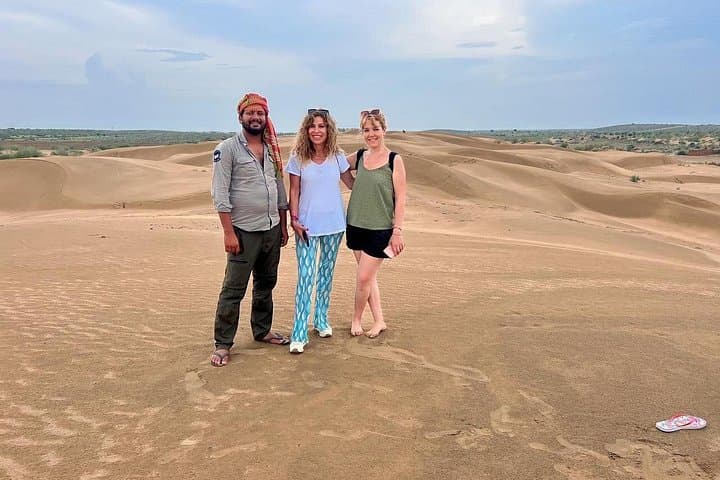
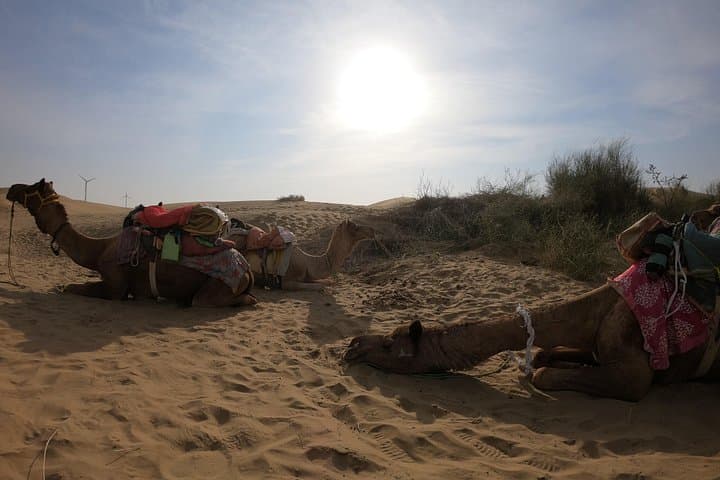
The late-afternoon light flattens the dunes into gold; camels step with deliberate patience and the wind writes new ridges behind you. A jeep drops you at the camel point and the caravan threads across arid scrub, rocky outcrops and farmer-ploughed fields until the sand swells into an isolated ridge—a private stretch of Thar for your camp.
Verified experiences and guided adventures in the surrounding area.
Operated by Rumis Desert Camp · Jaisalmer, Rajasthan
The late-afternoon light flattens the dunes into gold; camels step with deliberate patience and the wind writes new ridges behind you. A jeep drops you at the camel point and the caravan threads across arid scrub, rocky outcrops and farmer-ploughed fields until the sand swells into an isolated ridge—a private stretch of Thar for your camp.
This is Thar country: wind-sculpted dunes on ancient alluvial plains, dotted with stone temples and the honey-colored sandstone architecture of Jaisalmer town. The region was a crossroads for caravan trade, and local clans built villages and wells that still mark human survival in a dry landscape. One stop on this route is the abandoned, locally famous “ghost” village—an eerie cluster of ruins that speaks to shifting water tables and social change.
Expect slow, steady camel travel—two days that prioritize place over pace. Terrain alternates firm packed sand, looser dunes and occasional rocky flats; wildlife sightings may include chinkara bounding across the horizon or a desert fox at dusk. Nights are arrestingly clear; the Milky Way and low, cold air demand warm layers despite hot daytime sun. Camps come with mattresses and blankets; meals are included and cooked on site.
Practical edge: schedule sunset and sunrise for photography, hydrate early and often, and protect skin and eyes from sun and sand. If you have back or cardiovascular issues, discuss alternatives—camel saddles can be unforgiving. Bring closed-toe shoes, layered clothing for wide temperature swings, and a small dry bag for electronics. This safari is as much about slowing down into the desert’s tempo as it is about covering ground.
Yes—meals listed in the itinerary include breakfasts, lunches and dinners prepared at camp; bottled water is provided.
Riding time varies by itinerary but expect multiple short rides totaling several hours across the two days, with jeep transfers for segments.
Children can participate but should be supervised; not recommended for travelers with spinal or serious cardiovascular conditions—consult the operator in advance.
Yes—the tour visits an abandoned village site (locally known as a ghost village) that offers ruins and local lore about past migrations and changing water supplies.
Rumis Desert Camp operates guided outdoor trips and adventures with an emphasis on safety, stewardship, and memorable experiences.


The late-afternoon light flattens the dunes into gold; camels step with deliberate patience and the wind writes new ridges behind you. A jeep drops you at the camel point and the caravan threads across arid scrub, rocky outcrops and farmer-ploughed fields until the sand swells into an isolated ridge—a private stretch of Thar for your camp.
The late-afternoon light flattens the dunes into gold; camels step with deliberate patience and the wind writes new ridges behind you. A jeep drops you at the camel point and the caravan threads across arid scrub, rocky outcrops and farmer-ploughed fields until the sand swells into an isolated ridge—a private stretch of Thar for your camp.
This is Thar country: wind-sculpted dunes on ancient alluvial plains, dotted with stone temples and the honey-colored sandstone architecture of Jaisalmer town. The region was a crossroads for caravan trade, and local clans built villages and wells that still mark human survival in a dry landscape. One stop on this route is the abandoned, locally famous “ghost” village—an eerie cluster of ruins that speaks to shifting water tables and social change.
Expect slow, steady camel travel—two days that prioritize place over pace. Terrain alternates firm packed sand, looser dunes and occasional rocky flats; wildlife sightings may include chinkara bounding across the horizon or a desert fox at dusk. Nights are arrestingly clear; the Milky Way and low, cold air demand warm layers despite hot daytime sun. Camps come with mattresses and blankets; meals are included and cooked on site.
Practical edge: schedule sunset and sunrise for photography, hydrate early and often, and protect skin and eyes from sun and sand. If you have back or cardiovascular issues, discuss alternatives—camel saddles can be unforgiving. Bring closed-toe shoes, layered clothing for wide temperature swings, and a small dry bag for electronics. This safari is as much about slowing down into the desert’s tempo as it is about covering ground.