THE ADVENTURE COLLECTIVE® · Independent discovery and booking for outdoor travel

Two days of dirt roads, flamingo-flushed shores and an intact volcanic caldera: this camping safari pairs Lake Manyara’s forested lakeshore with full-day game viewing on Ngorongoro’s crater floor. Expect close encounters, early starts and simple campsite comfort.
Two days of dirt roads, flamingo-flushed shores and an intact volcanic caldera: this camping safari pairs Lake Manyara’s forested lakeshore with full-day game viewing on Ngorongoro’s crater floor. Expect close encounters, early starts and simple campsite comfort.
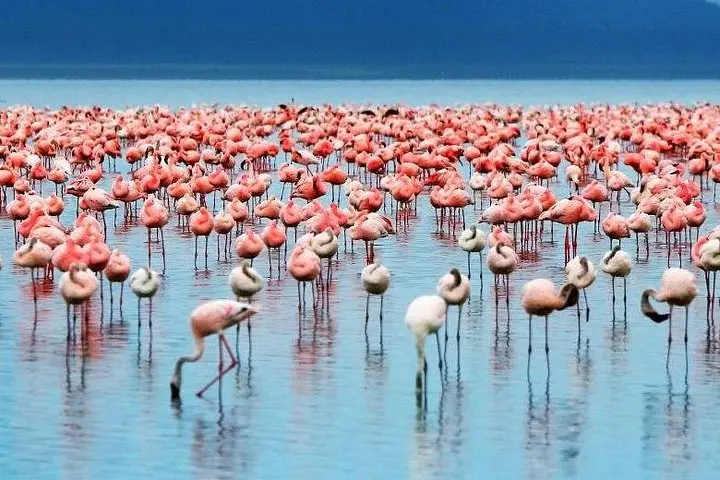
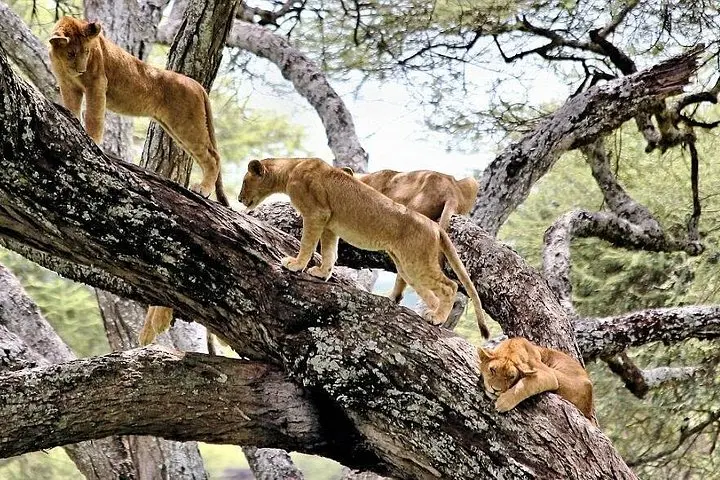
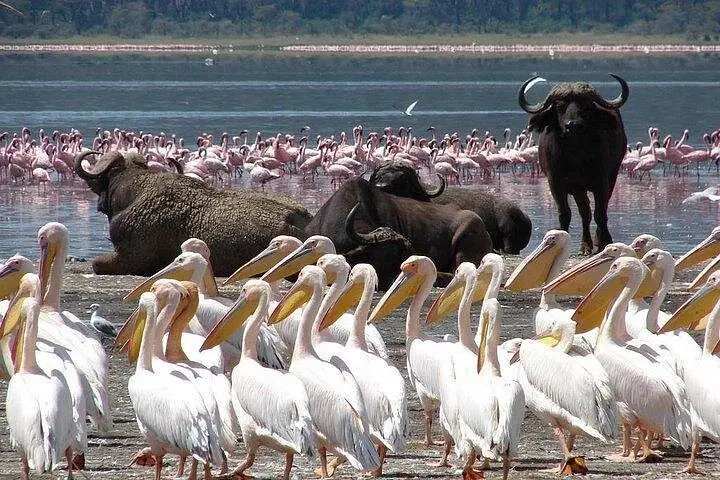
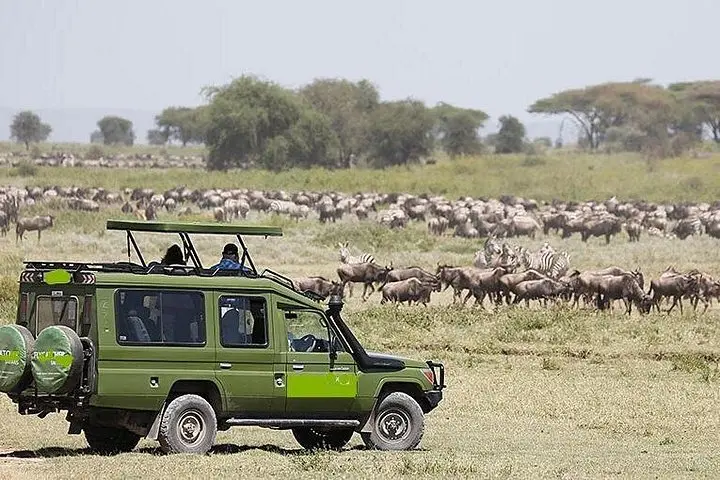
The morning light in northern Tanzania slices across grass and acacia, and your 4x4 pushes out of Arusha toward the Rift Valley. By late morning the air smells of dust and warm iron as Lake Manyara’s soda flats glitter at a distance and flocks of flamingo edge the water like punctuation. A short game drive through woodlands may turn up elephants browsing under fig trees and—if fortune favors you—the famous tree-climbing lions that give this park its reputation.
Verified experiences and guided adventures in the surrounding area.
Operated by Gracepatt Safaris · Arusha, Arusha Region
The morning light in northern Tanzania slices across grass and acacia, and your 4x4 pushes out of Arusha toward the Rift Valley. By late morning the air smells of dust and warm iron as Lake Manyara’s soda flats glitter at a distance and flocks of flamingo edge the water like punctuation. A short game drive through woodlands may turn up elephants browsing under fig trees and—if fortune favors you—the famous tree-climbing lions that give this park its reputation.
The next day the road climbs to Ngorongoro’s rim; the crater drops away like a collapsed world, an intact volcanic caldera that funnels animals into plains below. Geologically young and enormous, the crater’s rim sits around 2,200–2,400 m while the floor settles near 1,700–1,900 m, creating distinct habitats from fever trees to soda lakes.
Culturally the route threads Maasai grazing lands and colonial-era bush tracks: Maasai bomas still punctuate the way, and the Ngorongoro Conservation Area is managed with grazing rights and tourism in mind. Expect open grasslands on the crater floor, pockets of forest, and plenty of birdlife along alkaline shores.
Practical guide: travel light but ready—camera and binoculars are essential, sun protection mandatory, and a warm layer for the crater rim at dawn. Drives range from roughly 2–3 hours between Arusha and Lake Manyara and about 80 km (≈1.5 hours) to the Ngorongoro rim; game drives use established tracks—follow your guide and the park rules. Tents, mattresses and meals are provided on this itinerary, but bring personal medications, insect repellent and an adaptable attitude—wildlife rarely follows a schedule.
No—tents, mattresses, a cook and basic camping setup are provided; guides and camp staff handle the logistics.
Yes—national park fees for Ngorongoro and Lake Manyara are included in the itinerary as noted in the tour inclusions.
Consult a travel clinic for up-to-date advice on yellow fever (if required), malaria prophylaxis, and routine vaccines; bring any personal medications.
Tipping is customary—budget modest daily amounts for your driver/guide and camp staff, handed at the end of the trip.
Gracepatt Safaris operates guided outdoor trips and adventures with an emphasis on safety, stewardship, and memorable experiences.
The morning light in northern Tanzania slices across grass and acacia, and your 4x4 pushes out of Arusha toward the Rift Valley. By late morning the air smells of dust and warm iron as Lake Manyara’s soda flats glitter at a distance and flocks of flamingo edge the water like punctuation. A short game drive through woodlands may turn up elephants browsing under fig trees and—if fortune favors you—the famous tree-climbing lions that give this park its reputation.
The morning light in northern Tanzania slices across grass and acacia, and your 4x4 pushes out of Arusha toward the Rift Valley. By late morning the air smells of dust and warm iron as Lake Manyara’s soda flats glitter at a distance and flocks of flamingo edge the water like punctuation. A short game drive through woodlands may turn up elephants browsing under fig trees and—if fortune favors you—the famous tree-climbing lions that give this park its reputation.
The next day the road climbs to Ngorongoro’s rim; the crater drops away like a collapsed world, an intact volcanic caldera that funnels animals into plains below. Geologically young and enormous, the crater’s rim sits around 2,200–2,400 m while the floor settles near 1,700–1,900 m, creating distinct habitats from fever trees to soda lakes.
Culturally the route threads Maasai grazing lands and colonial-era bush tracks: Maasai bomas still punctuate the way, and the Ngorongoro Conservation Area is managed with grazing rights and tourism in mind. Expect open grasslands on the crater floor, pockets of forest, and plenty of birdlife along alkaline shores.
Practical guide: travel light but ready—camera and binoculars are essential, sun protection mandatory, and a warm layer for the crater rim at dawn. Drives range from roughly 2–3 hours between Arusha and Lake Manyara and about 80 km (≈1.5 hours) to the Ngorongoro rim; game drives use established tracks—follow your guide and the park rules. Tents, mattresses and meals are provided on this itinerary, but bring personal medications, insect repellent and an adaptable attitude—wildlife rarely follows a schedule.