THE ADVENTURE COLLECTIVE® · Independent discovery and booking for outdoor travel

Two days from Alanya to the otherworldly landscapes of Cappadocia, with overnight accommodation in a cave hotel. Explore underground cities, fairy chimneys, pottery in Avanos, and panoramic viewpoints with guided transfers and meals included.
Two days from Alanya to the otherworldly landscapes of Cappadocia, with overnight accommodation in a cave hotel. Explore underground cities, fairy chimneys, pottery in Avanos, and panoramic viewpoints with guided transfers and meals included.
The bus pulls out of Alanya before dawn and the road unspools westward — olive groves give way to low steppe and, eventually, a lunar-like plateau where stone seems to have learned to grow. By late afternoon you are standing on a rim of ochre and cream, wind sketching new shadows across columns of rock that the locals call fairy chimneys. The guide points to a cluster of chimneys lit like sentries; below, a ribbon of carved tunnels promises a different kind of silence.
Verified experiences and guided adventures in the surrounding area.
Operated by HARLEY · Ürgüp, Nevşehir
The bus pulls out of Alanya before dawn and the road unspools westward — olive groves give way to low steppe and, eventually, a lunar-like plateau where stone seems to have learned to grow. By late afternoon you are standing on a rim of ochre and cream, wind sketching new shadows across columns of rock that the locals call fairy chimneys. The guide points to a cluster of chimneys lit like sentries; below, a ribbon of carved tunnels promises a different kind of silence.
This two-day circuit is as much an introduction to Cappadocia’s layered past as it is a short, well-paced outdoor trip. The region’s landscape is volcanic tuff — ash and lava laid down millions of years ago, then pared into spires and valleys by wind and water. Humans have been rewriting that geology for millennia: pigeon houses, churches with Byzantine frescoes, and vast underground refuges such as Tatlarin Underground City were all carved into that soft rock.
Culture threads through the itinerary. Avanos, on the Kızılırmak River, still turns pottery on centuries-old wheels; Ürgüp’s cave hotels repurpose carved dwellings into intimate rooms where stone cools the heat of a long day. The optional stop in Konya brings a different tempo — the Mevlana Museum honours Rumi and the region’s Sufi legacy, grounding Cappadocia’s visual drama in spiritual history.
Practically, this is a moderate, low-impact two-day experience best for travelers who want varied scenery without backpacking. Expect short walks in Love and Devrent valleys (roughly 2–4 km each on uneven, dusty trails), pockets of steeper stone at Uchisar (a climb of some 150–250 vertical metres via carved stairs and passages), and level strolls through Avanos. Wear sturdy footwear with good grip; stone dust and loose scree make trekking poles useful for balance. Temperatures swing dramatically from pre-dawn chill to hot midday sun — layers are essential. Bring 2–3 litres of water, sun protection, and a small daypack; guides provide transport and most meals, plus an overnight in a hand-picked cave hotel in Ürgüp.
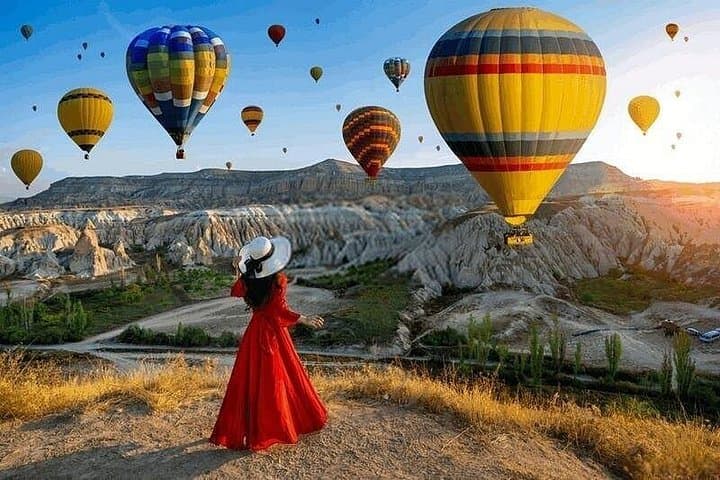
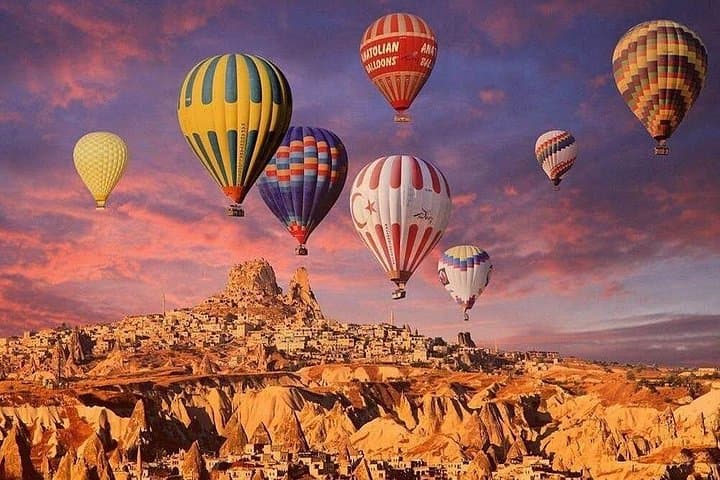
Photography opportunities are everywhere: sunrise and late afternoon put the fairy chimneys in sharp relief; the Göreme Panorama compresses valleys into a single frame. If you want a balloon flight iconically associated with the region, book separately and early — it’s a different rhythm and cost from this tour.
On the conservation side, stick to marked paths and avoid removing rock or artifacts; the tuff erodes quickly when disturbed. The tour’s small-group format and hotel stay balance access with comfort — you leave the plateau having seen both the sculpted geology and the living culture that continues to shape Cappadocia.
The transfer takes roughly 5–6 hours each way by air-conditioned coach with stops; the itinerary spaces sightseeing across both days.
Yes — many cave hotels are converted historical carved rooms in tuff rock, fitted with modern amenities for comfort.
The tour includes select entrance fees (Underground City noted) but some sites or optional visits like balloon flights require extra fees.
Families with children can join; the operator notes stroller access in parts but underground city passages may be tight for very small kids.
No — the Konya stop is optional depending on schedule and group preference; guides can advise based on timing.
Balloon flights are booked separately through licensed operators and are weather-dependent; reserve early for sunrise slots.
HARLEY operates guided outdoor trips and adventures with an emphasis on safety, stewardship, and memorable experiences.


The bus pulls out of Alanya before dawn and the road unspools westward — olive groves give way to low steppe and, eventually, a lunar-like plateau where stone seems to have learned to grow. By late afternoon you are standing on a rim of ochre and cream, wind sketching new shadows across columns of rock that the locals call fairy chimneys. The guide points to a cluster of chimneys lit like sentries; below, a ribbon of carved tunnels promises a different kind of silence.
The bus pulls out of Alanya before dawn and the road unspools westward — olive groves give way to low steppe and, eventually, a lunar-like plateau where stone seems to have learned to grow. By late afternoon you are standing on a rim of ochre and cream, wind sketching new shadows across columns of rock that the locals call fairy chimneys. The guide points to a cluster of chimneys lit like sentries; below, a ribbon of carved tunnels promises a different kind of silence.
This two-day circuit is as much an introduction to Cappadocia’s layered past as it is a short, well-paced outdoor trip. The region’s landscape is volcanic tuff — ash and lava laid down millions of years ago, then pared into spires and valleys by wind and water. Humans have been rewriting that geology for millennia: pigeon houses, churches with Byzantine frescoes, and vast underground refuges such as Tatlarin Underground City were all carved into that soft rock.
Culture threads through the itinerary. Avanos, on the Kızılırmak River, still turns pottery on centuries-old wheels; Ürgüp’s cave hotels repurpose carved dwellings into intimate rooms where stone cools the heat of a long day. The optional stop in Konya brings a different tempo — the Mevlana Museum honours Rumi and the region’s Sufi legacy, grounding Cappadocia’s visual drama in spiritual history.
Practically, this is a moderate, low-impact two-day experience best for travelers who want varied scenery without backpacking. Expect short walks in Love and Devrent valleys (roughly 2–4 km each on uneven, dusty trails), pockets of steeper stone at Uchisar (a climb of some 150–250 vertical metres via carved stairs and passages), and level strolls through Avanos. Wear sturdy footwear with good grip; stone dust and loose scree make trekking poles useful for balance. Temperatures swing dramatically from pre-dawn chill to hot midday sun — layers are essential. Bring 2–3 litres of water, sun protection, and a small daypack; guides provide transport and most meals, plus an overnight in a hand-picked cave hotel in Ürgüp.
Photography opportunities are everywhere: sunrise and late afternoon put the fairy chimneys in sharp relief; the Göreme Panorama compresses valleys into a single frame. If you want a balloon flight iconically associated with the region, book separately and early — it’s a different rhythm and cost from this tour.
On the conservation side, stick to marked paths and avoid removing rock or artifacts; the tuff erodes quickly when disturbed. The tour’s small-group format and hotel stay balance access with comfort — you leave the plateau having seen both the sculpted geology and the living culture that continues to shape Cappadocia.