
2-Day Cappadocia North & South Tour — Fairy Chimneys, Underground Cities, Pottery and Carpets
Two days in Cappadocia condense millennia: moonlike rock formations, underground refuges and hands-on crafts. This small-group North and South tour pairs geology with culture and practical stops for photography, pottery and carpet demonstrations.
An Adventure In Ürgüp.
Two days in Cappadocia condense millennia: moonlike rock formations, underground refuges and hands-on crafts. This small-group North and South tour pairs geology with culture and practical stops for photography, pottery and carpet demonstrations.
Read the full experience
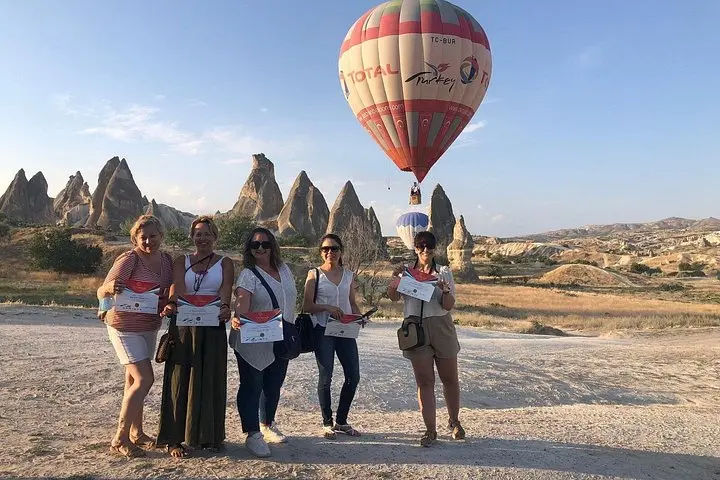
The sun lifts slowly over a lunar landscape and the chimneys throw long, angular shadows across a field of pumice and tuff. On day one a small van slides off a quiet road and the group steps out into Devrent's odd, animal-shaped rocks—stone that seems to have been coaxed into figures by wind and time rather than human hands. By the time the tour reaches Paşabağ, the fairy chimneys stand like weathered sculptures, some with mushroom caps so balanced they appear to defy gravity.
The sun lifts slowly over a lunar landscape and the chimneys throw long, angular shadows across a field of pumice and tuff. On day one a small van slides off a quiet road and the group steps out into Devrent's odd, animal-shaped rocks—stone that seems to have been coaxed into figures by wind and time rather than human hands. By the time the tour reaches Paşabağ, the fairy chimneys stand like weathered sculptures, some with mushroom caps so balanced they appear to defy gravity.
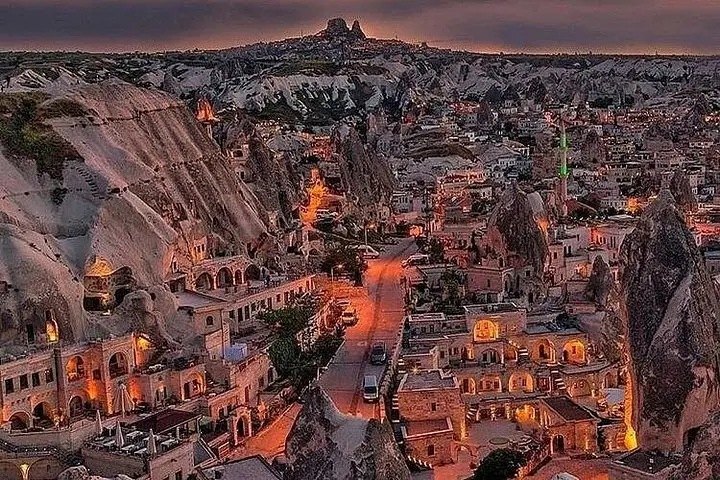
Cappadocia reads like geology's field notebook. The high plateaus of central Anatolia were blanketed by ash from ancient eruptions of Erciyes and Hasan volcanoes; over millennia rain and wind carved that volcanic tuff into ridges, cones and the iconic chimneys. Human beings have used that softness to their advantage: Zelve and the rock-cut churches preserve a medieval Christian landscape, while underground cities such as Özkonak reveal how communities retreated below to survive sieges. Those subterranean passages—ventilation shafts, storage rooms, hidden staircases—feel like a pragmatic answer to a volatile history.
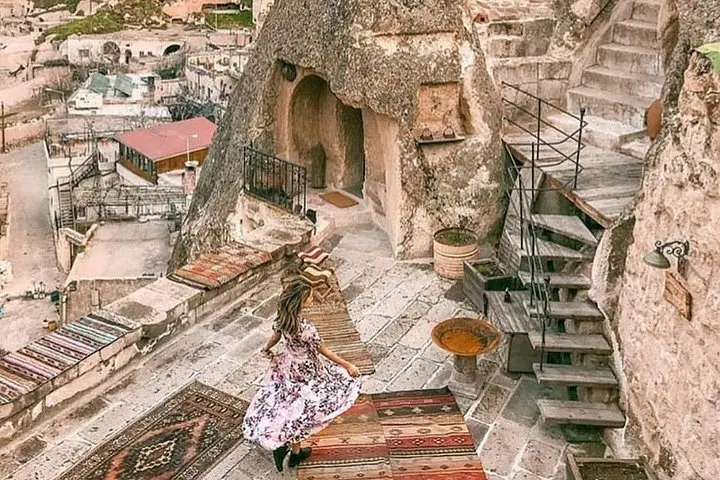
Culture here is as tactile as the terrain. In Avanos you’ll watch potters turn red river clay from the Kızılırmak into bowls and vases, fingers shaping spirals that echo the surrounding valleys. A carpet demonstration traces the years of labor behind a single panel—dyeing, knotting, trimming—so a rug leaves the workshop carrying generations of regional pattern and patience.
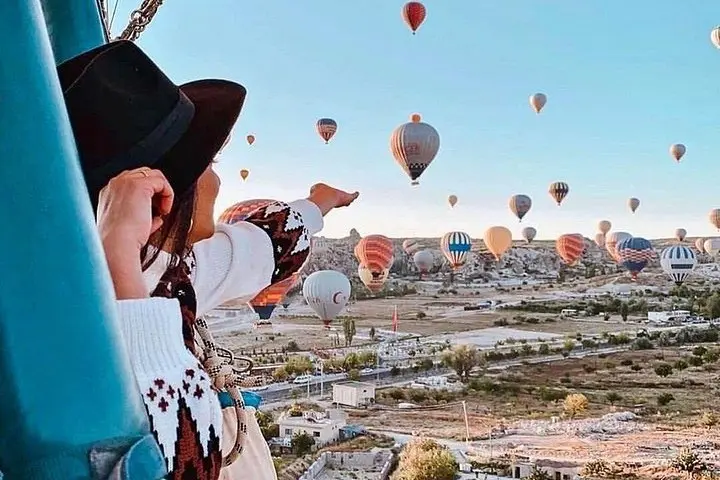
Practicalities are straightforward. The small-group format (max ~15) keeps pace humane and allows time at viewpoints—Göreme panorama, Uçhisar castle and Ortahisar’s rock fortress are scheduled photo stops. Hotel pickup and drop-off are included; bring sturdy shoes for uneven rock and steps, and plan layers: mornings are crisp, midday can bake, and evenings cool quickly. Hydrate before hikes—water is available but carrying a refill bottle keeps you independent. If you want balloon silhouettes in the sky, book a separate sunrise flight; the tour times are built for daylight site visits, not balloon landings.
Expect two full days of walking short trails, short climbs and many stairs—nothing technical, but a moderate fitness level helps you enjoy more of the scene. The guide’s stories link geology with folklore and daily craft: they point out ancient pigeonholes carved into cliffs and explain why pigeons mattered to farmers. For photographers aim for late afternoon on day one and sunrise views from Uçhisar on day two for the best light and quieter crowds.
This is a compact introduction to Cappadocia’s geology, history and living craft—built for travelers who want tangible encounters with the landscape and local traditions, not just postcard views.
Frequently asked questions
Yes—hotel pickup and drop-off are included; the driver will meet you with a name sign approximately 30 minutes before departure.
Entrances and two lunches are included in the tour price as listed in the inclusions.
Infants can join but must sit on an adult’s lap; the tour is stroller-accessible in many spots but some sites have stairs.
No—balloon flights are a separate activity and should be booked independently for sunrise; this tour focuses on day-time site visits.
This tour is not recommended for travelers with poor cardiovascular health due to stairs, uneven terrain and some short hikes.
Small-group size is capped at about 15 travelers to keep stops efficient and conversational.
About This Experience
Turquesa Tours operates guided outdoor trips and adventures with an emphasis on safety, stewardship, and memorable experiences.
Adventure tips
Recommended gear
- Sturdy trail shoes: Grip and ankle support for rocky, uneven trails and cave steps.
- Refillable water bottle (1L+): Keeps you hydrated during long sun-exposed walks between stops.
- Sun protection and hat: Strong Anatolian sun makes sunscreen and a brimmed hat essential.
- Light insulating layer: Mornings and evenings cool quickly—pack a windbreaker or fleece.
Photos of the experience
Related adventures & guides
Read the full experience
The sun lifts slowly over a lunar landscape and the chimneys throw long, angular shadows across a field of pumice and tuff. On day one a small van slides off a quiet road and the group steps out into Devrent's odd, animal-shaped rocks—stone that seems to have been coaxed into figures by wind and time rather than human hands. By the time the tour reaches Paşabağ, the fairy chimneys stand like weathered sculptures, some with mushroom caps so balanced they appear to defy gravity.
The sun lifts slowly over a lunar landscape and the chimneys throw long, angular shadows across a field of pumice and tuff. On day one a small van slides off a quiet road and the group steps out into Devrent's odd, animal-shaped rocks—stone that seems to have been coaxed into figures by wind and time rather than human hands. By the time the tour reaches Paşabağ, the fairy chimneys stand like weathered sculptures, some with mushroom caps so balanced they appear to defy gravity.
Cappadocia reads like geology's field notebook. The high plateaus of central Anatolia were blanketed by ash from ancient eruptions of Erciyes and Hasan volcanoes; over millennia rain and wind carved that volcanic tuff into ridges, cones and the iconic chimneys. Human beings have used that softness to their advantage: Zelve and the rock-cut churches preserve a medieval Christian landscape, while underground cities such as Özkonak reveal how communities retreated below to survive sieges. Those subterranean passages—ventilation shafts, storage rooms, hidden staircases—feel like a pragmatic answer to a volatile history.
Culture here is as tactile as the terrain. In Avanos you’ll watch potters turn red river clay from the Kızılırmak into bowls and vases, fingers shaping spirals that echo the surrounding valleys. A carpet demonstration traces the years of labor behind a single panel—dyeing, knotting, trimming—so a rug leaves the workshop carrying generations of regional pattern and patience.
Practicalities are straightforward. The small-group format (max ~15) keeps pace humane and allows time at viewpoints—Göreme panorama, Uçhisar castle and Ortahisar’s rock fortress are scheduled photo stops. Hotel pickup and drop-off are included; bring sturdy shoes for uneven rock and steps, and plan layers: mornings are crisp, midday can bake, and evenings cool quickly. Hydrate before hikes—water is available but carrying a refill bottle keeps you independent. If you want balloon silhouettes in the sky, book a separate sunrise flight; the tour times are built for daylight site visits, not balloon landings.
Expect two full days of walking short trails, short climbs and many stairs—nothing technical, but a moderate fitness level helps you enjoy more of the scene. The guide’s stories link geology with folklore and daily craft: they point out ancient pigeonholes carved into cliffs and explain why pigeons mattered to farmers. For photographers aim for late afternoon on day one and sunrise views from Uçhisar on day two for the best light and quieter crowds.
This is a compact introduction to Cappadocia’s geology, history and living craft—built for travelers who want tangible encounters with the landscape and local traditions, not just postcard views.
Make a day of it nearby.
Verified experiences and guided adventures in the surrounding area.