THE ADVENTURE COLLECTIVE® · Independent discovery and booking for outdoor travel

Two days in Cappadocia condense volcanic geology, carved cave dwellings and working villages into an accessible loop from Ankara. This guided bus tour pairs half-day valley hikes with a night in a cave hotel and visits to underground cities and pottery towns.
Two days in Cappadocia condense volcanic geology, carved cave dwellings and working villages into an accessible loop from Ankara. This guided bus tour pairs half-day valley hikes with a night in a cave hotel and visits to underground cities and pottery towns.
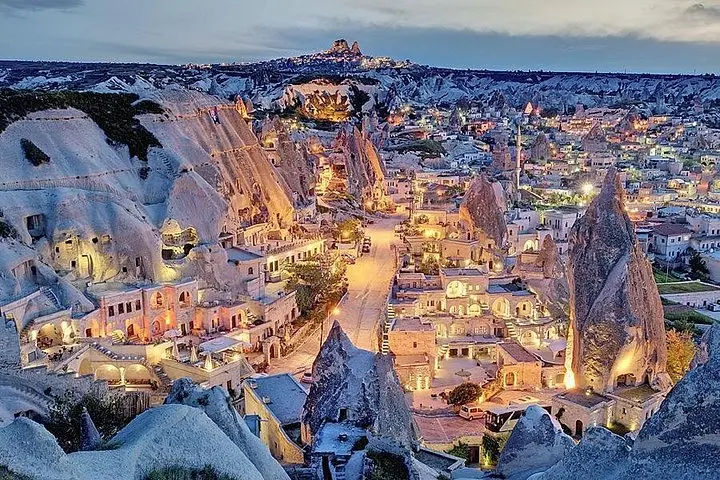
You step off the midday bus into a landscape that seems to rewrite the rules of geology: towers of rock rise like sculpted columns, valleys cut with the patience of glaciers, and homes carved into stone stare back like weathered faces. The guide meets you at Nevşehir station and, within hours, you’re threading between hoodoos in Pasabag and watching sunlight edge across the ribbed slopes of Devrent Valley. In two days, the region imposes its character on you—ancient dwellings, working vineyards, and the slow choreography of village life.
Verified experiences and guided adventures in the surrounding area.
Operated by Yuki Tours · Göreme, Nevşehir Province
You step off the midday bus into a landscape that seems to rewrite the rules of geology: towers of rock rise like sculpted columns, valleys cut with the patience of glaciers, and homes carved into stone stare back like weathered faces. The guide meets you at Nevşehir station and, within hours, you’re threading between hoodoos in Pasabag and watching sunlight edge across the ribbed slopes of Devrent Valley. In two days, the region imposes its character on you—ancient dwellings, working vineyards, and the slow choreography of village life.
Cappadocia’s story is both human and volcanic. Millions of years ago, ash from Erciyes and Hasan volcanoes settled and compacted into tuff, a soft rock that erodes into columns and cones. Locals learned to carve that tuff into churches, pigeon houses and entire underground cities—ingenious refuges from invasion and climate. Avanos, with pottery traditions stretching back to the Bronze Age, still pulls clay from the Kızılırmak (Red River) and spins it on primitive wheels the way artisans have for millennia.
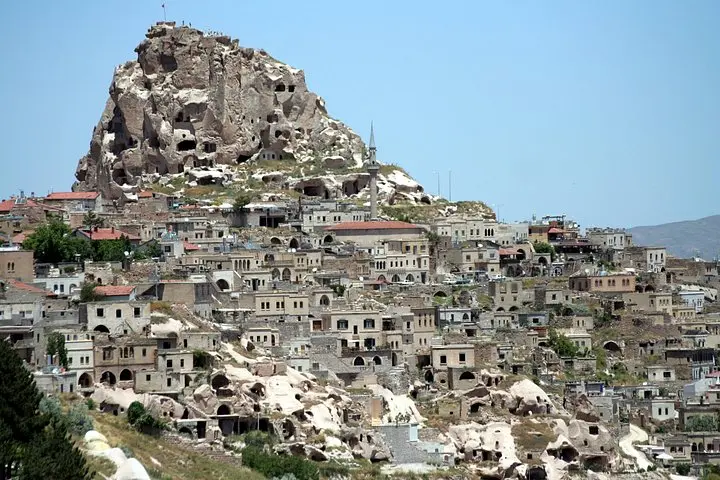
On day one the half-day circuit threads Devrent, Pasabag and Uchisar—each site a different mood: whimsical animal-shaped formations, mushroom-topped chimneys, and the fortress-like overlook at Uchisar that reads like a medieval stronghold. The evening brings an overnight in a restored cave hotel, where modern comforts sit within carved stone rooms.
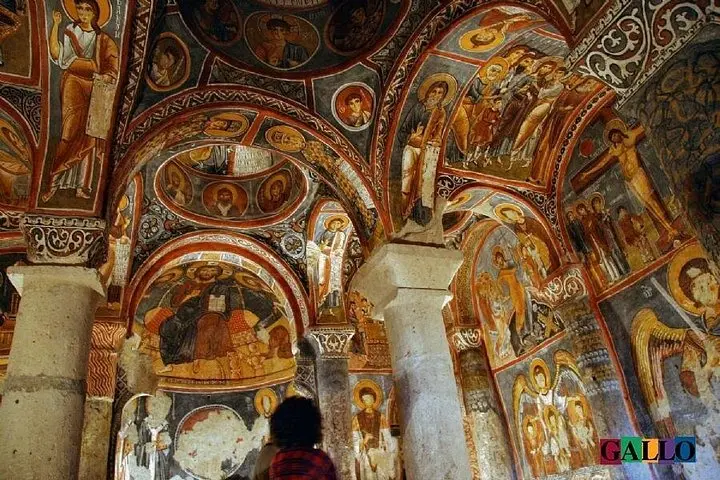
Day two pushes south: Rose Valley’s sloping trails open onto hidden rock-cut chapels and quiet vineyards where villagers still harvest grapes and apricots. The tour closes with a visit to one of Cappadocia’s deep underground cities—multi-level towns where ventilation shafts and narrow tunnels speak to centuries of adaptation.
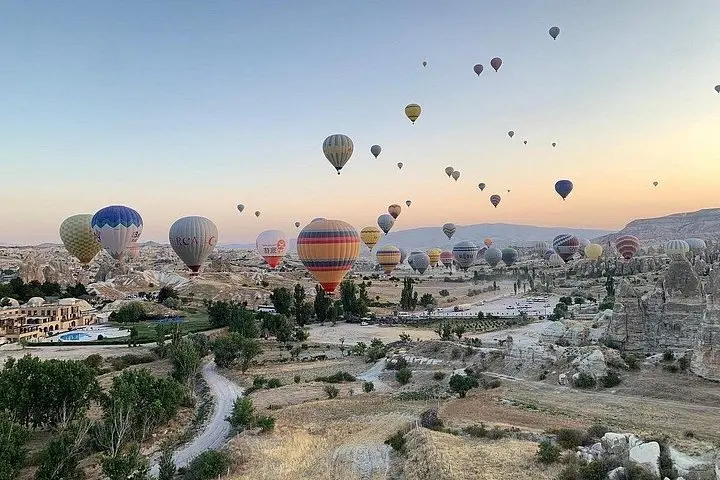
Practical edge: the hikes are short but uneven—expect loose scree, carved steps and some low ceilings in the underground city. Bring footwear with grip, a headlamp for tight staircases, and a daypack for water and snacks. The area is sun-exposed; mornings and late afternoons are sharply cooler than midday. If you want balloon photos, book a dawn launch separately; this bus tour gives good views but not the flight.
The route is designed for travelers who want immersive taste of Cappadocia without renting a car. Guides handle logistics and most entry fees included; public bus transport to and from Ankara is provided. For photographers, aim for sunrise in the valleys and the golden hour at Uchisar. For cultural curiosity, linger in Avanos’ pottery shops and chat with artisans—many will demonstrate techniques and offer small pieces for sale.
In short: two days of slow-motion wonder—rock that dares you to read its history, villages that keep ancient crafts alive, and underground rooms that remind you how people shaped their shelter from the land.
The tour provides morning bus transport from Ankara Bus Station (Aşti) and returns by public bus; be ready at the listed departure gate 41–42 at 07:00.
Yes—small vendors, pottery shops and some village stands prefer cash for purchases; card acceptance can be limited.
Cave hotels range from boutique to luxury; rooms are carved into tuff but often have modern plumbing, heating and comfortable bedding—breakfast is usually included.
Yes—most open sections are reinforced and guided; however, expect narrow passages and many stairs so those with severe claustrophobia or mobility issues should plan accordingly.
The tour passes viewpoints where balloons are visible at sunrise, but the itinerary does not include a balloon flight; book a separate dawn flight if you want to fly.
Lunch and breakfast are included as listed in the itinerary; bring snacks if you have specific dietary needs or preferences.
Yuki Tours operates guided outdoor trips and adventures with an emphasis on safety, stewardship, and memorable experiences.
You step off the midday bus into a landscape that seems to rewrite the rules of geology: towers of rock rise like sculpted columns, valleys cut with the patience of glaciers, and homes carved into stone stare back like weathered faces. The guide meets you at Nevşehir station and, within hours, you’re threading between hoodoos in Pasabag and watching sunlight edge across the ribbed slopes of Devrent Valley. In two days, the region imposes its character on you—ancient dwellings, working vineyards, and the slow choreography of village life.
You step off the midday bus into a landscape that seems to rewrite the rules of geology: towers of rock rise like sculpted columns, valleys cut with the patience of glaciers, and homes carved into stone stare back like weathered faces. The guide meets you at Nevşehir station and, within hours, you’re threading between hoodoos in Pasabag and watching sunlight edge across the ribbed slopes of Devrent Valley. In two days, the region imposes its character on you—ancient dwellings, working vineyards, and the slow choreography of village life.
Cappadocia’s story is both human and volcanic. Millions of years ago, ash from Erciyes and Hasan volcanoes settled and compacted into tuff, a soft rock that erodes into columns and cones. Locals learned to carve that tuff into churches, pigeon houses and entire underground cities—ingenious refuges from invasion and climate. Avanos, with pottery traditions stretching back to the Bronze Age, still pulls clay from the Kızılırmak (Red River) and spins it on primitive wheels the way artisans have for millennia.
On day one the half-day circuit threads Devrent, Pasabag and Uchisar—each site a different mood: whimsical animal-shaped formations, mushroom-topped chimneys, and the fortress-like overlook at Uchisar that reads like a medieval stronghold. The evening brings an overnight in a restored cave hotel, where modern comforts sit within carved stone rooms.
Day two pushes south: Rose Valley’s sloping trails open onto hidden rock-cut chapels and quiet vineyards where villagers still harvest grapes and apricots. The tour closes with a visit to one of Cappadocia’s deep underground cities—multi-level towns where ventilation shafts and narrow tunnels speak to centuries of adaptation.
Practical edge: the hikes are short but uneven—expect loose scree, carved steps and some low ceilings in the underground city. Bring footwear with grip, a headlamp for tight staircases, and a daypack for water and snacks. The area is sun-exposed; mornings and late afternoons are sharply cooler than midday. If you want balloon photos, book a dawn launch separately; this bus tour gives good views but not the flight.
The route is designed for travelers who want immersive taste of Cappadocia without renting a car. Guides handle logistics and most entry fees included; public bus transport to and from Ankara is provided. For photographers, aim for sunrise in the valleys and the golden hour at Uchisar. For cultural curiosity, linger in Avanos’ pottery shops and chat with artisans—many will demonstrate techniques and offer small pieces for sale.
In short: two days of slow-motion wonder—rock that dares you to read its history, villages that keep ancient crafts alive, and underground rooms that remind you how people shaped their shelter from the land.