THE ADVENTURE COLLECTIVE® · Independent discovery and booking for outdoor travel

Short on time but eager to see Cappadocia? This two-day Antalya-to-Cappadocia tour pairs a scenic overnight in a cave hotel with visits to fairy chimneys, an underground city, and an optional sunrise balloon flight—everything you need for a whirlwind introduction to one of Turkey’s most otherworldly regions.
Short on time but eager to see Cappadocia? This two-day Antalya-to-Cappadocia tour pairs a scenic overnight in a cave hotel with visits to fairy chimneys, an underground city, and an optional sunrise balloon flight—everything you need for a whirlwind introduction to one of Turkey’s most otherworldly regions.
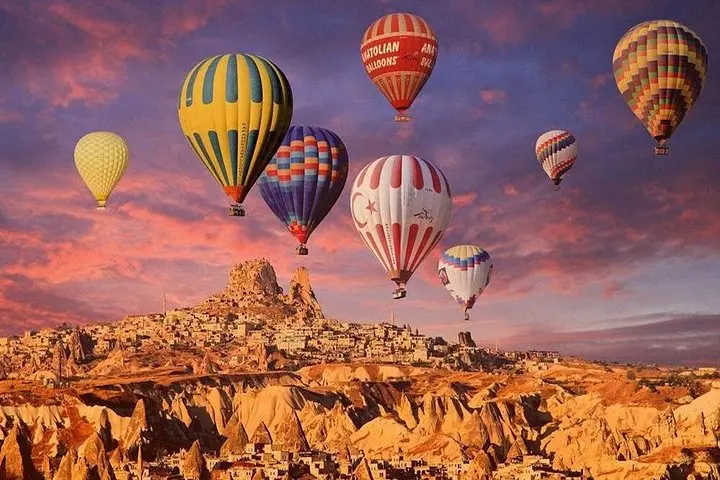
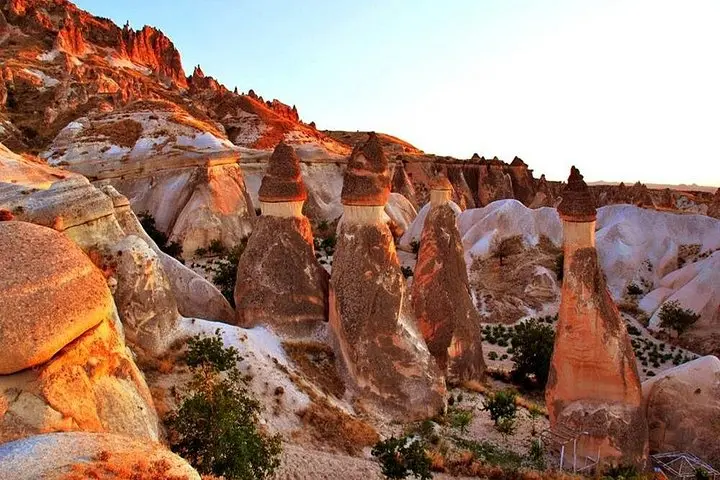
You step onto the coach in Antalya before dawn and the city’s hotel lights blur into a ribbon of amber as the van heads inland. The road climbs away from the Mediterranean, and by late afternoon the low hills of central Anatolia open into a moonscape of sculpted stone: Cappadocia. Fairy chimneys puncture the skyline like sentinels, cave dwellings cut into ochre cliffs, and the air takes on the dry, mineral scent of basalt and tufa.
Verified experiences and guided adventures in the surrounding area.
Operated by Payless · Göreme, Nevşehir Province
You step onto the coach in Antalya before dawn and the city’s hotel lights blur into a ribbon of amber as the van heads inland. The road climbs away from the Mediterranean, and by late afternoon the low hills of central Anatolia open into a moonscape of sculpted stone: Cappadocia. Fairy chimneys puncture the skyline like sentinels, cave dwellings cut into ochre cliffs, and the air takes on the dry, mineral scent of basalt and tufa.
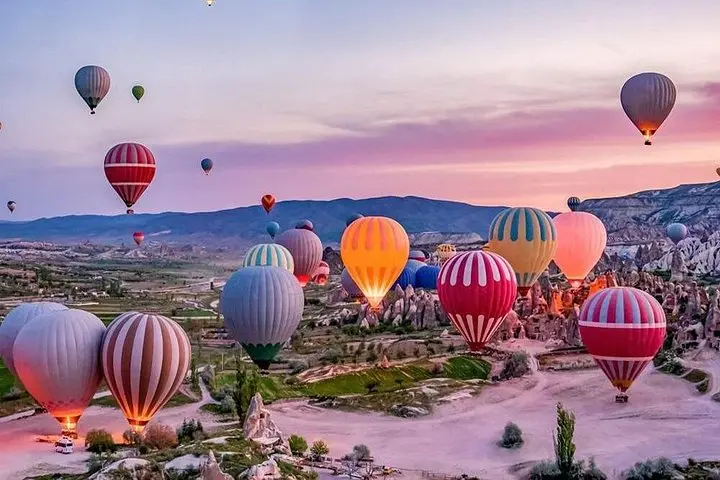
This compact two-day loop packs the region’s essentials. Day one is a long but comfortable transfer—roughly 8 hours and about 540 km—to the Göreme–Uchisar area, with a stop at Tatlarin Underground City where narrow passages and carved rooms offer a window into early medieval survival strategies. You dine and sleep in a cave hotel—stone-smoothed rooms that retain winter warmth and summer cool—then rise before sunrise if you’ve added the iconic hot-air balloon: 45–60 minutes of silent drift over pillow-shaped valleys, then coffee and customary certificates back on terra firma.
Geologically, Cappadocia is the work of volcanic ash compacted into soft tuff, later eroded by wind and rain into cones, pillars, and mushroom-capped chimneys. Human history here is similarly layered: Hittite horizons, Roman-era Christian frescoes tucked in hidden churches, and Byzantine-era underground refuges carved to escape raids. Avanos, on the Kızılırmak river, keeps a living pottery tradition—red-clay wares thrown on kick wheels that haven’t changed in centuries.
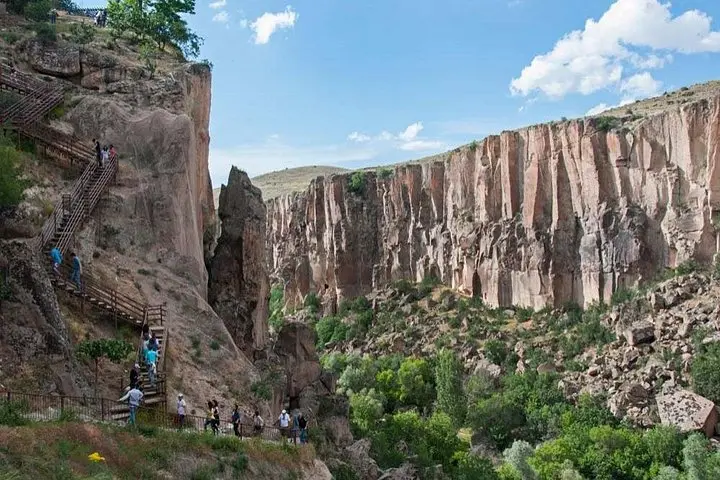
Practicalities matter on a trip like this. Expect uneven paths and short hikes—Love Valley loops of 3–5 km with 100–200 m of loose-scree elevation change, and Pigeon Valley single-ascent viewpoints to Uchisar that demand steady shoes and steady footing. The underground city includes ladders and low tunnels; it’s not recommended for those with serious back or heart problems or claustrophobia.
Book the balloon early: capacity is limited and flights sell out, especially in high season. Bring layers—temperatures swing quickly between dawn and midday at 1,100–1,400 m elevation. Carry sunscreen, water, and cash for small purchases in Avanos or at roadside stalls. If you want photography, plan the balloon or Uchisar sunrise for the clearest light; Devrent Valley rewards late-afternoon shadows that reveal form.
This tour condenses Cappadocia into an accessible two-day primer—long miles, short walks, and unforgettable skylines. It’s a practical way to check the region off your list without sacrificing the small details that make this plateau one of Turkey’s most singular landscapes.
The coach journey is approximately 8 hours (around 540 km) with scheduled rest stops; travel time can vary with traffic and road conditions.
No—the sunrise hot-air balloon is optional and available at an additional cost; it must be booked in advance and is weather-dependent.
Yes—cave hotels offer modern amenities, insulated stone rooms, and on-site dining; options vary from basic 3-star rooms to more upscale cave suites.
Children can join but must present passports for museum entries; the underground city and balloon flights may have age or height restrictions—check with the operator.
Not recommended for those with serious mobility, spinal, or cardiovascular conditions due to stairs, uneven terrain, and long coach transfers.
Turkish lira (TRY) is preferred for small purchases and tips; credit cards are widely accepted in hotels and larger shops but less so at markets.
Payless operates guided outdoor trips and adventures with an emphasis on safety, stewardship, and memorable experiences.
You step onto the coach in Antalya before dawn and the city’s hotel lights blur into a ribbon of amber as the van heads inland. The road climbs away from the Mediterranean, and by late afternoon the low hills of central Anatolia open into a moonscape of sculpted stone: Cappadocia. Fairy chimneys puncture the skyline like sentinels, cave dwellings cut into ochre cliffs, and the air takes on the dry, mineral scent of basalt and tufa.
You step onto the coach in Antalya before dawn and the city’s hotel lights blur into a ribbon of amber as the van heads inland. The road climbs away from the Mediterranean, and by late afternoon the low hills of central Anatolia open into a moonscape of sculpted stone: Cappadocia. Fairy chimneys puncture the skyline like sentinels, cave dwellings cut into ochre cliffs, and the air takes on the dry, mineral scent of basalt and tufa.
This compact two-day loop packs the region’s essentials. Day one is a long but comfortable transfer—roughly 8 hours and about 540 km—to the Göreme–Uchisar area, with a stop at Tatlarin Underground City where narrow passages and carved rooms offer a window into early medieval survival strategies. You dine and sleep in a cave hotel—stone-smoothed rooms that retain winter warmth and summer cool—then rise before sunrise if you’ve added the iconic hot-air balloon: 45–60 minutes of silent drift over pillow-shaped valleys, then coffee and customary certificates back on terra firma.
Geologically, Cappadocia is the work of volcanic ash compacted into soft tuff, later eroded by wind and rain into cones, pillars, and mushroom-capped chimneys. Human history here is similarly layered: Hittite horizons, Roman-era Christian frescoes tucked in hidden churches, and Byzantine-era underground refuges carved to escape raids. Avanos, on the Kızılırmak river, keeps a living pottery tradition—red-clay wares thrown on kick wheels that haven’t changed in centuries.
Practicalities matter on a trip like this. Expect uneven paths and short hikes—Love Valley loops of 3–5 km with 100–200 m of loose-scree elevation change, and Pigeon Valley single-ascent viewpoints to Uchisar that demand steady shoes and steady footing. The underground city includes ladders and low tunnels; it’s not recommended for those with serious back or heart problems or claustrophobia.
Book the balloon early: capacity is limited and flights sell out, especially in high season. Bring layers—temperatures swing quickly between dawn and midday at 1,100–1,400 m elevation. Carry sunscreen, water, and cash for small purchases in Avanos or at roadside stalls. If you want photography, plan the balloon or Uchisar sunrise for the clearest light; Devrent Valley rewards late-afternoon shadows that reveal form.
This tour condenses Cappadocia into an accessible two-day primer—long miles, short walks, and unforgettable skylines. It’s a practical way to check the region off your list without sacrificing the small details that make this plateau one of Turkey’s most singular landscapes.