THE ADVENTURE COLLECTIVE® · Independent discovery and booking for outdoor travel

Spend two days moving from the vibrant highland market of Chichicastenango to the volcanic shores of Lake Atitlán. This compact tour mixes artisan markets, colonial history, and a public boat ride to Santiago Atitlán.
Spend two days moving from the vibrant highland market of Chichicastenango to the volcanic shores of Lake Atitlán. This compact tour mixes artisan markets, colonial history, and a public boat ride to Santiago Atitlán.
A cold mountain wind meets the bus as it leaves Antigua, and by midmorning the road climbs through pine forests that smell of resin and smoke. Vendors in the highland town of Chichicastenango assemble colorful stalls on the church plaza; the market pulses with barter, woven huipiles, and the steady clack of wooden looms. This is a market that still runs on rhythm — Thursdays and Sundays draw the largest crowds — and it sets the tone for a trip that shifts from highland commerce to volcanic water.
Verified experiences and guided adventures in the surrounding area.
Operated by Gray Line Guatemala · Antigua Guatemala, Sacatepéquez
A cold mountain wind meets the bus as it leaves Antigua, and by midmorning the road climbs through pine forests that smell of resin and smoke. Vendors in the highland town of Chichicastenango assemble colorful stalls on the church plaza; the market pulses with barter, woven huipiles, and the steady clack of wooden looms. This is a market that still runs on rhythm — Thursdays and Sundays draw the largest crowds — and it sets the tone for a trip that shifts from highland commerce to volcanic water.
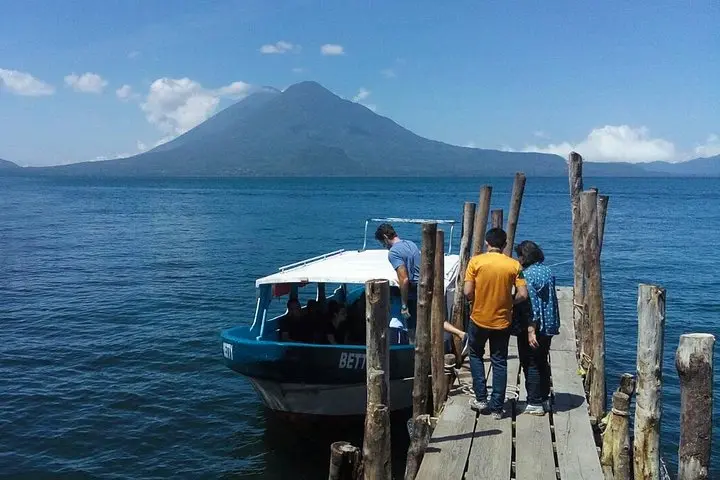
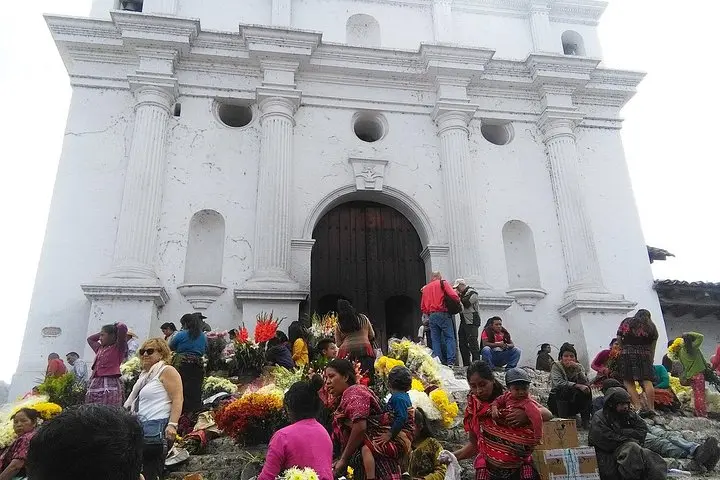
The tour stitches together two distinct pieces of Guatemala’s highlands. Chichicastenango sits on Quiché Maya ground and developed around Santo Tomás church, a colonial structure built over an earlier ceremonial platform; its market culture preserves indigenous trade routes and craft techniques used for centuries. Lake Atitlán, carved by volcanic collapse and ringed by three volcanoes (Atitlán, Tolimán, San Pedro), frames the second day. Traveling by public launch to Santiago Atitlán gives a front-row view of tectonic geology and living Tz’utujil culture, where Maximon shrines and embroidered huipiles remain central to community life.
Practically: expect moderate walking, uneven cobbles in market streets, short public-boat crossings, and open-air markets with limited shade. Bring cash in small bills, a secure daypack, and footwear suited to wet stones and stairs. Timed pickups and luggage limits mean light packing; the operator does not include lodging or most meals. The itinerary suits travelers who want a compact mix of cultural immersion and lakeside scenery without technical skills — just curiosity and steady shoes.
No — the tour includes transfers, guides, and a lake boat but does not provide lodging; you will spend the night in Panajachel on your own.
Most meals are not included; the itinerary notes opportunities to buy lunch in both Chichicastenango and Panajachel.
Each traveler is allowed one suitcase and one carry-on; oversized items such as surfboards or bikes may be restricted — confirm with the operator before travel.
The tour involves walking on uneven surfaces, stairs, and boat boarding; it is not recommended for travelers with serious back problems or limited mobility.
Gray Line Guatemala operates guided outdoor trips and adventures with an emphasis on safety, stewardship, and memorable experiences.
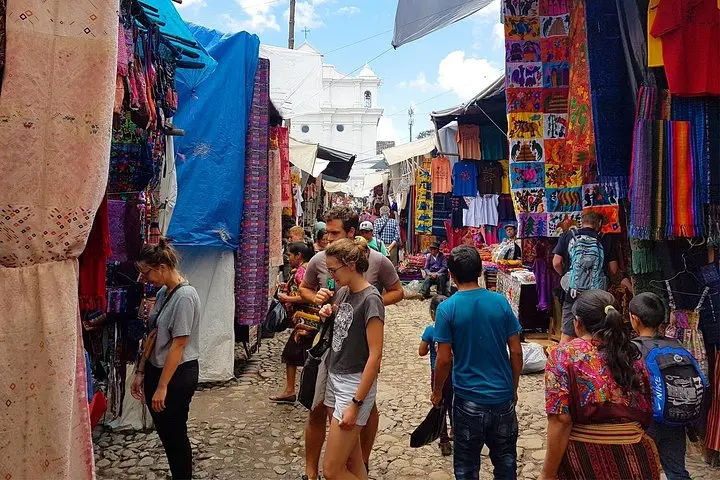

A cold mountain wind meets the bus as it leaves Antigua, and by midmorning the road climbs through pine forests that smell of resin and smoke. Vendors in the highland town of Chichicastenango assemble colorful stalls on the church plaza; the market pulses with barter, woven huipiles, and the steady clack of wooden looms. This is a market that still runs on rhythm — Thursdays and Sundays draw the largest crowds — and it sets the tone for a trip that shifts from highland commerce to volcanic water.
A cold mountain wind meets the bus as it leaves Antigua, and by midmorning the road climbs through pine forests that smell of resin and smoke. Vendors in the highland town of Chichicastenango assemble colorful stalls on the church plaza; the market pulses with barter, woven huipiles, and the steady clack of wooden looms. This is a market that still runs on rhythm — Thursdays and Sundays draw the largest crowds — and it sets the tone for a trip that shifts from highland commerce to volcanic water.
The tour stitches together two distinct pieces of Guatemala’s highlands. Chichicastenango sits on Quiché Maya ground and developed around Santo Tomás church, a colonial structure built over an earlier ceremonial platform; its market culture preserves indigenous trade routes and craft techniques used for centuries. Lake Atitlán, carved by volcanic collapse and ringed by three volcanoes (Atitlán, Tolimán, San Pedro), frames the second day. Traveling by public launch to Santiago Atitlán gives a front-row view of tectonic geology and living Tz’utujil culture, where Maximon shrines and embroidered huipiles remain central to community life.
Practically: expect moderate walking, uneven cobbles in market streets, short public-boat crossings, and open-air markets with limited shade. Bring cash in small bills, a secure daypack, and footwear suited to wet stones and stairs. Timed pickups and luggage limits mean light packing; the operator does not include lodging or most meals. The itinerary suits travelers who want a compact mix of cultural immersion and lakeside scenery without technical skills — just curiosity and steady shoes.