THE ADVENTURE COLLECTIVE® · Independent discovery and booking for outdoor travel
Listen for the chimps at first light and follow experienced guides through hill-sliced rainforest on a focused two-day trek in Kibale. This short safari pairs high-probability chimp encounters with village visits and crater-lake viewpoints.
Listen for the chimps at first light and follow experienced guides through hill-sliced rainforest on a focused two-day trek in Kibale. This short safari pairs high-probability chimp encounters with village visits and crater-lake viewpoints.
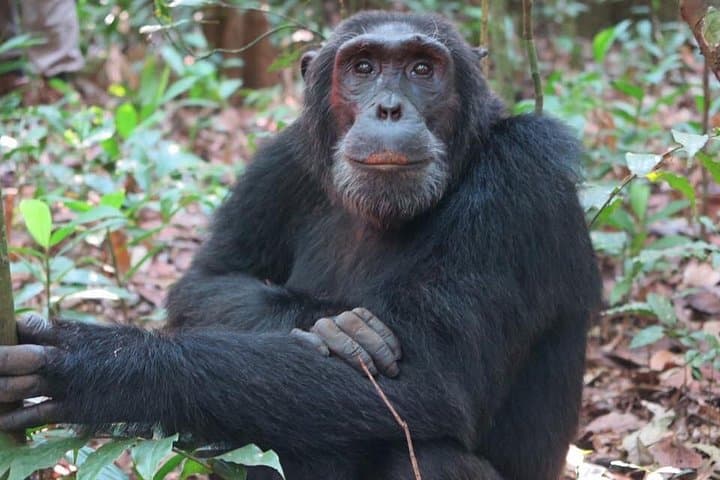
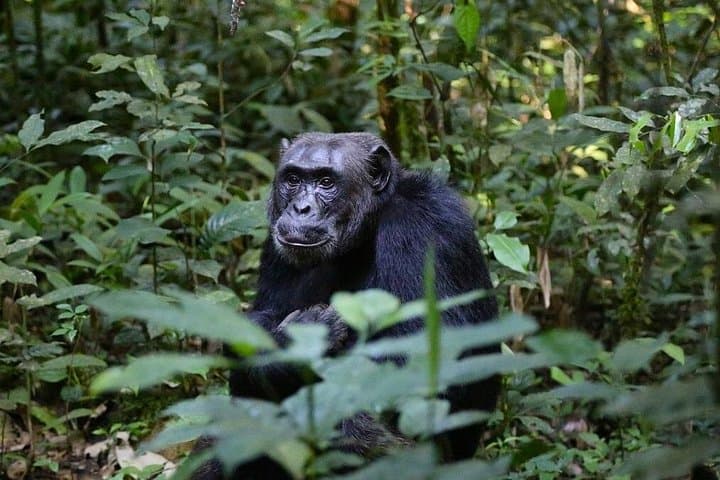
Dawn breaks in the lowland rainforest and the canopy stirs — a distant chimp call threads through thick, humid air as you step off the trail at Kanyanchu. The forest presses close: buttress roots, dripping ferns, and a carpet of leaf litter that hushes footsteps. Over the next two days the park pulls you into a close-up of primate life and western Uganda’s volcanic landscape.
Verified experiences and guided adventures in the surrounding area.
Operated by Inspire African Safaris · Fort Portal, Western Region
Dawn breaks in the lowland rainforest and the canopy stirs — a distant chimp call threads through thick, humid air as you step off the trail at Kanyanchu. The forest presses close: buttress roots, dripping ferns, and a carpet of leaf litter that hushes footsteps. Over the next two days the park pulls you into a close-up of primate life and western Uganda’s volcanic landscape.
Kibale Forest sits on an uplifted block of ancient volcanic soils that feed a network of crater lakes around Fort Portal. The area has long been home to the Batoro and Bakiga communities; today local guides and park fees help fund conservation and village programs. Chimpanzee tracking began as a blend of research and ecotourism in the 1970s and Kibale is now one of East Africa’s premier sites for habituated chimp encounters.
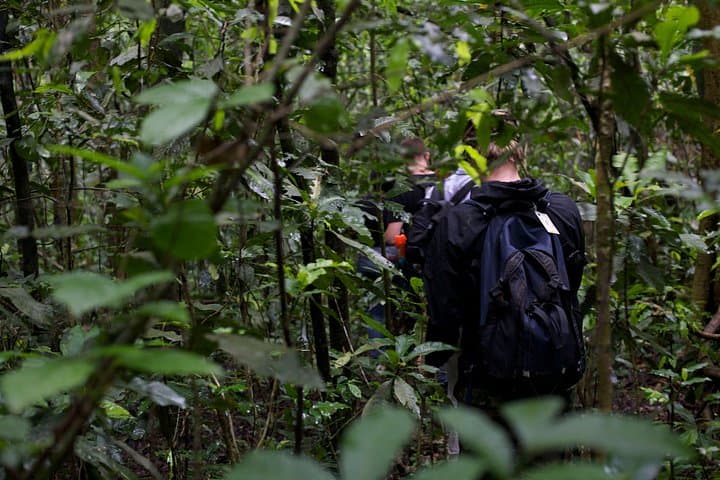
Expect forest trails that range from well-worn footpaths to steeper, muddy sections where roots and stones challenge each step. Tracking typically runs 2–6 hours depending on chimp movement; your briefing at 8:00 a.m. explains rules — stay quiet, keep distance, and follow the guide’s lead. Alongside chimps you’ll spot red colobus, L’Hoest’s monkeys, and a dense bird list; butterflies and insect choruses give the understory constant motion.
Practical: permits are included in the package; wear grippy trekking shoes, bring a lightweight rain shell, insect repellent, and plenty of water. Plan for tropical humidity — short, sharp bursts of exertion are normal — and factor travel time from Kampala (4–5 hours). With a private guide and lodge stay, this short safari balances high-impact wildlife viewing with straightforward logistics, ideal for travelers seeking a concentrated, responsible chimp experience.
Yes — the advertised price includes the chimp tracking permit; bring required ID and arrive for the 08:00 briefing at Kanyanchu.
Tracking difficulty varies: sessions can be short and easy or several hours over uneven, sometimes steep terrain; a moderate fitness level and sure-footed shoes are recommended.
Kibale hosts red colobus and L’Hoest’s monkeys, forest antelopes occasionally, and a rich bird community including turacos and sunbirds.
Dry months (June–August and December–February) reduce mud and improve walking conditions, but chimp sightings remain good year-round.
Inspire African Safaris operates guided outdoor trips and adventures with an emphasis on safety, stewardship, and memorable experiences.

Dawn breaks in the lowland rainforest and the canopy stirs — a distant chimp call threads through thick, humid air as you step off the trail at Kanyanchu. The forest presses close: buttress roots, dripping ferns, and a carpet of leaf litter that hushes footsteps. Over the next two days the park pulls you into a close-up of primate life and western Uganda’s volcanic landscape.
Dawn breaks in the lowland rainforest and the canopy stirs — a distant chimp call threads through thick, humid air as you step off the trail at Kanyanchu. The forest presses close: buttress roots, dripping ferns, and a carpet of leaf litter that hushes footsteps. Over the next two days the park pulls you into a close-up of primate life and western Uganda’s volcanic landscape.
Kibale Forest sits on an uplifted block of ancient volcanic soils that feed a network of crater lakes around Fort Portal. The area has long been home to the Batoro and Bakiga communities; today local guides and park fees help fund conservation and village programs. Chimpanzee tracking began as a blend of research and ecotourism in the 1970s and Kibale is now one of East Africa’s premier sites for habituated chimp encounters.
Expect forest trails that range from well-worn footpaths to steeper, muddy sections where roots and stones challenge each step. Tracking typically runs 2–6 hours depending on chimp movement; your briefing at 8:00 a.m. explains rules — stay quiet, keep distance, and follow the guide’s lead. Alongside chimps you’ll spot red colobus, L’Hoest’s monkeys, and a dense bird list; butterflies and insect choruses give the understory constant motion.
Practical: permits are included in the package; wear grippy trekking shoes, bring a lightweight rain shell, insect repellent, and plenty of water. Plan for tropical humidity — short, sharp bursts of exertion are normal — and factor travel time from Kampala (4–5 hours). With a private guide and lodge stay, this short safari balances high-impact wildlife viewing with straightforward logistics, ideal for travelers seeking a concentrated, responsible chimp experience.
