THE ADVENTURE COLLECTIVE® · Independent discovery and booking for outdoor travel

Two days of high Andean passes, vicuña country and the Colca Canyon’s legendary condors—this group tour from Arequipa combines dramatic viewpoints, pre-Inca terraces and a night in a mountain lodge. Read on for what to expect and how to prepare.
Two days of high Andean passes, vicuña country and the Colca Canyon’s legendary condors—this group tour from Arequipa combines dramatic viewpoints, pre-Inca terraces and a night in a mountain lodge. Read on for what to expect and how to prepare.
Dawn breaks over the altiplano as the minivan pulls out of Arequipa and the volcanoes—Misti, Chachani and Pichu Pichu—watch the road. The first day climbs across Pampa Cañahuas, a windswept reserve where vicuñas dot the grass like sentries and lakes mirror a vast, cold sky. The vehicle rises to Pata Pampa at about 4,820 m, a raw, thin-air ridge that makes every breath deliberate and the distant peaks of Ampato and Sabancaya seem close enough to touch.
Verified experiences and guided adventures in the surrounding area.
Operated by Valencia Travel Agency S.a.c. · Chivay, Arequipa
Dawn breaks over the altiplano as the minivan pulls out of Arequipa and the volcanoes—Misti, Chachani and Pichu Pichu—watch the road. The first day climbs across Pampa Cañahuas, a windswept reserve where vicuñas dot the grass like sentries and lakes mirror a vast, cold sky. The vehicle rises to Pata Pampa at about 4,820 m, a raw, thin-air ridge that makes every breath deliberate and the distant peaks of Ampato and Sabancaya seem close enough to touch.
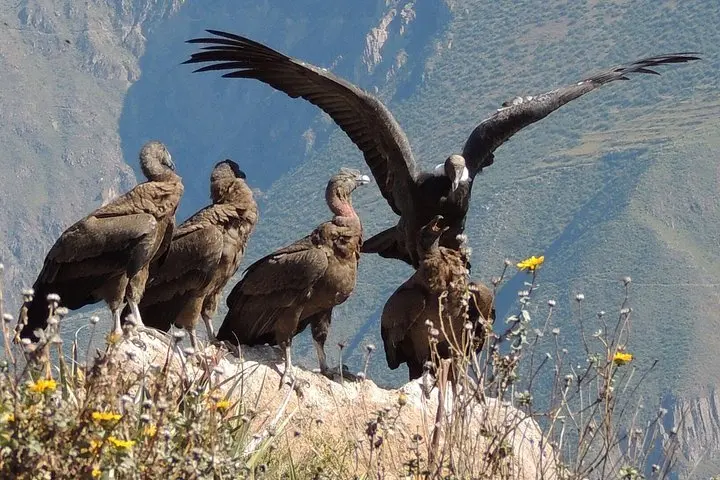
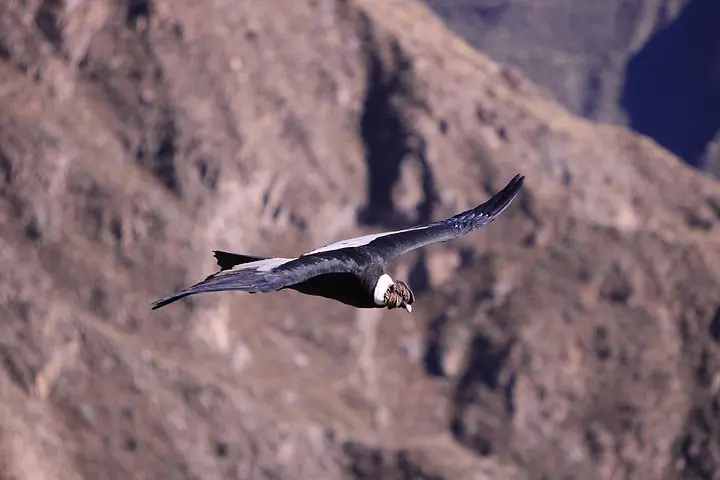
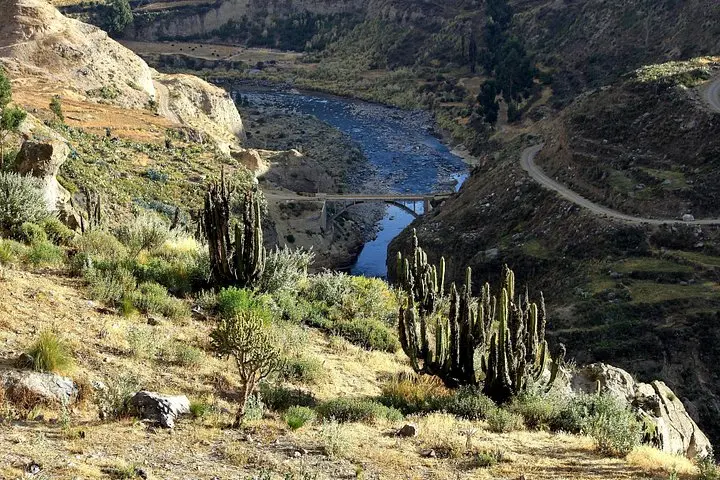
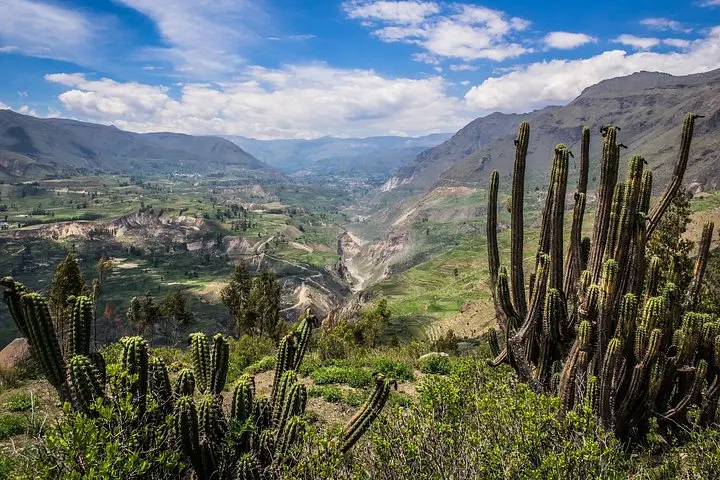
The Colca Valley itself is carved more than 3,100 m deep from rim to river; at Cruz del Condor on day two the canyon gorge opens, and the thermals push condors into wide, effortless circles. This landscape is older than the Inca—pre-Inca Collagua and Cabana peoples engineered the multicolored terraces you’ll see at Antahuilque and Pinchollo, stonework that still shapes local agriculture.
Expect high plains, paved and gravel roads, short village walks (1 hour), a hot spring soak option, and one night in a simple lodge in Coporaque/Chivay. Altitude is the variable that shapes the trip: pacing, hydration, and an early start for the condor viewing are essential.
Practical tips: dress in layers for dramatic temperature swings, bring a refillable water bottle and altitude remedies (coca tea helps many travelers), and carry sun protection—UV is strong at 3,400–4,800 m. The itinerary covers roughly 160 km from Arequipa to Chivay each way with multiple stops, so plan for long drives interspersed with short hikes and photo viewpoints.
You’ll travel from Arequipa (~2,300 m) up to high passes around 4,820 m and spend time in Chivay (~3,650 m); plan for significant altitude gain over short periods.
The tour includes one breakfast and one night’s hotel accommodation; lunches and some entrance fees (hot springs, optional meals) are typically not included.
Common sightings include vicuñas on the altiplano and a variety of high-Andean birds; condors are visible at Cruz del Condor when weather permits.
Minimum age is generally 10; however, children should be comfortable with long drives and altitude-related challenges.
Valencia Travel Agency S.a.c. operates guided outdoor trips and adventures with an emphasis on safety, stewardship, and memorable experiences.
Dawn breaks over the altiplano as the minivan pulls out of Arequipa and the volcanoes—Misti, Chachani and Pichu Pichu—watch the road. The first day climbs across Pampa Cañahuas, a windswept reserve where vicuñas dot the grass like sentries and lakes mirror a vast, cold sky. The vehicle rises to Pata Pampa at about 4,820 m, a raw, thin-air ridge that makes every breath deliberate and the distant peaks of Ampato and Sabancaya seem close enough to touch.
Dawn breaks over the altiplano as the minivan pulls out of Arequipa and the volcanoes—Misti, Chachani and Pichu Pichu—watch the road. The first day climbs across Pampa Cañahuas, a windswept reserve where vicuñas dot the grass like sentries and lakes mirror a vast, cold sky. The vehicle rises to Pata Pampa at about 4,820 m, a raw, thin-air ridge that makes every breath deliberate and the distant peaks of Ampato and Sabancaya seem close enough to touch.
The Colca Valley itself is carved more than 3,100 m deep from rim to river; at Cruz del Condor on day two the canyon gorge opens, and the thermals push condors into wide, effortless circles. This landscape is older than the Inca—pre-Inca Collagua and Cabana peoples engineered the multicolored terraces you’ll see at Antahuilque and Pinchollo, stonework that still shapes local agriculture.
Expect high plains, paved and gravel roads, short village walks (1 hour), a hot spring soak option, and one night in a simple lodge in Coporaque/Chivay. Altitude is the variable that shapes the trip: pacing, hydration, and an early start for the condor viewing are essential.
Practical tips: dress in layers for dramatic temperature swings, bring a refillable water bottle and altitude remedies (coca tea helps many travelers), and carry sun protection—UV is strong at 3,400–4,800 m. The itinerary covers roughly 160 km from Arequipa to Chivay each way with multiple stops, so plan for long drives interspersed with short hikes and photo viewpoints.