THE ADVENTURE COLLECTIVE® · Independent discovery and booking for outdoor travel

Two days of high-Andean scenery, thermal springs and the chance to see Andean condors in flight: this tour moves from Arequipa through Chivay to Puno with curated stops at viewpoints, colonial towns and wildlife-rich plateaus. Read on for what to expect, how to prepare for altitude, and practical tips for the road.
Two days of high-Andean scenery, thermal springs and the chance to see Andean condors in flight: this tour moves from Arequipa through Chivay to Puno with curated stops at viewpoints, colonial towns and wildlife-rich plateaus. Read on for what to expect, how to prepare for altitude, and practical tips for the road.
At dawn the bus climbs above the white roofs of Chivay and the high plateau opens—winds that seem to push you forward along a road edged with llamas and weathered volcanic ridges. By sunrise the Cruz del Condor viewpoint presents the canyon: a knife of rock dropping into shadow where Andean condors wheel and dare the thermals.
Verified experiences and guided adventures in the surrounding area.
Operated by Peru Sceneries · Chivay, Arequipa
At dawn the bus climbs above the white roofs of Chivay and the high plateau opens—winds that seem to push you forward along a road edged with llamas and weathered volcanic ridges. By sunrise the Cruz del Condor viewpoint presents the canyon: a knife of rock dropping into shadow where Andean condors wheel and dare the thermals.
The Colca's canyon has been carved by the Colca River across volcanic and sedimentary layers over millions of years; its terraces record Collagua and Cabana communities who farmed these slopes for centuries. Colonial churches in nearby Maca and ornate altarpieces reflect a fusion of Spanish Catholicism and Andean craft. Geology here alternates pumice, ash and hardened lava, producing abrupt cliffs and fertile terraces.
Expect wide, high-altitude landscapes—open puna grasslands, terraced ag fields, and thermal springs downstream in La Calera. Wildlife punctuates the journey: herds of alpacas and vicuñas, migratory flamingos on the plateau lagoons, and the flagship condor riding updrafts at the main lookout.
Practical guidance: acclimatize in Arequipa or Chivay before early starts, carry layers for 4,900 m viewpoints, and bring water and sun protection; mornings are cold and afternoons can be surprisingly strong with sun and wind. Plan for a two-day rhythm: a scenic transfer with wildlife stops, an overnight in Chivay and a second-day canyon circuit ending with a transfer to Puno. Travel insurance, copies of documents and moderate fitness ensure the trip feels adventurous rather than punishing. Bring a camera and binoculars to make most of each condor sighting.
Some travelers experience mild symptoms; resting, hydrating and avoiding alcohol before the trip reduces risk—inform guides if you have concerns.
Pickup is arranged in Arequipa and the tour concludes with drop-off in Puno on day two.
Specific inclusions vary by operator—confirm at booking; typical packages include transport, guide and some stops but not all personal meals.
The tour notes it is not recommended for pregnant travelers; infants may need to sit on an adult's lap—check operator policies for children.
Peru Sceneries operates guided outdoor trips and adventures with an emphasis on safety, stewardship, and memorable experiences.
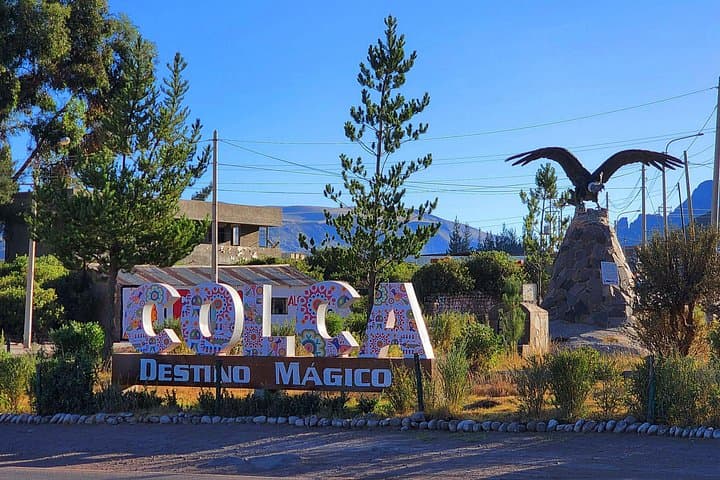


At dawn the bus climbs above the white roofs of Chivay and the high plateau opens—winds that seem to push you forward along a road edged with llamas and weathered volcanic ridges. By sunrise the Cruz del Condor viewpoint presents the canyon: a knife of rock dropping into shadow where Andean condors wheel and dare the thermals.
At dawn the bus climbs above the white roofs of Chivay and the high plateau opens—winds that seem to push you forward along a road edged with llamas and weathered volcanic ridges. By sunrise the Cruz del Condor viewpoint presents the canyon: a knife of rock dropping into shadow where Andean condors wheel and dare the thermals.
The Colca's canyon has been carved by the Colca River across volcanic and sedimentary layers over millions of years; its terraces record Collagua and Cabana communities who farmed these slopes for centuries. Colonial churches in nearby Maca and ornate altarpieces reflect a fusion of Spanish Catholicism and Andean craft. Geology here alternates pumice, ash and hardened lava, producing abrupt cliffs and fertile terraces.
Expect wide, high-altitude landscapes—open puna grasslands, terraced ag fields, and thermal springs downstream in La Calera. Wildlife punctuates the journey: herds of alpacas and vicuñas, migratory flamingos on the plateau lagoons, and the flagship condor riding updrafts at the main lookout.
Practical guidance: acclimatize in Arequipa or Chivay before early starts, carry layers for 4,900 m viewpoints, and bring water and sun protection; mornings are cold and afternoons can be surprisingly strong with sun and wind. Plan for a two-day rhythm: a scenic transfer with wildlife stops, an overnight in Chivay and a second-day canyon circuit ending with a transfer to Puno. Travel insurance, copies of documents and moderate fitness ensure the trip feels adventurous rather than punishing. Bring a camera and binoculars to make most of each condor sighting.