THE ADVENTURE COLLECTIVE® · Independent discovery and booking for outdoor travel

Escape Zanzibar’s beaches for two days of concentrated safari—elephant herds and baobabs in Tarangire, then the world-famous Ngorongoro Crater with its high density of wildlife. This fly-in itinerary maximizes game-viewing while minimizing road time.
Escape Zanzibar’s beaches for two days of concentrated safari—elephant herds and baobabs in Tarangire, then the world-famous Ngorongoro Crater with its high density of wildlife. This fly-in itinerary maximizes game-viewing while minimizing road time.
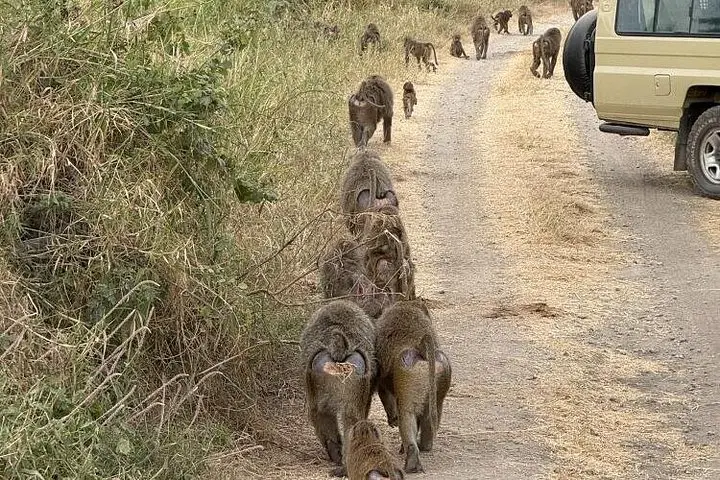
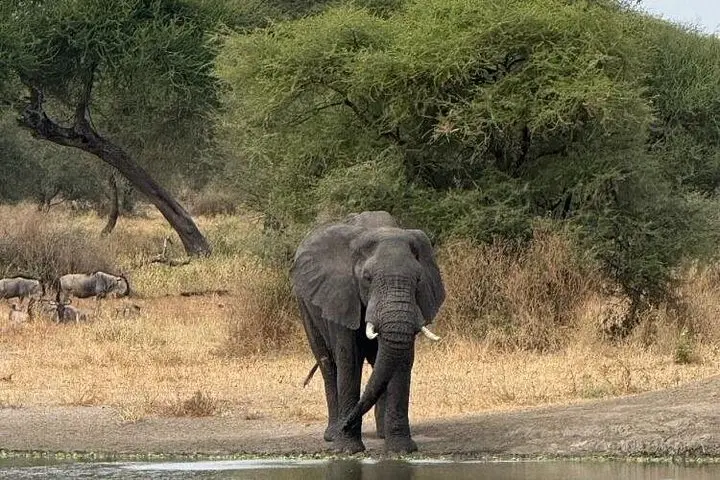
You step off a short morning flight into the dry heat of northern Tanzania and the road opens up—acacia-studded plains roll past the vehicle as your guide eyes distant silhouettes: elephants threading between ancient baobabs in Tarangire.
Verified experiences and guided adventures in the surrounding area.
Operated by OLDBEAST VACATIONS · Arusha, Arusha Region
You step off a short morning flight into the dry heat of northern Tanzania and the road opens up—acacia-studded plains roll past the vehicle as your guide eyes distant silhouettes: elephants threading between ancient baobabs in Tarangire.
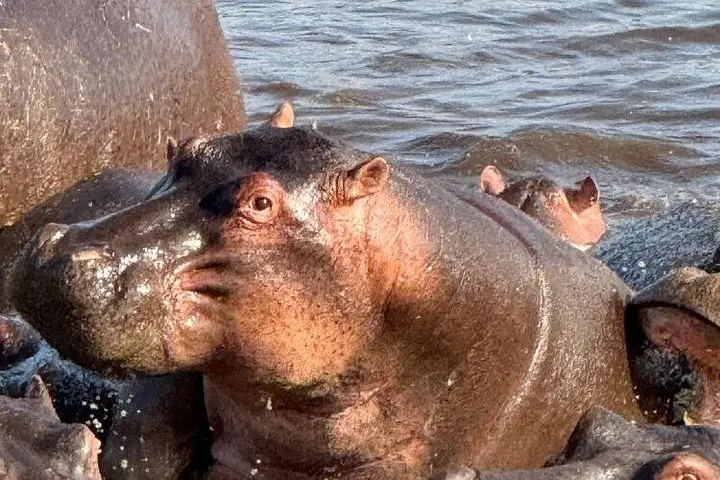
Tarangire’s landscape is low-lying savanna (roughly 900–1,300 m) carved by the seasonal Tarangire River; it’s a place of concentrated wildlife in the dry months. The next day you descend into Ngorongoro’s bowl—a volcanic caldera whose rim sits around 2,200–2,400 m and whose floor cradles dense populations of grazing herbivores and resident predators. The crater is a geological basin carved by volcanic collapse, now a micro-ecosystem that supports hippos, flamingos, and frequently the Big Five.
Culturally, your route threads through Maasai country and towns like Mto wa Mbu where market stalls and roadside fruit reveal everyday life beyond the reserves. Lodging is lodge-based with en-suite rooms; expect early starts (game drives often begin at dawn), long stretches in a 4x4, and picnic lunches on the plains or the crater rim.
Practical guidance: confirm what park fees the operator includes, check baggage limits on the domestic flight, and carry a compact daypack with binoculars, water, sunscreen, and layered clothing for big temperature swings between low-lying Tarangire and the cooler crater rim. Bring charged camera batteries and a memory card—wildlife encounters are frequent but fleeting. Travel light, stay patient, and let the landscape dictate the pace.
The itinerary lists Ngorongoro admission as included; confirm with the operator whether Tarangire park fees and any conservation surcharges are covered before travel.
The scheduled domestic flight is typically around 1–1.5 hours; arrival and departure times are coordinated with your transfers and game drives.
Vaccination and malaria recommendations change—check current guidance from your health provider and carry any required certificates; anti-malarial prophylaxis is commonly advised for northern Tanzania.
The dry season (June–October) concentrates animals near water and generally provides the best, most reliable viewing; the wet season has fewer visitors and lush scenery but can mean muddier tracks.
OLDBEAST VACATIONS operates guided outdoor trips and adventures with an emphasis on safety, stewardship, and memorable experiences.
You step off a short morning flight into the dry heat of northern Tanzania and the road opens up—acacia-studded plains roll past the vehicle as your guide eyes distant silhouettes: elephants threading between ancient baobabs in Tarangire.
You step off a short morning flight into the dry heat of northern Tanzania and the road opens up—acacia-studded plains roll past the vehicle as your guide eyes distant silhouettes: elephants threading between ancient baobabs in Tarangire.
Tarangire’s landscape is low-lying savanna (roughly 900–1,300 m) carved by the seasonal Tarangire River; it’s a place of concentrated wildlife in the dry months. The next day you descend into Ngorongoro’s bowl—a volcanic caldera whose rim sits around 2,200–2,400 m and whose floor cradles dense populations of grazing herbivores and resident predators. The crater is a geological basin carved by volcanic collapse, now a micro-ecosystem that supports hippos, flamingos, and frequently the Big Five.
Culturally, your route threads through Maasai country and towns like Mto wa Mbu where market stalls and roadside fruit reveal everyday life beyond the reserves. Lodging is lodge-based with en-suite rooms; expect early starts (game drives often begin at dawn), long stretches in a 4x4, and picnic lunches on the plains or the crater rim.
Practical guidance: confirm what park fees the operator includes, check baggage limits on the domestic flight, and carry a compact daypack with binoculars, water, sunscreen, and layered clothing for big temperature swings between low-lying Tarangire and the cooler crater rim. Bring charged camera batteries and a memory card—wildlife encounters are frequent but fleeting. Travel light, stay patient, and let the landscape dictate the pace.