THE ADVENTURE COLLECTIVE® · Independent discovery and booking for outdoor travel

Escape the crowds on a multi-section hike across Jiankou, Mutianyu, Jinshanling and Simatai West. This small-group route pairs original, unrestored masonry with restored promenades, local homestays and sustained ridge walking.
Escape the crowds on a multi-section hike across Jiankou, Mutianyu, Jinshanling and Simatai West. This small-group route pairs original, unrestored masonry with restored promenades, local homestays and sustained ridge walking.
You begin before dawn on a rough mountain track outside Beijing, the first stones of Jiankou sliding under boot soles as the ridge opens to a raw skyline. The original wall here rises like a jagged spine—collapsed sections, sheer steps and watchtowers that look less restored monument than living machine. Your small group threads between dense scrub and stonework scarred by centuries, the guide pointing out arrow-shaped peaks and collapsed ridges that frame long views across valley and plain.
Verified experiences and guided adventures in the surrounding area.
Operated by Urban Passer · Gubeikou, Hebei
You begin before dawn on a rough mountain track outside Beijing, the first stones of Jiankou sliding under boot soles as the ridge opens to a raw skyline. The original wall here rises like a jagged spine—collapsed sections, sheer steps and watchtowers that look less restored monument than living machine. Your small group threads between dense scrub and stonework scarred by centuries, the guide pointing out arrow-shaped peaks and collapsed ridges that frame long views across valley and plain.
These stretches date largely to the Ming Dynasty, built and rebuilt as an exposed defensive line where Gubeikou once controlled approach routes into the capital. Geologically the wall follows weathered granite and sandstone ridges; steep gradients and loose flagstones are common. Culturally the route still threads through farming villages—overnight stays at a local farmer’s guesthouse give a straightforward window into rural life and allow a walkable connection between the monuments and the people who live beside them.
Practical guidance: expect 10–12 miles of walking spread over the tour’s days with sustained climbs and uneven, sometimes narrow, original masonry. Footing requires sturdy boots and sure footing; trekking poles help on descents. Bring layered clothing for cold mornings, sun protection for exposed ridgelines and at least 2–3 liters of water per day; guides supply snacks and bottled water. The tour limits groups for quieter access and includes transport, meals listed, and a certificate on completion. Start early to avoid buses at Mutianyu and carry cash for small village purchases or tips.
Travelers should have a high level of physical fitness—expect sustained climbs, uneven original wall, and several hours of walking each day.
The tour includes local guiding, bottled water, meals as listed, transport by air-conditioned vehicle, overnight accommodation at a local guesthouse and a certificate of completion.
Yes—heavy luggage is transported by van to the accommodation; bring a small daypack for what you need each day.
Minimum age is 6, but parents should consider the challenging terrain and fitness level required.
Urban Passer operates guided outdoor trips and adventures with an emphasis on safety, stewardship, and memorable experiences.

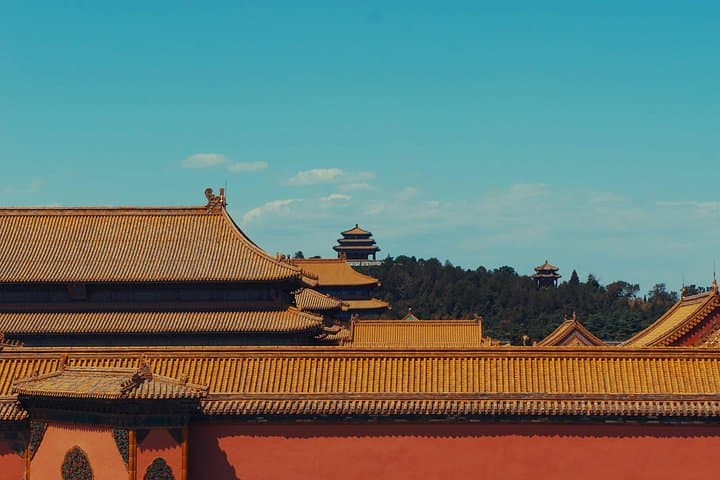


You begin before dawn on a rough mountain track outside Beijing, the first stones of Jiankou sliding under boot soles as the ridge opens to a raw skyline. The original wall here rises like a jagged spine—collapsed sections, sheer steps and watchtowers that look less restored monument than living machine. Your small group threads between dense scrub and stonework scarred by centuries, the guide pointing out arrow-shaped peaks and collapsed ridges that frame long views across valley and plain.
You begin before dawn on a rough mountain track outside Beijing, the first stones of Jiankou sliding under boot soles as the ridge opens to a raw skyline. The original wall here rises like a jagged spine—collapsed sections, sheer steps and watchtowers that look less restored monument than living machine. Your small group threads between dense scrub and stonework scarred by centuries, the guide pointing out arrow-shaped peaks and collapsed ridges that frame long views across valley and plain.
These stretches date largely to the Ming Dynasty, built and rebuilt as an exposed defensive line where Gubeikou once controlled approach routes into the capital. Geologically the wall follows weathered granite and sandstone ridges; steep gradients and loose flagstones are common. Culturally the route still threads through farming villages—overnight stays at a local farmer’s guesthouse give a straightforward window into rural life and allow a walkable connection between the monuments and the people who live beside them.
Practical guidance: expect 10–12 miles of walking spread over the tour’s days with sustained climbs and uneven, sometimes narrow, original masonry. Footing requires sturdy boots and sure footing; trekking poles help on descents. Bring layered clothing for cold mornings, sun protection for exposed ridgelines and at least 2–3 liters of water per day; guides supply snacks and bottled water. The tour limits groups for quieter access and includes transport, meals listed, and a certificate on completion. Start early to avoid buses at Mutianyu and carry cash for small village purchases or tips.