THE ADVENTURE COLLECTIVE® · Independent discovery and booking for outdoor travel

A two-day trek into Ha Giang’s high valleys offers authentic homestay nights with Tay families and a challenging ascent to Dao settlements. Expect rice terraces, steep forest trails, and unvarnished local hospitality.
A two-day trek into Ha Giang’s high valleys offers authentic homestay nights with Tay families and a challenging ascent to Dao settlements. Expect rice terraces, steep forest trails, and unvarnished local hospitality.
You step off the air-conditioned minibus into a bowl of green—terraced rice paddies folding up the valley, a ribbon of trail climbing toward stilt houses where smoke curls from cooking fires. The village of Thon Tha smells of wet earth and wood smoke; after a day on the trail you’ll sit cross-legged for a Tay family dinner and learn the cadence of local life.
Verified experiences and guided adventures in the surrounding area.
Operated by BCFamilyTour.com · Ha Giang, Ha Giang Province
You step off the air-conditioned minibus into a bowl of green—terraced rice paddies folding up the valley, a ribbon of trail climbing toward stilt houses where smoke curls from cooking fires. The village of Thon Tha smells of wet earth and wood smoke; after a day on the trail you’ll sit cross-legged for a Tay family dinner and learn the cadence of local life.
Ha Giang sits on Vietnam’s northern edge where limestone ridges and narrow valleys were carved by water and human hands. The region’s Dao and Tay communities maintain stilt-house architecture and seasonal rice cultivation; Khuoi My perches higher, where the trail moves from terraces into palm and bamboo woods. Geology creates steep, scenic slopes—expect irregular stone steps, muddy switchbacks, and open viewpoints that reveal the province’s serrated skyline.
Practically: the trip combines two short treks spread over two days. Day 1 walks through rice terraces and village lanes (roughly 6–10 km total, mostly gentle up-and-down). Day 2 is harder—steeper ascents to Khuoi My with ungraded paths and up to 600–800 m cumulative elevation gain over 6–10 km, depending on route choices. Nights are in a basic homestay: bring a headlamp, warm layers, and modest toiletries. Water is provided on the bus but carry a 1–2 L daypack supply for hikes. Footwear with sticky soles and ankle support is recommended; trekking poles reduce strain on descents.
Timing: start early to avoid midday heat and arrive at viewpoints in soft morning light. Be respectful—ask before photographing people, remove shoes when entering homes, and pack out any non-biodegradable waste.
Expect moderate to challenging hiking—two days with uneven trails and a steeper second-day ascent; prior hill-walking experience or reasonable fitness is advised.
Homestays are basic but clean: shared rooms, simple bedding, and family-prepared meals; bring a small towel and personal toiletries.
Meals are local and freshly prepared; if you have dietary restrictions, notify the operator in advance—carbohydrate-rich lunches and warm dinners are typical.
Signal can be intermittent in valleys and remote villages; plan accordingly and download maps or travel information beforehand.
BCFamilyTour.com operates guided outdoor trips and adventures with an emphasis on safety, stewardship, and memorable experiences.
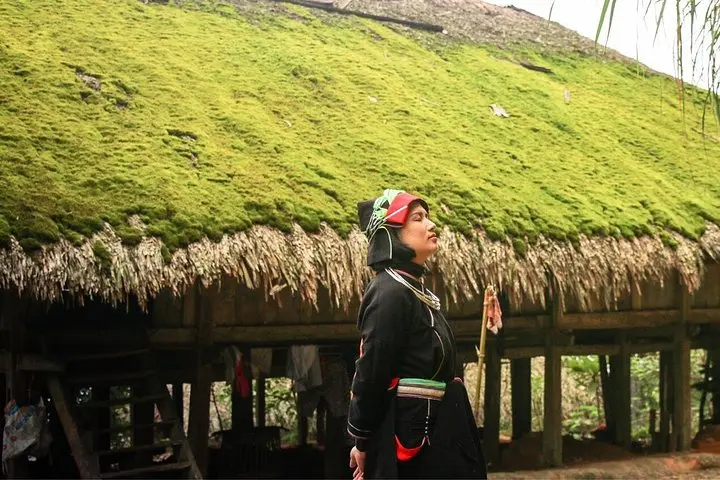
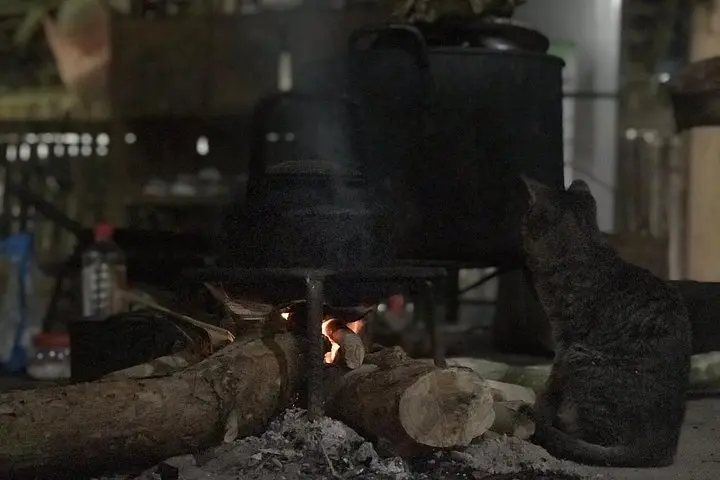
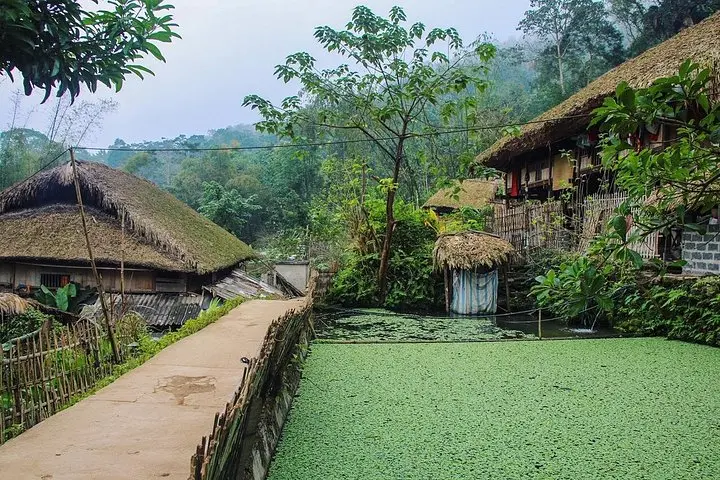
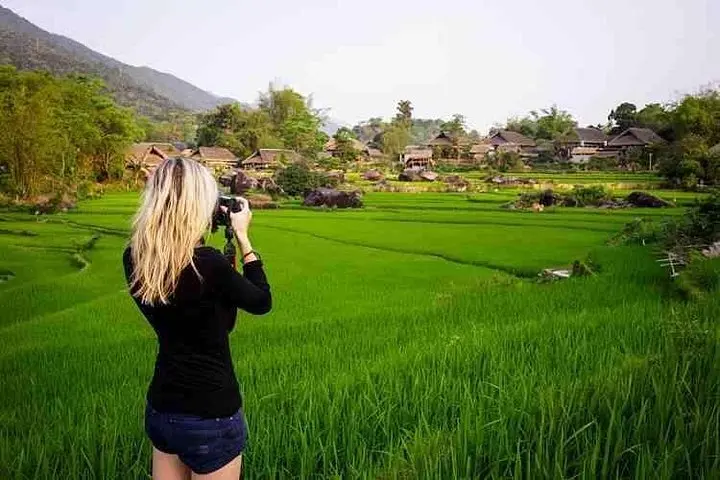
You step off the air-conditioned minibus into a bowl of green—terraced rice paddies folding up the valley, a ribbon of trail climbing toward stilt houses where smoke curls from cooking fires. The village of Thon Tha smells of wet earth and wood smoke; after a day on the trail you’ll sit cross-legged for a Tay family dinner and learn the cadence of local life.
You step off the air-conditioned minibus into a bowl of green—terraced rice paddies folding up the valley, a ribbon of trail climbing toward stilt houses where smoke curls from cooking fires. The village of Thon Tha smells of wet earth and wood smoke; after a day on the trail you’ll sit cross-legged for a Tay family dinner and learn the cadence of local life.
Ha Giang sits on Vietnam’s northern edge where limestone ridges and narrow valleys were carved by water and human hands. The region’s Dao and Tay communities maintain stilt-house architecture and seasonal rice cultivation; Khuoi My perches higher, where the trail moves from terraces into palm and bamboo woods. Geology creates steep, scenic slopes—expect irregular stone steps, muddy switchbacks, and open viewpoints that reveal the province’s serrated skyline.
Practically: the trip combines two short treks spread over two days. Day 1 walks through rice terraces and village lanes (roughly 6–10 km total, mostly gentle up-and-down). Day 2 is harder—steeper ascents to Khuoi My with ungraded paths and up to 600–800 m cumulative elevation gain over 6–10 km, depending on route choices. Nights are in a basic homestay: bring a headlamp, warm layers, and modest toiletries. Water is provided on the bus but carry a 1–2 L daypack supply for hikes. Footwear with sticky soles and ankle support is recommended; trekking poles reduce strain on descents.
Timing: start early to avoid midday heat and arrive at viewpoints in soft morning light. Be respectful—ask before photographing people, remove shoes when entering homes, and pack out any non-biodegradable waste.