THE ADVENTURE COLLECTIVE® · Independent discovery and booking for outdoor travel

Explore Hampi’s UNESCO ruins with a local guide over two days—temples, boulder-strewn viewpoints, the Stone Chariot, and riverside boat rides. This guided itinerary blends history, geology, and village life with practical tips for timing, footwear, and sun protection.
Explore Hampi’s UNESCO ruins with a local guide over two days—temples, boulder-strewn viewpoints, the Stone Chariot, and riverside boat rides. This guided itinerary blends history, geology, and village life with practical tips for timing, footwear, and sun protection.
Dawn filters through granite boulders as the ruins of Hampi wake: carved pillars catch light, monkeys dart across temple courtyards, and the Tungabhadra River dares you to follow its ribbon of green past fields and pillared ghats.
Verified experiences and guided adventures in the surrounding area.
Operated by Anaconda Tourguide and rickshaw driver · Hampi, Karnataka
Dawn filters through granite boulders as the ruins of Hampi wake: carved pillars catch light, monkeys dart across temple courtyards, and the Tungabhadra River dares you to follow its ribbon of green past fields and pillared ghats.
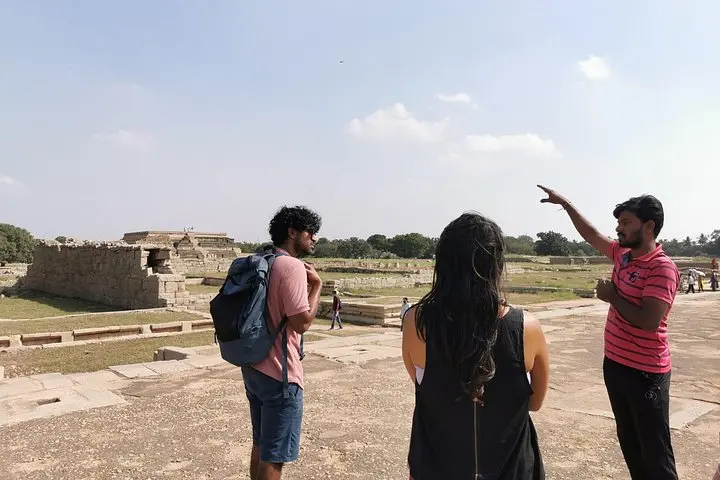
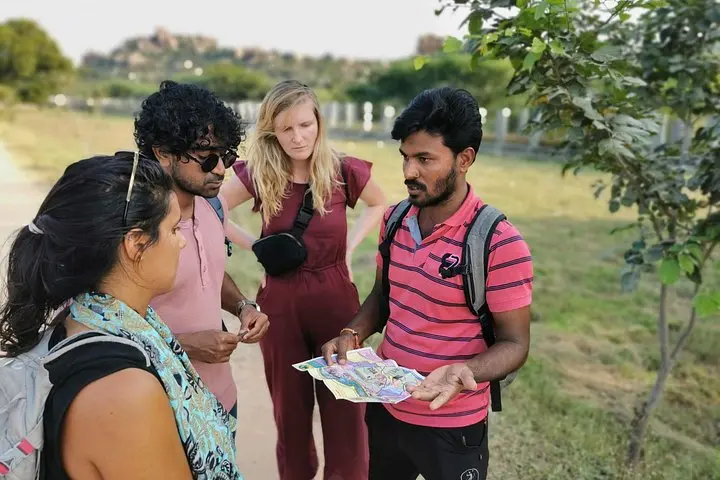
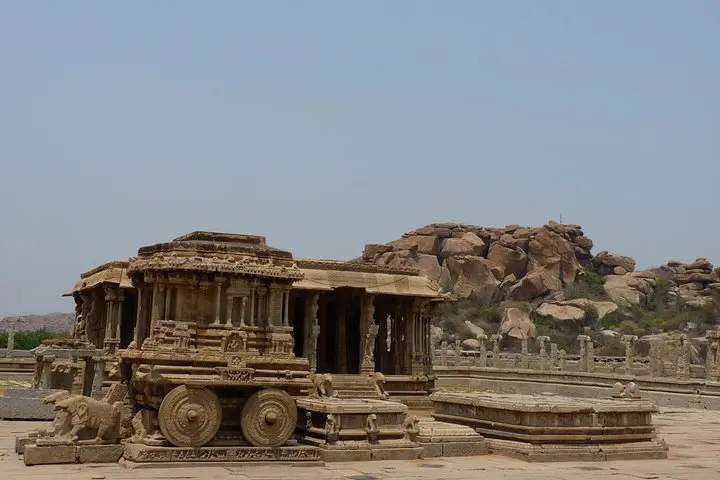
Over two days a local guide translates the language of stone—explaining the Vijayanagara Empire’s layout, the engineering logic behind stepped tanks, and the practical artistry of the Stone Chariot—while weaving in local myths and village life. Geology is obvious here: giant rounded boulders smoothed by millennia form natural vantage points like Hemakuta and Matanga hills; these rocks shaped temple placement and defensive lines centuries ago.
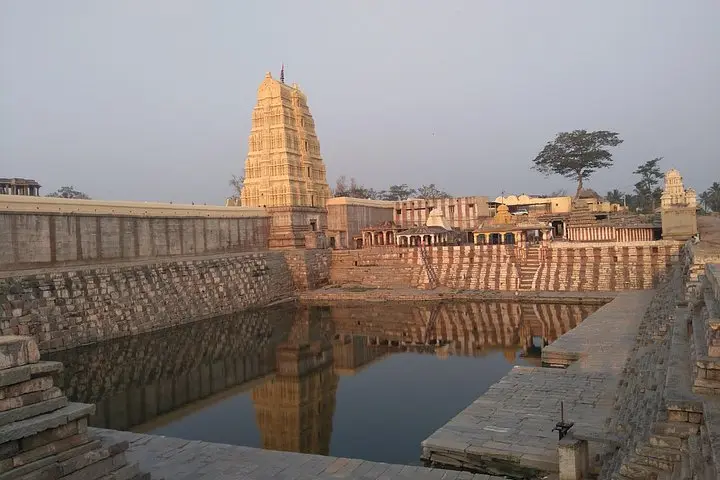
Culturally, Hampi is both active pilgrimage site and archaeological park. Expect living temples (Virupaksha, Anjaneya/Hanuman) alongside excavated royal enclosures, Lotus Mahal, and the ornate Vittala complex. Boat rides on Sanapur or the Tungabhadra add a quiet counterpoint to temple crowds.
Practically: plan early starts to avoid midday heat, carry a refillable water bottle, and wear shoes that handle sand, rock, and steps. The itinerary is flexible—sunrise and sunset viewpoints, village walks, and short swims are possible with time. Admissions vary by site; a guide speeds orientation and context, and many guides speak English plus regional languages.
Bring respect: avoid climbing fragile carvings, dress modestly at active shrines, and set aside time for the riverside light at dusk—Hampi’s scale and silence are best felt slowly, on foot and with a guide who knows which stones hold stories.
No special permit is needed for general sightseeing; entry fees apply at some monuments and the Archaeological Survey of India manages many sites.
Expect several hours of walking each day across uneven ground, rock scrambles, and temple steps—pacing and rest breaks are recommended.
Boat rides on the Tungabhadra or Sanapur are optional and generally safe with local operators; swimming is seasonal and depends on river conditions.
Yes—tour is labeled easy and can be tailored; however, mobility limitations may make some rockier viewpoints challenging.
Anaconda Tourguide and rickshaw driver operates guided outdoor trips and adventures with an emphasis on safety, stewardship, and memorable experiences.
Dawn filters through granite boulders as the ruins of Hampi wake: carved pillars catch light, monkeys dart across temple courtyards, and the Tungabhadra River dares you to follow its ribbon of green past fields and pillared ghats.
Dawn filters through granite boulders as the ruins of Hampi wake: carved pillars catch light, monkeys dart across temple courtyards, and the Tungabhadra River dares you to follow its ribbon of green past fields and pillared ghats.
Over two days a local guide translates the language of stone—explaining the Vijayanagara Empire’s layout, the engineering logic behind stepped tanks, and the practical artistry of the Stone Chariot—while weaving in local myths and village life. Geology is obvious here: giant rounded boulders smoothed by millennia form natural vantage points like Hemakuta and Matanga hills; these rocks shaped temple placement and defensive lines centuries ago.
Culturally, Hampi is both active pilgrimage site and archaeological park. Expect living temples (Virupaksha, Anjaneya/Hanuman) alongside excavated royal enclosures, Lotus Mahal, and the ornate Vittala complex. Boat rides on Sanapur or the Tungabhadra add a quiet counterpoint to temple crowds.
Practically: plan early starts to avoid midday heat, carry a refillable water bottle, and wear shoes that handle sand, rock, and steps. The itinerary is flexible—sunrise and sunset viewpoints, village walks, and short swims are possible with time. Admissions vary by site; a guide speeds orientation and context, and many guides speak English plus regional languages.
Bring respect: avoid climbing fragile carvings, dress modestly at active shrines, and set aside time for the riverside light at dusk—Hampi’s scale and silence are best felt slowly, on foot and with a guide who knows which stones hold stories.