THE ADVENTURE COLLECTIVE® · Independent discovery and booking for outdoor travel

Two days that pair West Lake’s lakeside promenades and sacred halls with a hands‑on hike through Longjing tea terraces. Expect easy cultural walking day one and a moderate ridge hike day two with tea tastings and quiet streams.
Two days that pair West Lake’s lakeside promenades and sacred halls with a hands‑on hike through Longjing tea terraces. Expect easy cultural walking day one and a moderate ridge hike day two with tea tastings and quiet streams.
Mornings at West Lake begin soft and architectural — willows lean low, boats cut the glassy water, and Leifeng Pagoda watches over the causeways. Walk the Su and Bai Causeways to feel the lake’s rhythm: locals fishing, cyclists looping past, and the three stone pagodas of "Three Pools Mirroring the Moon" catching light like small moons.
Verified experiences and guided adventures in the surrounding area.
Operated by Jacky's Walks · Hangzhou, Zhejiang
Mornings at West Lake begin soft and architectural — willows lean low, boats cut the glassy water, and Leifeng Pagoda watches over the causeways. Walk the Su and Bai Causeways to feel the lake’s rhythm: locals fishing, cyclists looping past, and the three stone pagodas of "Three Pools Mirroring the Moon" catching light like small moons.
This two-day itinerary threads cultural landmarks with upland tea country. West Lake is World Heritage for its designed historic landscape: causeways, classical pavilions, and Ming‑Qing gardens built against low limestone hills. Lingyin and Faxi temples trace Hangzhou’s Buddhist lineage, their carved rock caves and multi‑hall complexes reflecting Song and later dynastic patronage. Geologically, the area is low karst and sedimentary hills—easy to climb but steep in short stretches. Culturally, Longjing tea terraces are working farmland: tea farmers still hand‑pluck in spring and process leaves in village houses.
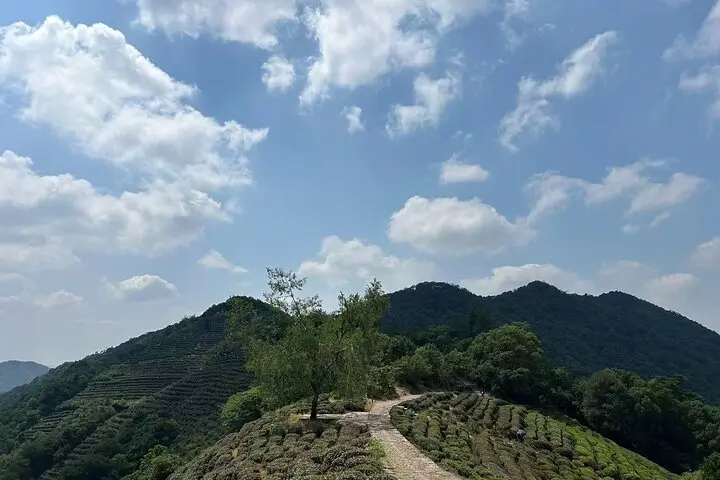
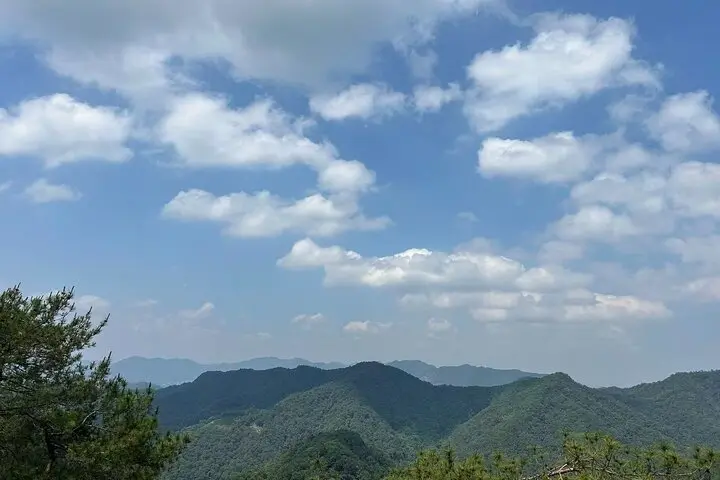
Day two moves into Shili Langdang (Ten‑Li Ridge) and Jiuxi. Expect 3–6 km of hiking on ancient stone paths with roughly 200–350 m of ascent on the ridge; Jiuxi is flatter, 2–3 km of stream crossings and packed earth. Terrain alternates paved tourist paths, uneven stone steps, and narrow dirt trails between terraces.
Practical edge: wear grippy walkers, bring a refillable bottle, and pace the ridge sections—sun and humidity can sap energy fast. Respect temple etiquette (modest dress, quiet in halls) and follow local signs in tea farms to avoid trampling crops. With a private RAV4 and guide, you get flexible stops for photos and tea tastings—plan to start early to beat crowds and afternoon thermals.
The ridge hike typically covers 3–6 km depending on route choices and includes about 200–350 m of cumulative ascent; plan 2–4 hours including breaks.
This tour commonly includes admission to major sites like Leifeng Pagoda and Faxi Temple, but confirm with the operator for exact inclusions.
Yes—West Lake walking is gentle; the Longjing ridge has steeper sections, so assess mobility and use the private vehicle to shorten walking segments if needed.
Yes, visits to tea terraces and village tastings are typically part of the itinerary; look for vendor‑run tastings at small tea houses for authentic demonstrations.
Jacky's Walks operates guided outdoor trips and adventures with an emphasis on safety, stewardship, and memorable experiences.
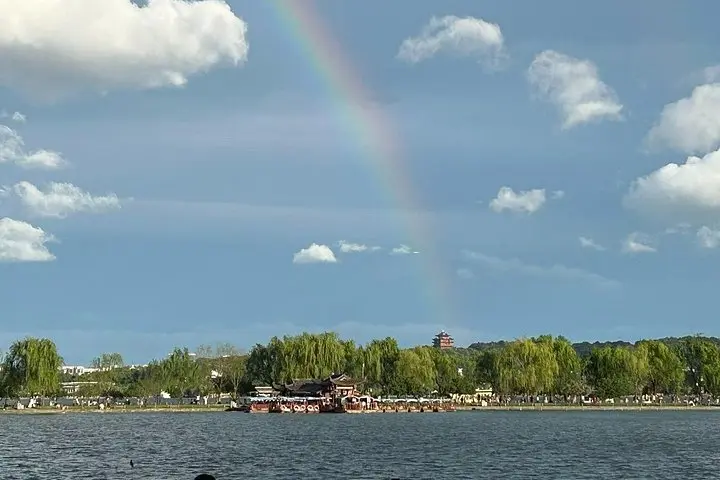

Mornings at West Lake begin soft and architectural — willows lean low, boats cut the glassy water, and Leifeng Pagoda watches over the causeways. Walk the Su and Bai Causeways to feel the lake’s rhythm: locals fishing, cyclists looping past, and the three stone pagodas of "Three Pools Mirroring the Moon" catching light like small moons.
Mornings at West Lake begin soft and architectural — willows lean low, boats cut the glassy water, and Leifeng Pagoda watches over the causeways. Walk the Su and Bai Causeways to feel the lake’s rhythm: locals fishing, cyclists looping past, and the three stone pagodas of "Three Pools Mirroring the Moon" catching light like small moons.
This two-day itinerary threads cultural landmarks with upland tea country. West Lake is World Heritage for its designed historic landscape: causeways, classical pavilions, and Ming‑Qing gardens built against low limestone hills. Lingyin and Faxi temples trace Hangzhou’s Buddhist lineage, their carved rock caves and multi‑hall complexes reflecting Song and later dynastic patronage. Geologically, the area is low karst and sedimentary hills—easy to climb but steep in short stretches. Culturally, Longjing tea terraces are working farmland: tea farmers still hand‑pluck in spring and process leaves in village houses.
Day two moves into Shili Langdang (Ten‑Li Ridge) and Jiuxi. Expect 3–6 km of hiking on ancient stone paths with roughly 200–350 m of ascent on the ridge; Jiuxi is flatter, 2–3 km of stream crossings and packed earth. Terrain alternates paved tourist paths, uneven stone steps, and narrow dirt trails between terraces.
Practical edge: wear grippy walkers, bring a refillable bottle, and pace the ridge sections—sun and humidity can sap energy fast. Respect temple etiquette (modest dress, quiet in halls) and follow local signs in tea farms to avoid trampling crops. With a private RAV4 and guide, you get flexible stops for photos and tea tastings—plan to start early to beat crowds and afternoon thermals.