THE ADVENTURE COLLECTIVE® · Independent discovery and booking for outdoor travel

Leave Delhi for two days of riverfront rituals, hilltop temples and walking bridges that define Rishikesh and Haridwar. This compact tour pairs guided cultural insight with downtime to explore ghats, ashrams and markets.
Leave Delhi for two days of riverfront rituals, hilltop temples and walking bridges that define Rishikesh and Haridwar. This compact tour pairs guided cultural insight with downtime to explore ghats, ashrams and markets.
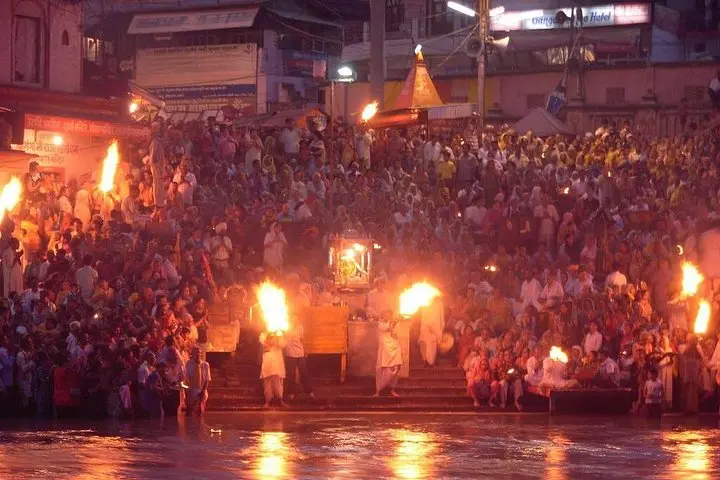
The tour begins before dawn on an open highway out of Delhi, the city lights shrinking as the Ganges draws you north. By midmorning the flat plains give way to the foothills' first terraces and the air tastes of river and sandalwood. In Haridwar you arrive at the ghats where priests move like choreographed currents and the evening Aarti sets lamps afloat—an exercise in light that leaves a physical hush in its wake.
Verified experiences and guided adventures in the surrounding area.
Operated by Go City Adventures · Haridwar, Uttarakhand
The tour begins before dawn on an open highway out of Delhi, the city lights shrinking as the Ganges draws you north. By midmorning the flat plains give way to the foothills' first terraces and the air tastes of river and sandalwood. In Haridwar you arrive at the ghats where priests move like choreographed currents and the evening Aarti sets lamps afloat—an exercise in light that leaves a physical hush in its wake.
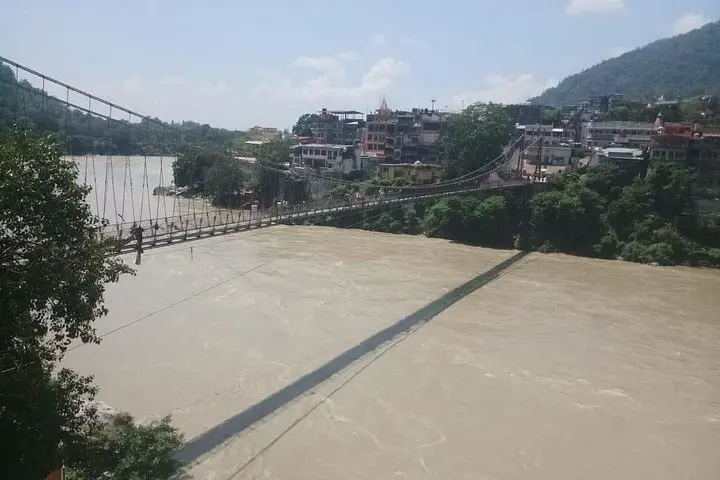
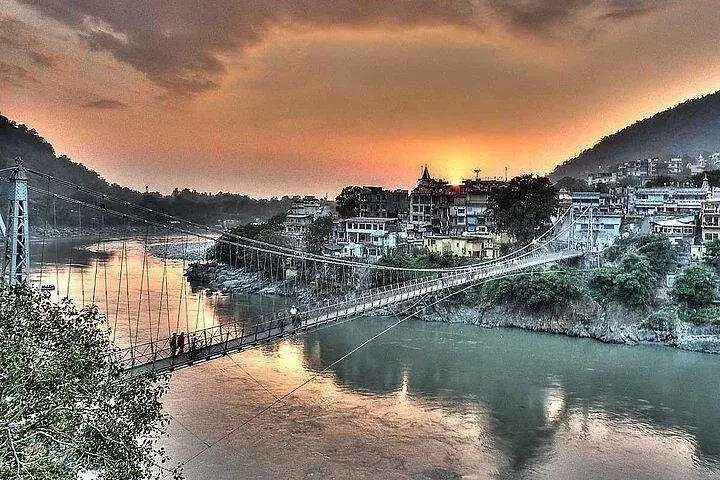
Haridwar and Rishikesh sit on the lower reaches of the Himalaya's southern flank; the river here has shaped pilgrimage routes for millennia. Haridwar's temples—Mansa Devi and Chandi Devi—perch on low hills visible from the town and have been places of worship since ancient times. Rishikesh grew as an ashram town in the 20th century and earned global attention after visits from spiritual teachers and the Beatles; its iron and suspension bridges, Lakshman Jhula and Ram Jhula, stitch riverbanks and communities together.
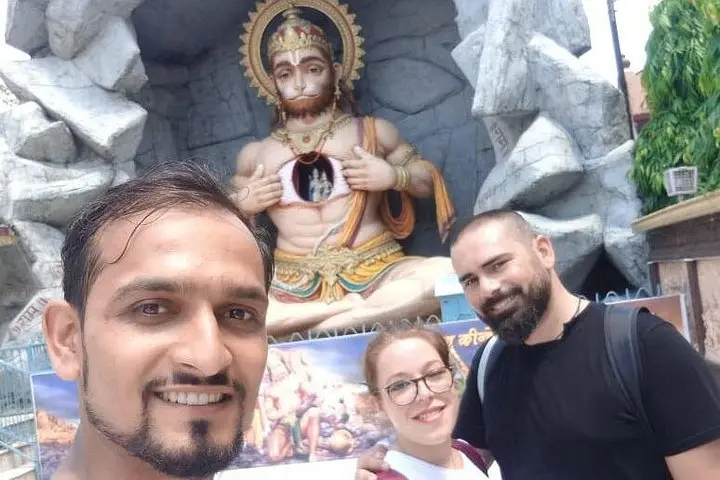
Expect close-up cultural encounters: temple protocol requires modest dress and shoe removal, and the Aarti is crowded and sensory—incense, chanting, and the crack of firelight. Practicalities matter: the trip is a lot of driving, short hill climbs and many steps at shrines, so wear grippy shoes and carry water. Plan to arrive rested, keep valuables secure during crowded moments, and budget time for local markets and short, mindful walks along quieter stretches of the Ganges. For travellers seeking a compact cultural weekend with clear logistics and deep sensory payoff, this two-day route delivers a focused introduction to the spiritual heart of North India.
Pickup is from specified Delhi hotels or airport; you return to Delhi by about 7:00 PM on day two.
Entry is not paid but you must cover shoulders and knees and remove shoes at many religious sites.
Expect short to moderate walks, many steps to reach hilltop temples and crowded river ghats—good mobility helps.
Lunches are typically at your own cost; the itinerary includes breaks for meals but not all food is provided.
Go City Adventures operates guided outdoor trips and adventures with an emphasis on safety, stewardship, and memorable experiences.
The tour begins before dawn on an open highway out of Delhi, the city lights shrinking as the Ganges draws you north. By midmorning the flat plains give way to the foothills' first terraces and the air tastes of river and sandalwood. In Haridwar you arrive at the ghats where priests move like choreographed currents and the evening Aarti sets lamps afloat—an exercise in light that leaves a physical hush in its wake.
The tour begins before dawn on an open highway out of Delhi, the city lights shrinking as the Ganges draws you north. By midmorning the flat plains give way to the foothills' first terraces and the air tastes of river and sandalwood. In Haridwar you arrive at the ghats where priests move like choreographed currents and the evening Aarti sets lamps afloat—an exercise in light that leaves a physical hush in its wake.
Haridwar and Rishikesh sit on the lower reaches of the Himalaya's southern flank; the river here has shaped pilgrimage routes for millennia. Haridwar's temples—Mansa Devi and Chandi Devi—perch on low hills visible from the town and have been places of worship since ancient times. Rishikesh grew as an ashram town in the 20th century and earned global attention after visits from spiritual teachers and the Beatles; its iron and suspension bridges, Lakshman Jhula and Ram Jhula, stitch riverbanks and communities together.
Expect close-up cultural encounters: temple protocol requires modest dress and shoe removal, and the Aarti is crowded and sensory—incense, chanting, and the crack of firelight. Practicalities matter: the trip is a lot of driving, short hill climbs and many steps at shrines, so wear grippy shoes and carry water. Plan to arrive rested, keep valuables secure during crowded moments, and budget time for local markets and short, mindful walks along quieter stretches of the Ganges. For travellers seeking a compact cultural weekend with clear logistics and deep sensory payoff, this two-day route delivers a focused introduction to the spiritual heart of North India.