THE ADVENTURE COLLECTIVE® · Independent discovery and booking for outdoor travel

Escape Hanoi’s crowds for two days of trekking and homestay life among Sapa’s terraced rice fields. This small-group tour blends hands-on farm experiences, waterfall trails, and authentic local hospitality.
Escape Hanoi’s crowds for two days of trekking and homestay life among Sapa’s terraced rice fields. This small-group tour blends hands-on farm experiences, waterfall trails, and authentic local hospitality.
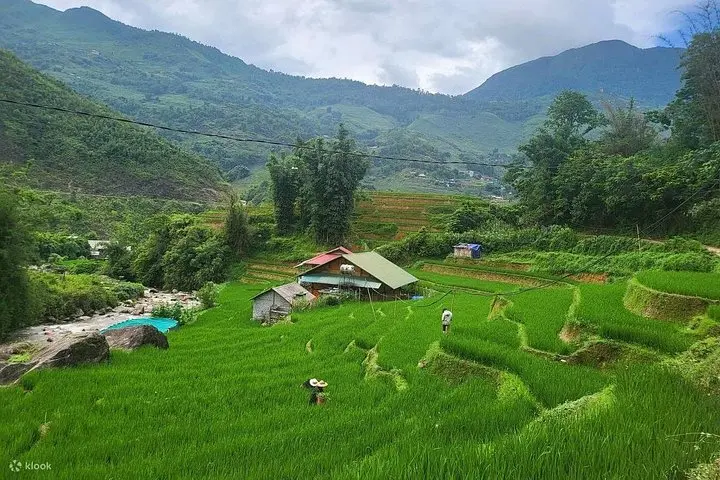
The sleeper bus eases into Sapa as clouds peel from the valley and terraces emerge like carved steps on the hillside. Within an hour you’re trading pavement for a dirt track, the air cooler, rice stalks sweeping like hands guiding you toward a small family home where smoke from a cooking fire promises a simple meal and a place to sleep.
Verified experiences and guided adventures in the surrounding area.
Operated by Vietnam Culture Tour · Sapa, Lao Cai
The sleeper bus eases into Sapa as clouds peel from the valley and terraces emerge like carved steps on the hillside. Within an hour you’re trading pavement for a dirt track, the air cooler, rice stalks sweeping like hands guiding you toward a small family home where smoke from a cooking fire promises a simple meal and a place to sleep.
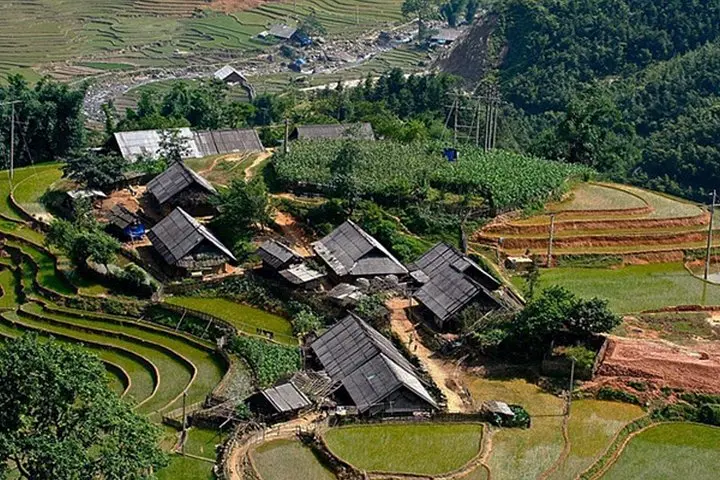
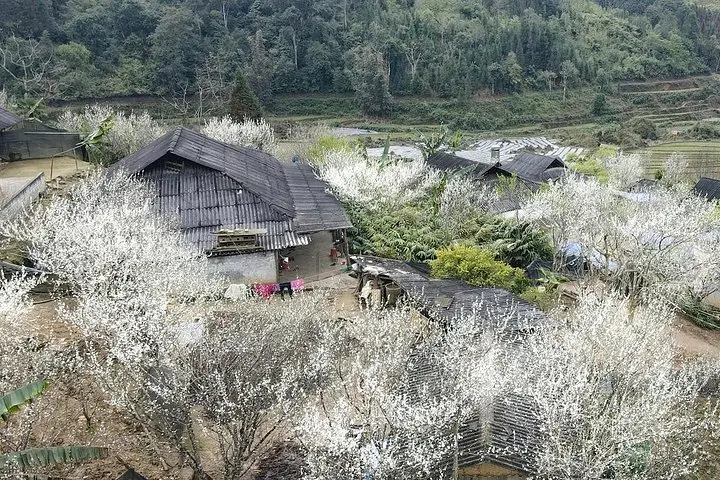
The Hoang Lien range and the cultures of the Hmong and Dzay (Giay) peoples shape this landscape—centuries of hand-built terraces cling to steep slopes, cut into soils formed by uplifted metamorphic rock and rapid mountain erosion. Local life centers on seasonal rice cycles, bamboo groves and small tea plots; homestays here are both accommodation and cultural exchange, giving glimpses into traditional weaving, cooking, and farm work.
Expect two days of active trekking: roughly 12 km on arrival through terraces and villages to the homestay, then shorter loops the next day through bamboo woods and Giang Ta Chai waterfall before returning to Sapa and boarding the sleeper bus back to Hanoi. Trails alternate between packed earth and rocky switchbacks; puddles and steep steps are common after rain.
Practical notes: carry local currency and a light headlamp, plan for inconsistent mobile service, and respect household routines—ask before photographing. Hydrate and pace yourself on ascents; guide-led groups are usually small and emphasize low-impact travel. This trip suits travelers seeking an immersive, practical mountain experience rather than luxury—arrive curious, leave with new skills and a fuller understanding of upland life.
Day one includes about 12 km from Sapa town to the homestay over mixed terrain; day two is shorter (around 6–8 km) with village trails and bamboo forests.
Simple family homes with shared rooms and basic bedding; facilities vary but are generally clean—bring a light sleeping liner if you prefer.
Sapa sits around 1,500 m elevation; most travelers acclimate quickly, but take it easy on steep sections and stay hydrated if you’re sensitive to altitude.
Meals are traditional and prepared locally—notify the operator in advance for major restrictions, but options may be limited in remote homestays.
Vietnam Culture Tour operates guided outdoor trips and adventures with an emphasis on safety, stewardship, and memorable experiences.

The sleeper bus eases into Sapa as clouds peel from the valley and terraces emerge like carved steps on the hillside. Within an hour you’re trading pavement for a dirt track, the air cooler, rice stalks sweeping like hands guiding you toward a small family home where smoke from a cooking fire promises a simple meal and a place to sleep.
The sleeper bus eases into Sapa as clouds peel from the valley and terraces emerge like carved steps on the hillside. Within an hour you’re trading pavement for a dirt track, the air cooler, rice stalks sweeping like hands guiding you toward a small family home where smoke from a cooking fire promises a simple meal and a place to sleep.
The Hoang Lien range and the cultures of the Hmong and Dzay (Giay) peoples shape this landscape—centuries of hand-built terraces cling to steep slopes, cut into soils formed by uplifted metamorphic rock and rapid mountain erosion. Local life centers on seasonal rice cycles, bamboo groves and small tea plots; homestays here are both accommodation and cultural exchange, giving glimpses into traditional weaving, cooking, and farm work.
Expect two days of active trekking: roughly 12 km on arrival through terraces and villages to the homestay, then shorter loops the next day through bamboo woods and Giang Ta Chai waterfall before returning to Sapa and boarding the sleeper bus back to Hanoi. Trails alternate between packed earth and rocky switchbacks; puddles and steep steps are common after rain.
Practical notes: carry local currency and a light headlamp, plan for inconsistent mobile service, and respect household routines—ask before photographing. Hydrate and pace yourself on ascents; guide-led groups are usually small and emphasize low-impact travel. This trip suits travelers seeking an immersive, practical mountain experience rather than luxury—arrive curious, leave with new skills and a fuller understanding of upland life.