THE ADVENTURE COLLECTIVE® · Independent discovery and booking for outdoor travel

Two days of mountain trails, village homestays and hands-on Berber hospitality just south of Marrakech. Hike old mule tracks into the High Atlas, sleep in a family home, and return with an intimate sense of Amazigh mountain life.
Two days of mountain trails, village homestays and hands-on Berber hospitality just south of Marrakech. Hike old mule tracks into the High Atlas, sleep in a family home, and return with an intimate sense of Amazigh mountain life.
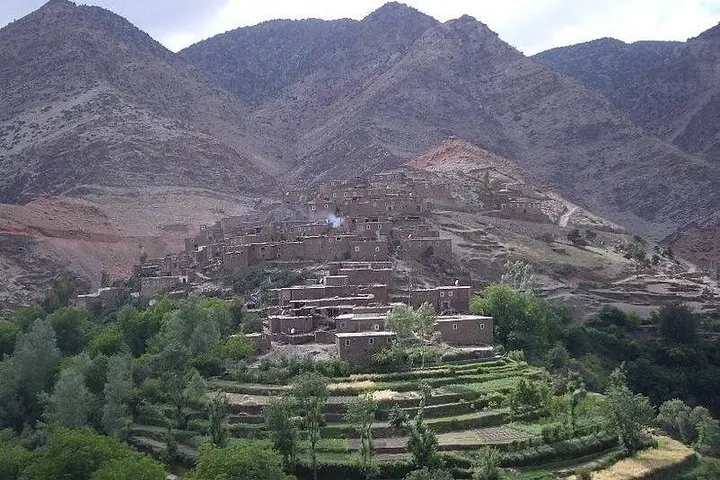
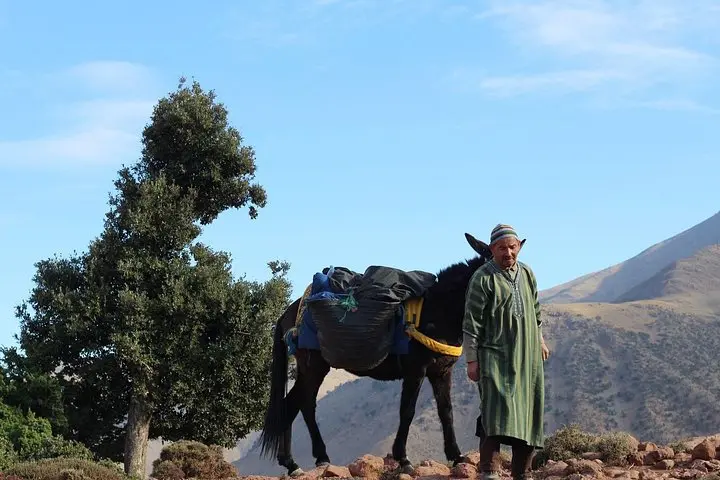
Morning light slants across stony plains as a van peels away from Marrakech and the Agafay’s scrub gives way to the folded ridges of the High Atlas. Within an hour you’re in Amizmiz: a village that feels less like a waypoint and more like an entry point to a different tempo — goats pick their way along terraces, and you set off with a local guide whose cadence matches the trails.
Verified experiences and guided adventures in the surrounding area.
Operated by Green Atlas Travel · Amizmiz, Marrakech-Safi
Morning light slants across stony plains as a van peels away from Marrakech and the Agafay’s scrub gives way to the folded ridges of the High Atlas. Within an hour you’re in Amizmiz: a village that feels less like a waypoint and more like an entry point to a different tempo — goats pick their way along terraces, and you set off with a local guide whose cadence matches the trails.
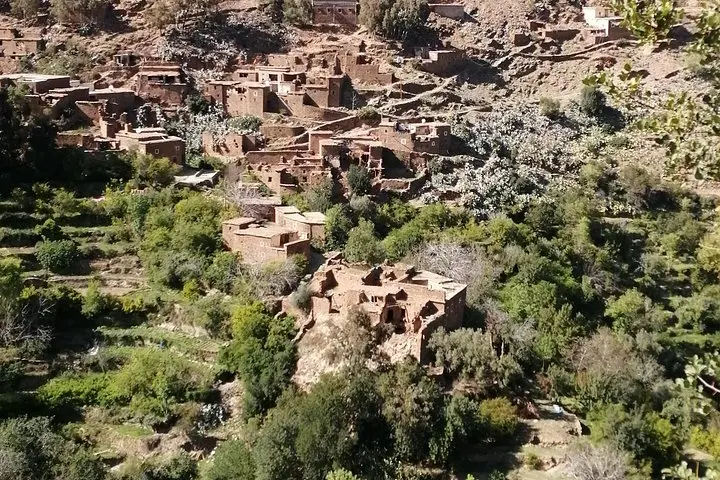
The route follows old mule tracks and dried streambeds carved by seasonal runoff; the High Atlas itself is the result of tectonic uplift where African and Eurasian plates met, exposing bands of limestone and schist. Culturally, these slopes are Amazigh country — villages cluster around springs, guest families demonstrate bread baking and tagine techniques, and mint tea signals welcome. Expect small, hospitable homestays rather than hotels and a chance to learn local rhythms: baking bread in a tandir, sharing stories at dusk, and watching shepherds move flocks at first light.
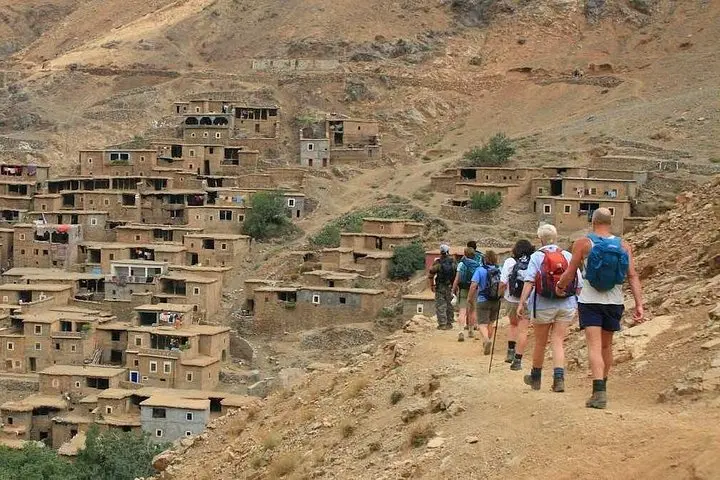
Practically, the two-day escape is structured: a 2–3 hour first-day hike to a Berber home with a cultural evening, then a morning trek into Anougal Valley with forested sections and a river-side descent to Sidi Hssayn before a mid-afternoon return to Marrakech.
Bring sturdy shoes, layers for cool mountain mornings and warmer afternoons, and 2–3 liters of water. Trails are uneven and can be slippery after rain; choose a guide who knows local exit routes. This trip balances steady walking with cultural immersion — it’s as much about the people and kitchens you visit as it is about the ridgelines you cross.
Hikes are moderate: expect 2–4 hours of walking each day on mule tracks and singletrack with some elevation change; no technical climbing required.
Yes — the tour includes an air-conditioned vehicle pick-up from Marrakech with roughly one hour drive to Amizmiz depending on traffic.
Hosts typically accommodate common dietary needs if informed in advance via booking questions; specify allergies or preferences when booking.
The itinerary stays at modest elevations of the High Atlas foothills; most travelers do not experience altitude sickness, but those with cardiovascular concerns should consult a doctor.
Green Atlas Travel operates guided outdoor trips and adventures with an emphasis on safety, stewardship, and memorable experiences.
Morning light slants across stony plains as a van peels away from Marrakech and the Agafay’s scrub gives way to the folded ridges of the High Atlas. Within an hour you’re in Amizmiz: a village that feels less like a waypoint and more like an entry point to a different tempo — goats pick their way along terraces, and you set off with a local guide whose cadence matches the trails.
Morning light slants across stony plains as a van peels away from Marrakech and the Agafay’s scrub gives way to the folded ridges of the High Atlas. Within an hour you’re in Amizmiz: a village that feels less like a waypoint and more like an entry point to a different tempo — goats pick their way along terraces, and you set off with a local guide whose cadence matches the trails.
The route follows old mule tracks and dried streambeds carved by seasonal runoff; the High Atlas itself is the result of tectonic uplift where African and Eurasian plates met, exposing bands of limestone and schist. Culturally, these slopes are Amazigh country — villages cluster around springs, guest families demonstrate bread baking and tagine techniques, and mint tea signals welcome. Expect small, hospitable homestays rather than hotels and a chance to learn local rhythms: baking bread in a tandir, sharing stories at dusk, and watching shepherds move flocks at first light.
Practically, the two-day escape is structured: a 2–3 hour first-day hike to a Berber home with a cultural evening, then a morning trek into Anougal Valley with forested sections and a river-side descent to Sidi Hssayn before a mid-afternoon return to Marrakech.
Bring sturdy shoes, layers for cool mountain mornings and warmer afternoons, and 2–3 liters of water. Trails are uneven and can be slippery after rain; choose a guide who knows local exit routes. This trip balances steady walking with cultural immersion — it’s as much about the people and kitchens you visit as it is about the ridgelines you cross.