THE ADVENTURE COLLECTIVE® · Independent discovery and booking for outdoor travel

Explore Pinkuylluna’s Inca storehouses and stand at Inti Punku — the Gate of the Sun — on a two-day walk from Ollantaytambo. Expect steep stone paths, high-Andean light, and panoramic valley views with practical tips for altitude and timing.
Explore Pinkuylluna’s Inca storehouses and stand at Inti Punku — the Gate of the Sun — on a two-day walk from Ollantaytambo. Expect steep stone paths, high-Andean light, and panoramic valley views with practical tips for altitude and timing.
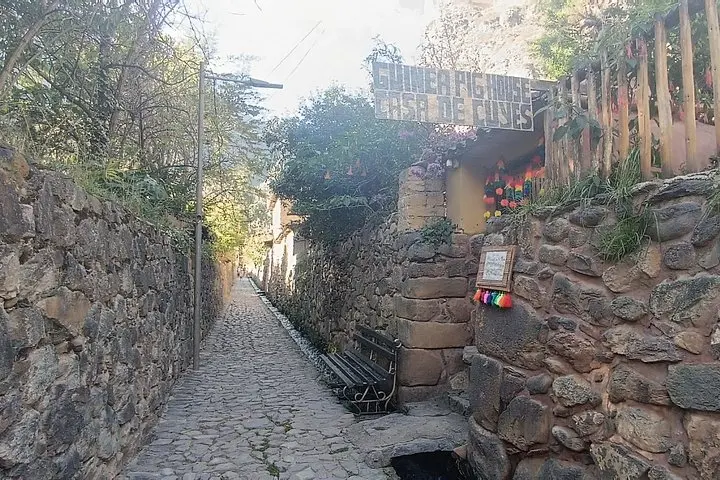
You step off the van in Ollantaytambo as late afternoon light slants across stone streets, and the terraces above the town throw long, cool shadows. A short walk leads to Pinkuylluna, a shelf of Inca storehouses and masonry perched over the valley; wind teases the grain-smooth walls and the mountain seems to watch you back.
Verified experiences and guided adventures in the surrounding area.
Operated by OPERTOURS PERÚ · Ollantaytambo, Cusco
You step off the van in Ollantaytambo as late afternoon light slants across stone streets, and the terraces above the town throw long, cool shadows. A short walk leads to Pinkuylluna, a shelf of Inca storehouses and masonry perched over the valley; wind teases the grain-smooth walls and the mountain seems to watch you back.
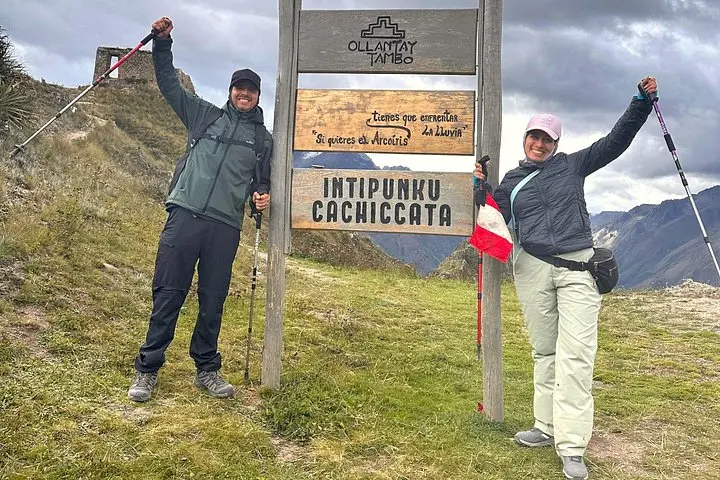
The next morning, before the town fully wakes, you push uphill toward Inti Punku — the Gate of the Sun. The trail breathes with puna grass and low shrubs; when the sun slips through the stone aperture, the peaks and valleys grab the light and hold it. These sites are linked to the same Inca engineering that shaped Ollantaytambo: colcas (storehouses) at Pinkuylluna illustrate agricultural logistics, while Inti Punku served as a ritual and observational threshold tied to solar cycles.
Geologically the Sacred Valley is a deep Andean incision carved by the Urubamba and uplifted by tectonics; granite and volcanic intrusions underlay terraces and ridgelines. Culturally, the valley blends Quechua life with living ruins — markets in the town square, shepherds watching llamas, and stonework that still aligns to celestial events.
Practical guide: allow time to acclimatize in Cusco first, bring layered clothing for early starts, comfortable boots for uneven stone and loose scree, and at least 2 liters of water. The Pinkuylluna walk is short and steep; Inti Punku is a 2–3 hour ascent from Ollantaytambo depending on pace. Hire a local guide for historical context and follow marked paths to protect fragile puna vegetation.
The trail is a 2–3 hour ascent from Ollantaytambo with steep sections; it’s rated moderate and requires steady footing and acclimatization.
No special permit is required for Pinkuylluna or Inti Punku, but hiring a local guide enhances historical interpretation and supports the community.
Ollantaytambo sits around 2,800–2,900 m (9,200 ft); trails climb modestly above town — expect similar high-Andean conditions and shorterness of breath until acclimatized.
This two-day tour typically includes one night at a modest hotel and basic meals as listed; check the operator for exact inclusions and dietary requests.
OPERTOURS PERÚ operates guided outdoor trips and adventures with an emphasis on safety, stewardship, and memorable experiences.
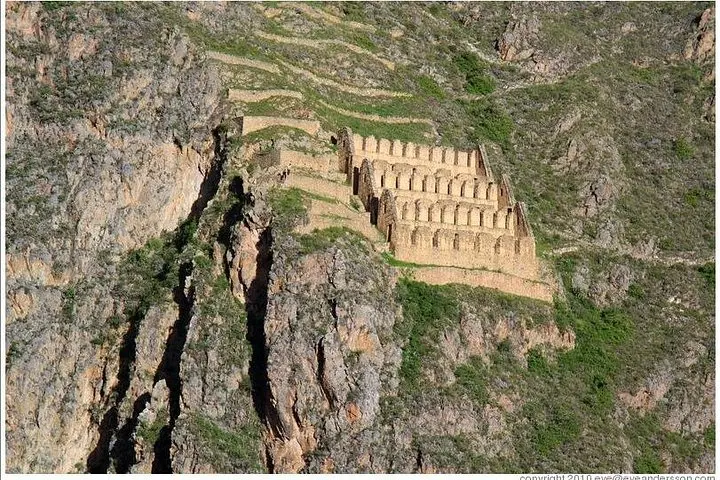
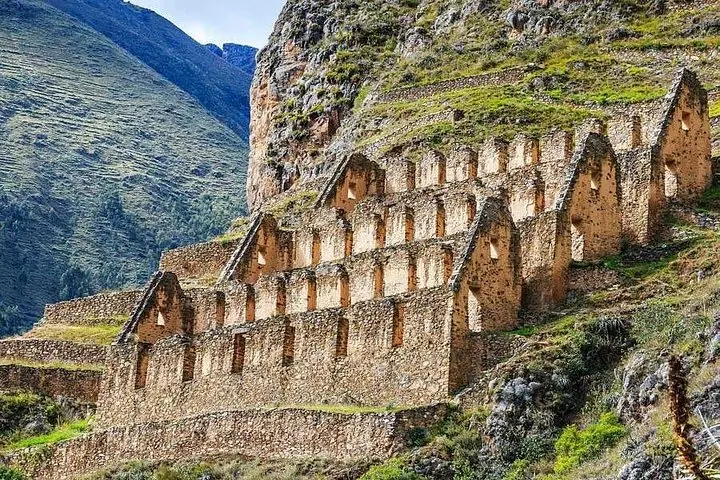
You step off the van in Ollantaytambo as late afternoon light slants across stone streets, and the terraces above the town throw long, cool shadows. A short walk leads to Pinkuylluna, a shelf of Inca storehouses and masonry perched over the valley; wind teases the grain-smooth walls and the mountain seems to watch you back.
You step off the van in Ollantaytambo as late afternoon light slants across stone streets, and the terraces above the town throw long, cool shadows. A short walk leads to Pinkuylluna, a shelf of Inca storehouses and masonry perched over the valley; wind teases the grain-smooth walls and the mountain seems to watch you back.
The next morning, before the town fully wakes, you push uphill toward Inti Punku — the Gate of the Sun. The trail breathes with puna grass and low shrubs; when the sun slips through the stone aperture, the peaks and valleys grab the light and hold it. These sites are linked to the same Inca engineering that shaped Ollantaytambo: colcas (storehouses) at Pinkuylluna illustrate agricultural logistics, while Inti Punku served as a ritual and observational threshold tied to solar cycles.
Geologically the Sacred Valley is a deep Andean incision carved by the Urubamba and uplifted by tectonics; granite and volcanic intrusions underlay terraces and ridgelines. Culturally, the valley blends Quechua life with living ruins — markets in the town square, shepherds watching llamas, and stonework that still aligns to celestial events.
Practical guide: allow time to acclimatize in Cusco first, bring layered clothing for early starts, comfortable boots for uneven stone and loose scree, and at least 2 liters of water. The Pinkuylluna walk is short and steep; Inti Punku is a 2–3 hour ascent from Ollantaytambo depending on pace. Hire a local guide for historical context and follow marked paths to protect fragile puna vegetation.