THE ADVENTURE COLLECTIVE® · Independent discovery and booking for outdoor travel

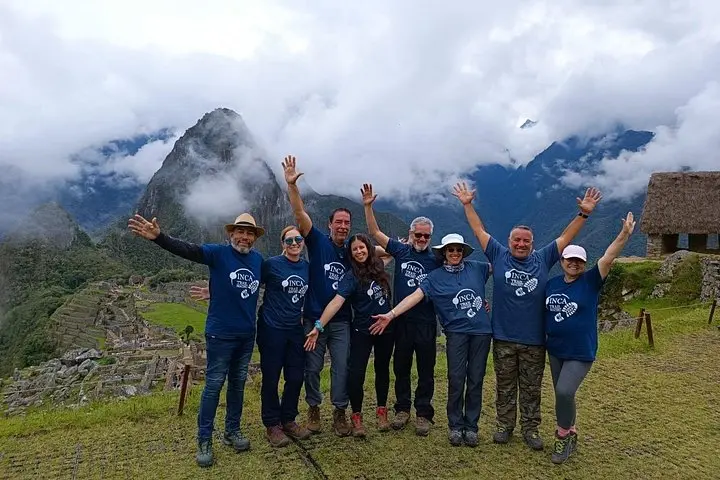
This two-day Short Inca Trail covers roughly 12 km of cloud forest, Inca terraces and stone stairways before delivering hikers to the Sun Gate and their first view of Machu Picchu. One night of camping and porter support make this a compact, accessible way to experience the classic approach to the ruins.
This two-day Short Inca Trail covers roughly 12 km of cloud forest, Inca terraces and stone stairways before delivering hikers to the Sun Gate and their first view of Machu Picchu. One night of camping and porter support make this a compact, accessible way to experience the classic approach to the ruins.
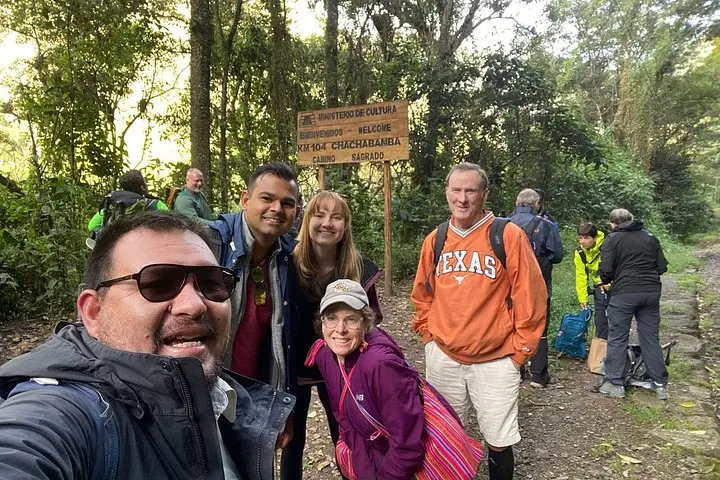
A pre-dawn hush hangs over Cusco as the van slides out of the city and the Andes compress into a corridor of stone and cloud. Hikers set off from KM 104 onto the Short Inca Trail, a compact 12 km route that threads cloud forest, terraced ruins and stepped Inca causeways. By late afternoon tents appear at Puente Ruinas; at night the mountains feel close enough to touch.
Verified experiences and guided adventures in the surrounding area.
Operated by Inca Trail Machu · Aguas Calientes, Cusco
A pre-dawn hush hangs over Cusco as the van slides out of the city and the Andes compress into a corridor of stone and cloud. Hikers set off from KM 104 onto the Short Inca Trail, a compact 12 km route that threads cloud forest, terraced ruins and stepped Inca causeways. By late afternoon tents appear at Puente Ruinas; at night the mountains feel close enough to touch.
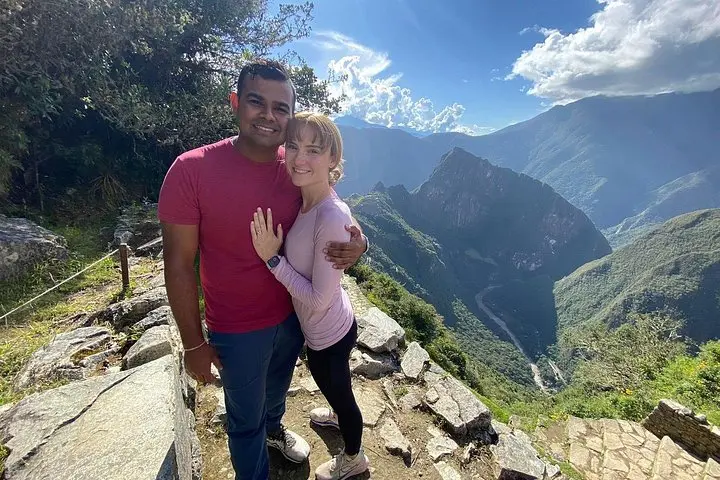
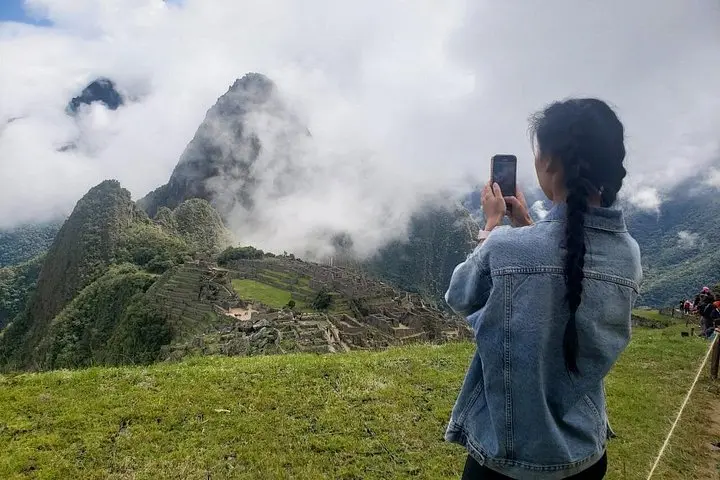
History here is physical: the trail was an artery of the Inca road system that fed Machu Picchu’s ceremonial center. Geology alternates between volcanic and sedimentary rock sculpted by millennia of Andean uplift; the result is a jagged skyline punctuated by green terraces and the stone precision of Wiñay Wayna.
Culture is immediate—local guides interpret carved niches and water channels while porters keep camp logistics efficient; small-group camping preserves the quiet. Expect cloud forest species, orchids tucked into cliff faces, and llamas grazing near the ruins.
Practical guidance: the trek is about 12 km over two days with several steep stone stair sections and a net elevation change of a few hundred meters; Machu Picchu sits near 2,430 m, while Cusco (where you meet) is higher—acclimatize in advance. Permits are required; packs over 5 kg are carried by porters supplied by the operator. Bring layered clothing for chilly mornings and heavy rain protection in the wet season; good ankle-support boots and water treatment or purification tablets are recommended.
Timing matters—start early on day two to reach Inti Punku (Sun Gate) at first light. With balanced preparation the Short Inca Trail delivers a compact, authentic approach to Machu Picchu: intimate, physical and richly historical.
Yes. The Inca Trail requires a government permit for each person; operators secure these in advance—book early, especially in high season.
Moderate: the route covers ~12 km with steep stone stair sections and some sustained climbs; previous hiking experience and acclimatization improve comfort.
Porters provided by the operator carry a duffel (typically up to 5 kg) and all communal camping gear; hikers carry daypacks with personal items and documents.
After the guided tour through Machu Picchu, the itinerary usually includes descent to Aguas Calientes, a return train to Ollantaytambo and a transfer back to Cusco.
Inca Trail Machu operates guided outdoor trips and adventures with an emphasis on safety, stewardship, and memorable experiences.
A pre-dawn hush hangs over Cusco as the van slides out of the city and the Andes compress into a corridor of stone and cloud. Hikers set off from KM 104 onto the Short Inca Trail, a compact 12 km route that threads cloud forest, terraced ruins and stepped Inca causeways. By late afternoon tents appear at Puente Ruinas; at night the mountains feel close enough to touch.
A pre-dawn hush hangs over Cusco as the van slides out of the city and the Andes compress into a corridor of stone and cloud. Hikers set off from KM 104 onto the Short Inca Trail, a compact 12 km route that threads cloud forest, terraced ruins and stepped Inca causeways. By late afternoon tents appear at Puente Ruinas; at night the mountains feel close enough to touch.
History here is physical: the trail was an artery of the Inca road system that fed Machu Picchu’s ceremonial center. Geology alternates between volcanic and sedimentary rock sculpted by millennia of Andean uplift; the result is a jagged skyline punctuated by green terraces and the stone precision of Wiñay Wayna.
Culture is immediate—local guides interpret carved niches and water channels while porters keep camp logistics efficient; small-group camping preserves the quiet. Expect cloud forest species, orchids tucked into cliff faces, and llamas grazing near the ruins.
Practical guidance: the trek is about 12 km over two days with several steep stone stair sections and a net elevation change of a few hundred meters; Machu Picchu sits near 2,430 m, while Cusco (where you meet) is higher—acclimatize in advance. Permits are required; packs over 5 kg are carried by porters supplied by the operator. Bring layered clothing for chilly mornings and heavy rain protection in the wet season; good ankle-support boots and water treatment or purification tablets are recommended.
Timing matters—start early on day two to reach Inti Punku (Sun Gate) at first light. With balanced preparation the Short Inca Trail delivers a compact, authentic approach to Machu Picchu: intimate, physical and richly historical.