THE ADVENTURE COLLECTIVE® · Independent discovery and booking for outdoor travel

Short on time but seeking the Inca Trail experience? This two-day, one-night trek from Km 104 delivers Wiñay Wayna, Intipunku and a sunrise at Machu Picchu with private transport, train tickets and a hotel night included.
Short on time but seeking the Inca Trail experience? This two-day, one-night trek from Km 104 delivers Wiñay Wayna, Intipunku and a sunrise at Machu Picchu with private transport, train tickets and a hotel night included.
Dawn is a cool, thin thing on this route: you leave Cusco at 4 a.m., the van humming through high valleys as stars fade behind the Andes. By 6:10 a.m. the train from Ollantaytambo slips into the Sacred Valley and you disembark at Km 104 (Chachabamba), 2,150 m — the start of a concentrated slice of the classic Inca Trail that delivers ruins, terraces, and the pay-off view at Intipunku.
Verified experiences and guided adventures in the surrounding area.
Operated by Chaska Andina Travel · Aguas Calientes, Cusco
Dawn is a cool, thin thing on this route: you leave Cusco at 4 a.m., the van humming through high valleys as stars fade behind the Andes. By 6:10 a.m. the train from Ollantaytambo slips into the Sacred Valley and you disembark at Km 104 (Chachabamba), 2,150 m — the start of a concentrated slice of the classic Inca Trail that delivers ruins, terraces, and the pay-off view at Intipunku.
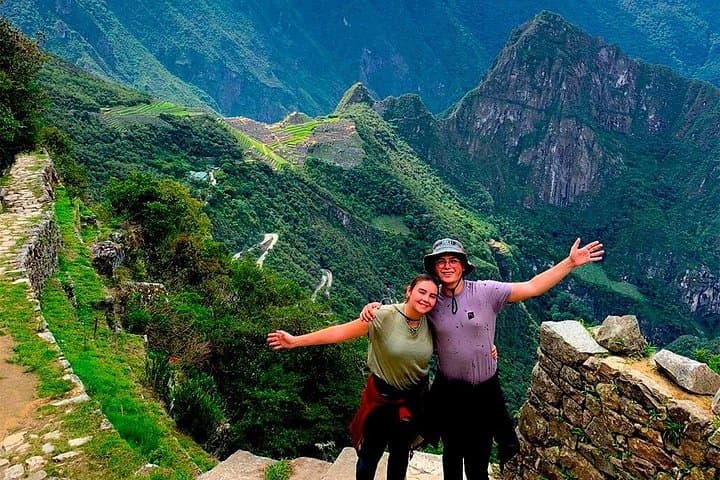
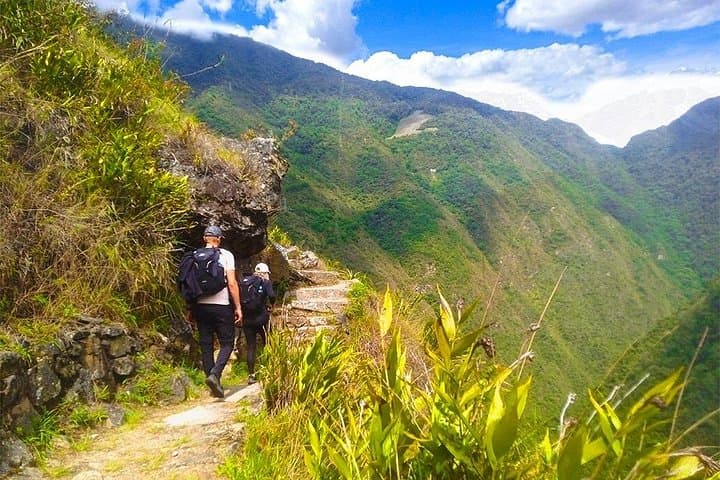
Geology here is granite flanked by steep cloud forest; trails switch from rocky steps to packed earth and narrow ledges carved into the slope. The day covers several hours of walking, with a sustained climb to Wiñay Wayna (~2,600 m) where sophisticated water channels and terraces reveal Inca engineering up close. From Intipunku (2,730 m) the first sweeping view of Machu Picchu arrives, an organized ruin set against a knife-back of mountain.
Culturally the trail threads Inca ceremonial sites and agricultural platforms — the route itself is a movement of empire and pilgrimage. Practically, expect 6–8 hours on trail the first day, downhill into Aguas Calientes in the afternoon, then an early second-day ascent by bus to catch sunrise with a two-hour guided tour of the citadel. Optional Huayna Picchu requires extra permit.
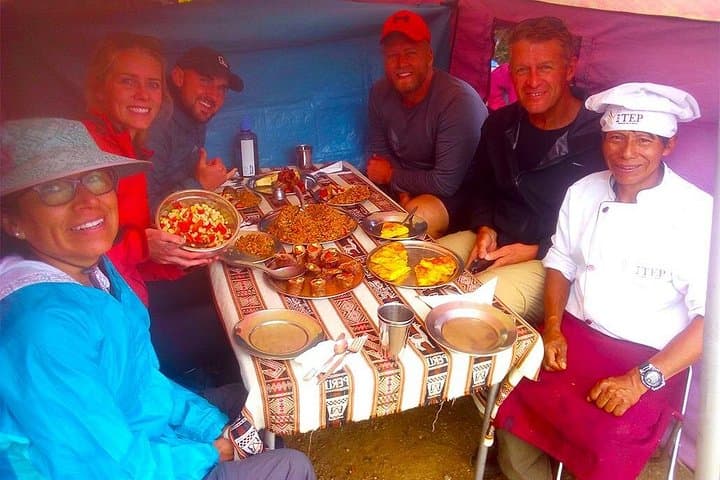
Plan for altitude: spend 24–48 hours in Cusco beforehand, use layered waterproof clothing, and move deliberately on steep sections. The operator provides train tickets, entrance permits, bus transfers, one hotel night, meals, trekking poles and certified guides. This itinerary compresses the best of the Inca Trail into two decisive days — high payoff for limited time.
Yes — original passport is required at the INRENA checkpoint and must match the Inca Trail/Machu Picchu ticket name.
The two-day Km 104 route is condensed: less overall distance but steep sections and many stone steps, making it shorter but still physically demanding.
Possibly — Huayna Picchu requires an additional permit and pre-booking; check availability before travel and notify your operator in advance.
The dry season (May–September) offers more stable weather and clearer skies, though mornings can be cold; the wet season brings cloud forest blooms but unpredictable rain.
Chaska Andina Travel operates guided outdoor trips and adventures with an emphasis on safety, stewardship, and memorable experiences.

Dawn is a cool, thin thing on this route: you leave Cusco at 4 a.m., the van humming through high valleys as stars fade behind the Andes. By 6:10 a.m. the train from Ollantaytambo slips into the Sacred Valley and you disembark at Km 104 (Chachabamba), 2,150 m — the start of a concentrated slice of the classic Inca Trail that delivers ruins, terraces, and the pay-off view at Intipunku.
Dawn is a cool, thin thing on this route: you leave Cusco at 4 a.m., the van humming through high valleys as stars fade behind the Andes. By 6:10 a.m. the train from Ollantaytambo slips into the Sacred Valley and you disembark at Km 104 (Chachabamba), 2,150 m — the start of a concentrated slice of the classic Inca Trail that delivers ruins, terraces, and the pay-off view at Intipunku.
Geology here is granite flanked by steep cloud forest; trails switch from rocky steps to packed earth and narrow ledges carved into the slope. The day covers several hours of walking, with a sustained climb to Wiñay Wayna (~2,600 m) where sophisticated water channels and terraces reveal Inca engineering up close. From Intipunku (2,730 m) the first sweeping view of Machu Picchu arrives, an organized ruin set against a knife-back of mountain.
Culturally the trail threads Inca ceremonial sites and agricultural platforms — the route itself is a movement of empire and pilgrimage. Practically, expect 6–8 hours on trail the first day, downhill into Aguas Calientes in the afternoon, then an early second-day ascent by bus to catch sunrise with a two-hour guided tour of the citadel. Optional Huayna Picchu requires extra permit.
Plan for altitude: spend 24–48 hours in Cusco beforehand, use layered waterproof clothing, and move deliberately on steep sections. The operator provides train tickets, entrance permits, bus transfers, one hotel night, meals, trekking poles and certified guides. This itinerary compresses the best of the Inca Trail into two decisive days — high payoff for limited time.