THE ADVENTURE COLLECTIVE® · Independent discovery and booking for outdoor travel

A compact, two-day hike that threads ancient Inca roads, cloud forest and terraces before delivering you to Machu Picchu. Expect stone staircases, rapid weather changes and a physically demanding but highly rewarding route.
A compact, two-day hike that threads ancient Inca roads, cloud forest and terraces before delivering you to Machu Picchu. Expect stone staircases, rapid weather changes and a physically demanding but highly rewarding route.
The trail opens under a cool Andean sky, cloud forest breathing moisture into stone steps carved centuries ago. On this condensed Inca Trail, hikers move quickly through mossed terraces and narrow passes, the route alternating between single-file Inca paths and broad viewpoints that reveal steep, cultivated slopes dropping toward the Urubamba valley.
Verified experiences and guided adventures in the surrounding area.
Operated by Luan Travel Peru · Cusco, Cusco Region
The trail opens under a cool Andean sky, cloud forest breathing moisture into stone steps carved centuries ago. On this condensed Inca Trail, hikers move quickly through mossed terraces and narrow passes, the route alternating between single-file Inca paths and broad viewpoints that reveal steep, cultivated slopes dropping toward the Urubamba valley.
The Inca Trail follows routes used by chasquis—imperial runners—and threads through geology shaped by uplifted volcanic ranges and glacial carving. Expect exposed granite and schist steps, pockets of cloud forest, and engineered terraces that illustrate pre-Columbian agronomy. Local Quechua communities still tend fields below the route, and guides often share legends of mountain spirits and sacred springs.
Over two days you'll cover roughly 12–16 km of trail with cumulative ascent near 600–800 m; Machu Picchu sits at about 2,430 m. Terrain is uneven: flagged stone staircases, muddy sections in rain, and narrow ridgewalks. Weather shifts swiftly—sun, mist, then rain—so plan for layers and firm traction.
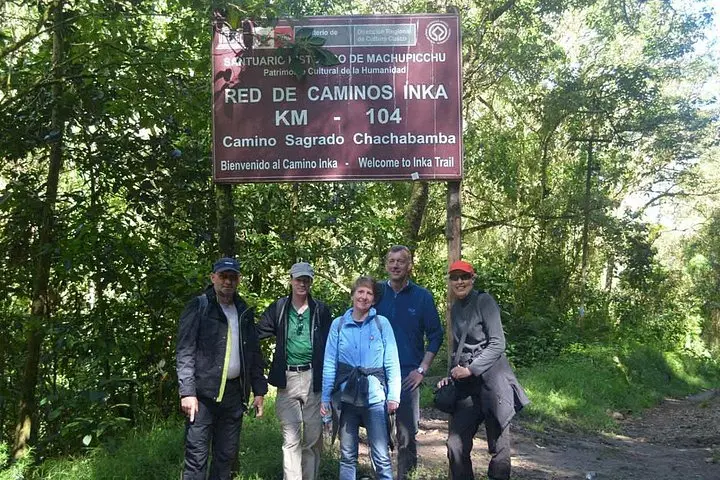
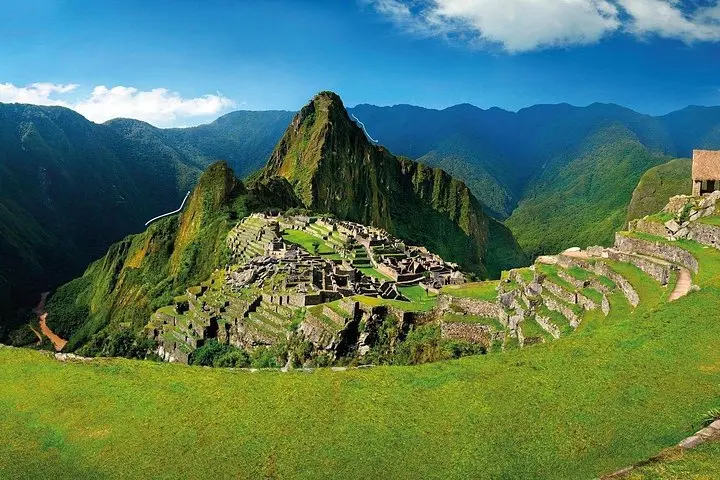
Practical tips: start early to avoid midday crowds, keep a steady pace to manage altitude, and carry water and high-energy snacks. The tour includes train transfer options and entry to Machu Picchu, but permits and train seats are limited—book well in advance. Respect signage: stay on the path, pack out trash, and follow your guide’s pacing. This is an intense, rewarding introduction to Andean trekking that places Machu Picchu within living landscape and history rather than as an isolated monument.
Yes—official Inca Trail permits are limited and sold by the Peruvian government; book through an authorized operator well in advance.
The two-day route is more compressed—shorter overall distance but with sustained ascents and rapid pacing, so it can feel more intense despite fewer days.
This itinerary includes entrance to Machu Picchu, but the specific time slot will be assigned by the operator and must be followed to access the site.
Fit beginners who have acclimatized and prepared for steep steps can complete it, but travelers with heart, spinal, or pregnancy concerns are not recommended to join.
Luan Travel Peru operates guided outdoor trips and adventures with an emphasis on safety, stewardship, and memorable experiences.
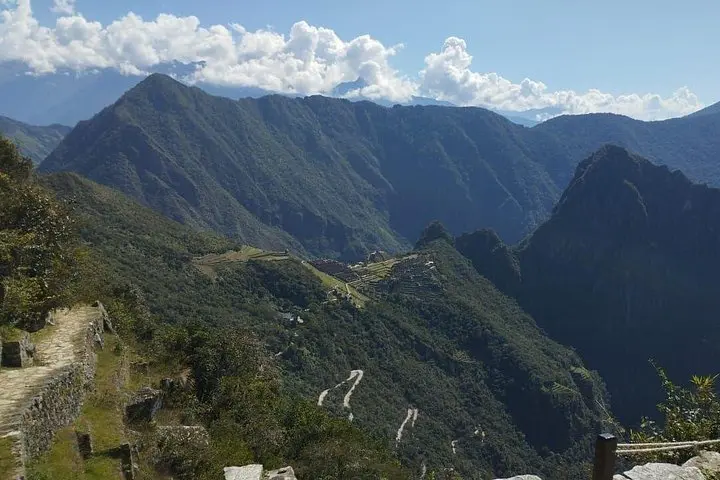
The trail opens under a cool Andean sky, cloud forest breathing moisture into stone steps carved centuries ago. On this condensed Inca Trail, hikers move quickly through mossed terraces and narrow passes, the route alternating between single-file Inca paths and broad viewpoints that reveal steep, cultivated slopes dropping toward the Urubamba valley.
The trail opens under a cool Andean sky, cloud forest breathing moisture into stone steps carved centuries ago. On this condensed Inca Trail, hikers move quickly through mossed terraces and narrow passes, the route alternating between single-file Inca paths and broad viewpoints that reveal steep, cultivated slopes dropping toward the Urubamba valley.
The Inca Trail follows routes used by chasquis—imperial runners—and threads through geology shaped by uplifted volcanic ranges and glacial carving. Expect exposed granite and schist steps, pockets of cloud forest, and engineered terraces that illustrate pre-Columbian agronomy. Local Quechua communities still tend fields below the route, and guides often share legends of mountain spirits and sacred springs.
Over two days you'll cover roughly 12–16 km of trail with cumulative ascent near 600–800 m; Machu Picchu sits at about 2,430 m. Terrain is uneven: flagged stone staircases, muddy sections in rain, and narrow ridgewalks. Weather shifts swiftly—sun, mist, then rain—so plan for layers and firm traction.
Practical tips: start early to avoid midday crowds, keep a steady pace to manage altitude, and carry water and high-energy snacks. The tour includes train transfer options and entry to Machu Picchu, but permits and train seats are limited—book well in advance. Respect signage: stay on the path, pack out trash, and follow your guide’s pacing. This is an intense, rewarding introduction to Andean trekking that places Machu Picchu within living landscape and history rather than as an isolated monument.