THE ADVENTURE COLLECTIVE® · Independent discovery and booking for outdoor travel

Pressed for time but determined to see Machu Picchu? This private 2-day Inca Trail from KM 104 condenses the classic trek into a doable, scenic route with an overnight in Aguas Calientes and a sunrise approach through cloud forest to the Sun Gate.
Pressed for time but determined to see Machu Picchu? This private 2-day Inca Trail from KM 104 condenses the classic trek into a doable, scenic route with an overnight in Aguas Calientes and a sunrise approach through cloud forest to the Sun Gate.
Before dawn the road out of Cusco feels like a held breath: your pickup slips through sleeping streets, the Andes silhouette sharpening as you head toward Ollantaytambo and the train at KM 104. From that point the trail climbs through cloud forest where the Urubamba River below dares you to look down; orchids and ferns crowd the path and archaeological niches appear in the stone like notes in a long story. You hike past Chachabamba, catch your first sweep of terraces, and push on toward Inti Punku — the Sun Gate — where Machu Picchu unfolds below in the pale morning light.
Verified experiences and guided adventures in the surrounding area.
Operated by INFOCUSCO · Aguas Calientes, Cusco
Before dawn the road out of Cusco feels like a held breath: your pickup slips through sleeping streets, the Andes silhouette sharpening as you head toward Ollantaytambo and the train at KM 104. From that point the trail climbs through cloud forest where the Urubamba River below dares you to look down; orchids and ferns crowd the path and archaeological niches appear in the stone like notes in a long story. You hike past Chachabamba, catch your first sweep of terraces, and push on toward Inti Punku — the Sun Gate — where Machu Picchu unfolds below in the pale morning light.
Machu Picchu sits on granite ridges carved by millennia of tectonic uplift and river incision; the site dates to the 15th century and reflects Inca engineering—terraces, drainage channels, and precisely fitted stonework. Today the route threads a fragile cloud forest intersecting Quechua culture: farmers tend maize and quinoa in high valleys and guides recount oral histories as part of the landscape.
Practically, the short Inca Trail compresses the classic experience into two days: an overnight in Aguas Calientes, an early bus to the ruins, a guided tour, then free time before returning to Cusco. Altitude and steep stone stairways are the main challenges; pace early and hydrate. Pack a waterproof layer, sturdy boots, and snacks for high-energy sections. Expect variable weather—sun, mist, or sudden rain—and plan for early starts to beat crowds. For travelers short on time but hungry for the Andes, this private two-day itinerary delivers the essentials: history, geology, and the slow reveal of Machu Picchu.
This short route uses the KM 104 section and entrance to Machu Picchu; the operator secures required permits and train tickets—confirm inclusion at booking.
The route is moderate but involves sustained walking at elevations up to around 2,250–2,430 m on approach and higher at Machu Picchu; acclimatization in Cusco is recommended.
Yes — the tour includes one night in a 2-star hotel in Aguas Calientes and selected meals as listed in the itinerary.
Expect variable conditions: warm sun in the valley, rapid afternoon showers in the cloud forest, and cool pre-dawn temperatures at the ruins—layering is essential.
INFOCUSCO operates guided outdoor trips and adventures with an emphasis on safety, stewardship, and memorable experiences.
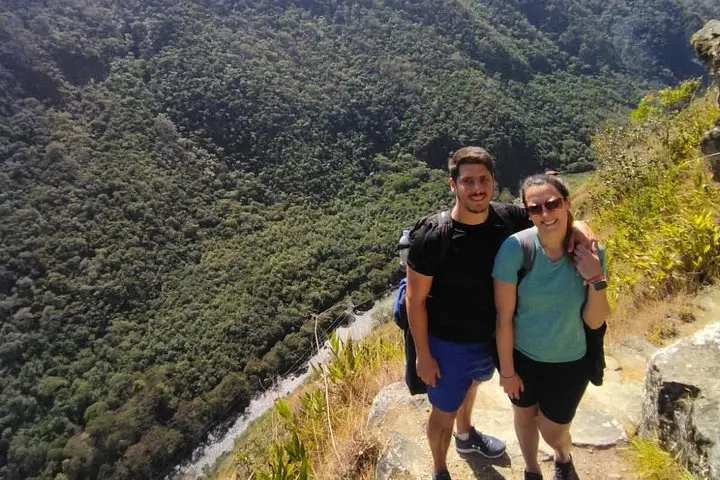
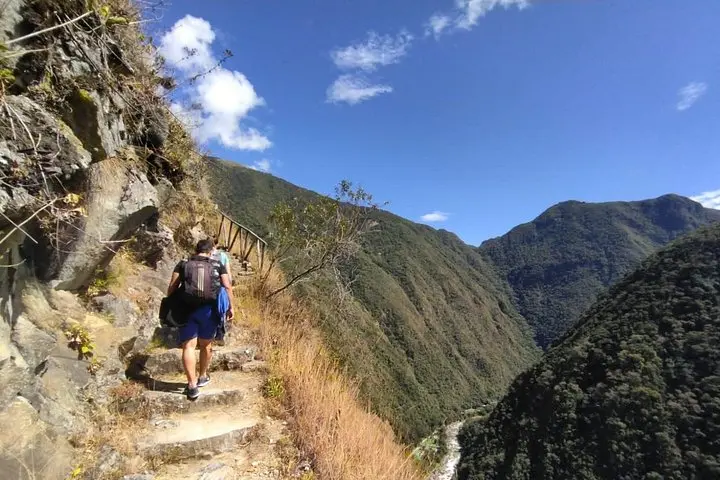
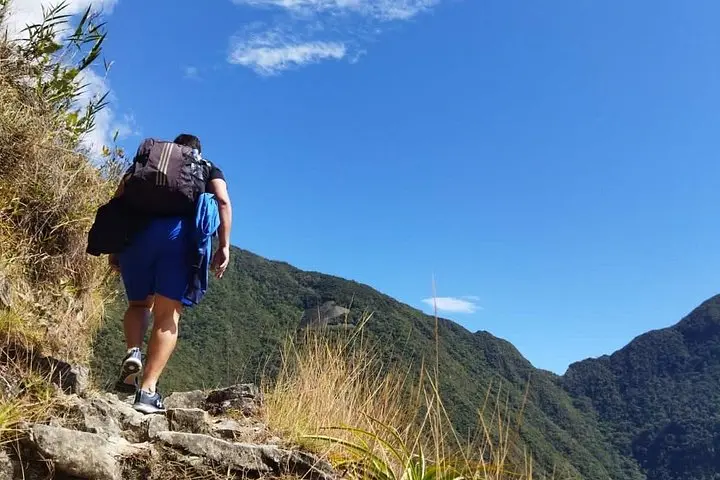
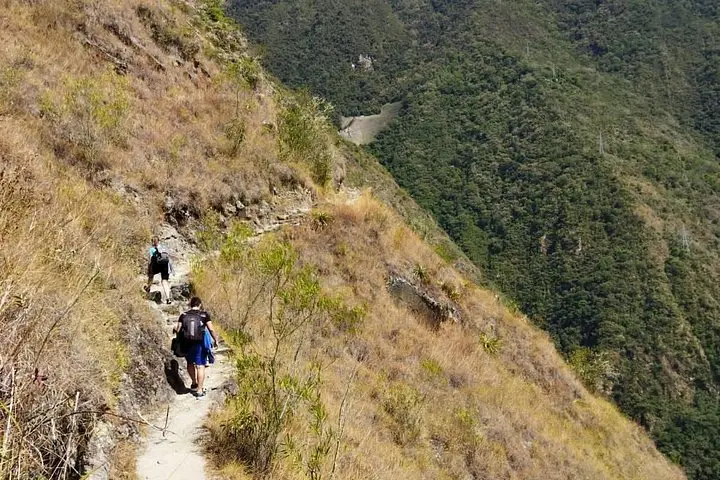
Before dawn the road out of Cusco feels like a held breath: your pickup slips through sleeping streets, the Andes silhouette sharpening as you head toward Ollantaytambo and the train at KM 104. From that point the trail climbs through cloud forest where the Urubamba River below dares you to look down; orchids and ferns crowd the path and archaeological niches appear in the stone like notes in a long story. You hike past Chachabamba, catch your first sweep of terraces, and push on toward Inti Punku — the Sun Gate — where Machu Picchu unfolds below in the pale morning light.
Before dawn the road out of Cusco feels like a held breath: your pickup slips through sleeping streets, the Andes silhouette sharpening as you head toward Ollantaytambo and the train at KM 104. From that point the trail climbs through cloud forest where the Urubamba River below dares you to look down; orchids and ferns crowd the path and archaeological niches appear in the stone like notes in a long story. You hike past Chachabamba, catch your first sweep of terraces, and push on toward Inti Punku — the Sun Gate — where Machu Picchu unfolds below in the pale morning light.
Machu Picchu sits on granite ridges carved by millennia of tectonic uplift and river incision; the site dates to the 15th century and reflects Inca engineering—terraces, drainage channels, and precisely fitted stonework. Today the route threads a fragile cloud forest intersecting Quechua culture: farmers tend maize and quinoa in high valleys and guides recount oral histories as part of the landscape.
Practically, the short Inca Trail compresses the classic experience into two days: an overnight in Aguas Calientes, an early bus to the ruins, a guided tour, then free time before returning to Cusco. Altitude and steep stone stairways are the main challenges; pace early and hydrate. Pack a waterproof layer, sturdy boots, and snacks for high-energy sections. Expect variable weather—sun, mist, or sudden rain—and plan for early starts to beat crowds. For travelers short on time but hungry for the Andes, this private two-day itinerary delivers the essentials: history, geology, and the slow reveal of Machu Picchu.