THE ADVENTURE COLLECTIVE® · Independent discovery and booking for outdoor travel

A compact two‑day circuit from Bishkek that pairs Silk Road history with Issyk‑Kul’s dramatic geology. Spend a night in a lakeside yurt camp, explore Skazka (Fairy Tale) Canyon and stand beneath Barskoon’s cascades.
A compact two‑day circuit from Bishkek that pairs Silk Road history with Issyk‑Kul’s dramatic geology. Spend a night in a lakeside yurt camp, explore Skazka (Fairy Tale) Canyon and stand beneath Barskoon’s cascades.
The morning opens over the Chui Valley in a wash of cold light; the road hums east and the mountains push a cool, conifer-scented breath through the bus windows. By midday the south shore of Issyk‑Kul unfurls — the lake’s surface dares you with sudden glints while red sandstone ribs of Fairy Tale Canyon loom like weathered sculptures.
Verified experiences and guided adventures in the surrounding area.
Operated by Visit Bishkek · Barskoon, Issyk-Kul Region
The morning opens over the Chui Valley in a wash of cold light; the road hums east and the mountains push a cool, conifer-scented breath through the bus windows. By midday the south shore of Issyk‑Kul unfurls — the lake’s surface dares you with sudden glints while red sandstone ribs of Fairy Tale Canyon loom like weathered sculptures.
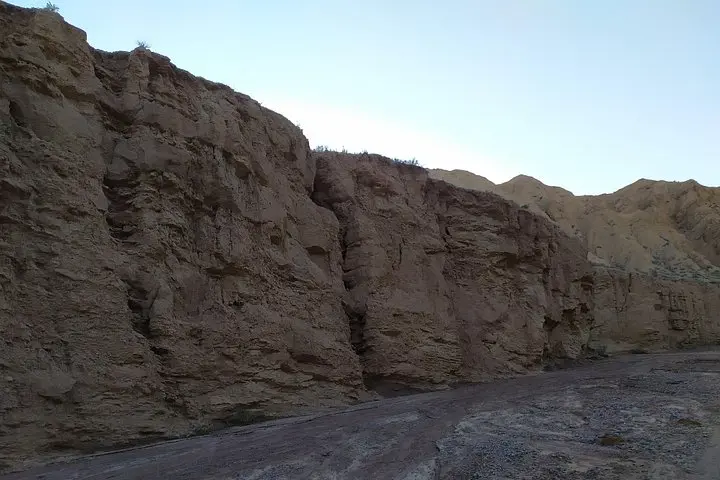
This two‑day route stitches Kyrgyz history and geology together: the Burana Tower marks the old Silk Road city of Balasagun and stands as a human counterpoint to the region’s wind‑carved canyons. Skazka (Fairy Tale) Canyon shows millennia of erosion in sculpted cliffs; Barskoon Gorge trades sandstone for spruce‑lined valleys and tumbling waterfalls where Soviet‑era stories mix with local oral tradition.
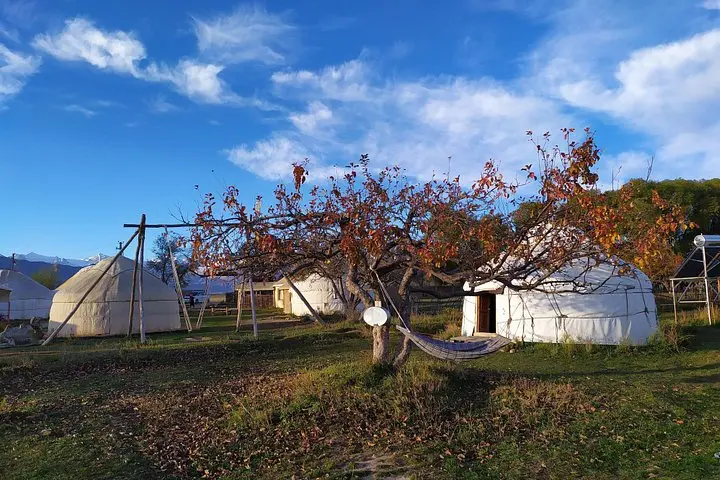
Culture appears in the simple geometry of a yurt camp on the shore — felt, wooden beams, and communal dinner around a low table. Guides offer context on nomadic patterns and the practical reasons yurts endure here: breathable insulation and quick assembly suited to mountain weather.
Practical guidance: pack layered clothing for sharp diurnal swings, bring sturdy shoes for uneven canyon footing and wet trails to waterfalls, and carry three liters of water between stops. Expect light walks and photo stops more than technical hiking, but be ready for loose sand and short scree sections in canyons.
Timing matters: early starts avoid midday glare on the lake and give better photos at Burana and Skazka. Respect fragile formations — stay on marked tracks — and treat the yurt stay as both comfort and cultural exchange: ask about traditions, and leave no trace behind.
Yurt camps on the south shore are accessible by vehicle but can be away from shops and cell service; basic facilities are provided and guides handle logistics.
Yes — the itinerary is rated easy to moderate with short walks; however, those with mobility issues should note uneven terrain and some short hikes.
Many basic admissions (like Burana Tower) are typically covered by tour operators, but confirm specific inclusions with the provider before booking.
Most stops are at moderate elevations around 1,600–2,000 m; visitors sensitive to altitude should acclimate in Bishkek and stay hydrated.
Visit Bishkek operates guided outdoor trips and adventures with an emphasis on safety, stewardship, and memorable experiences.
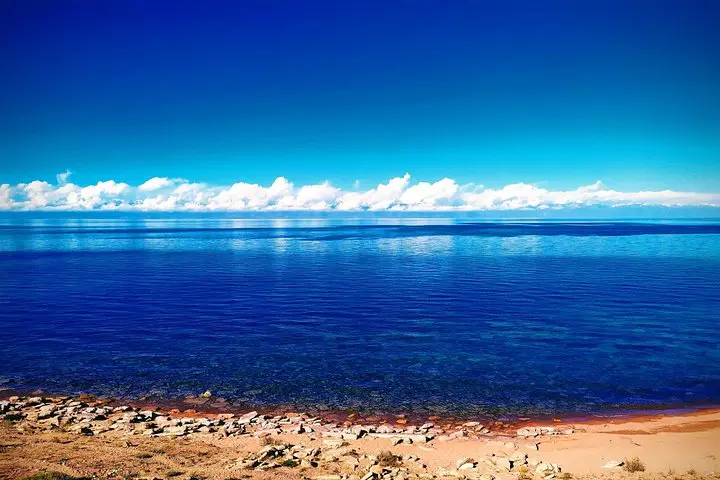
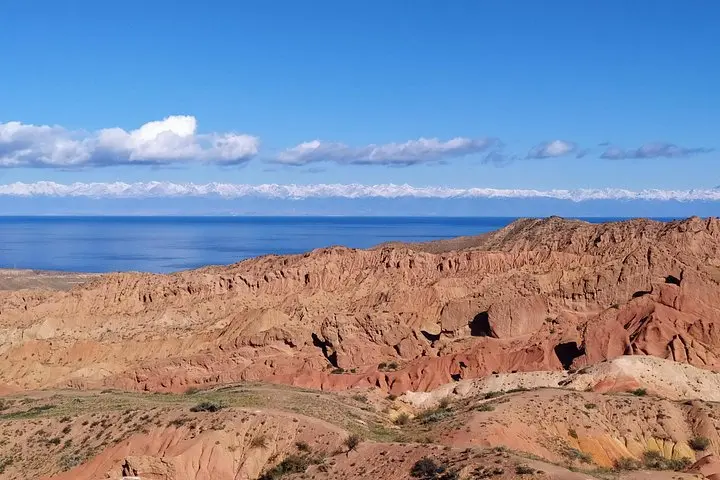
The morning opens over the Chui Valley in a wash of cold light; the road hums east and the mountains push a cool, conifer-scented breath through the bus windows. By midday the south shore of Issyk‑Kul unfurls — the lake’s surface dares you with sudden glints while red sandstone ribs of Fairy Tale Canyon loom like weathered sculptures.
The morning opens over the Chui Valley in a wash of cold light; the road hums east and the mountains push a cool, conifer-scented breath through the bus windows. By midday the south shore of Issyk‑Kul unfurls — the lake’s surface dares you with sudden glints while red sandstone ribs of Fairy Tale Canyon loom like weathered sculptures.
This two‑day route stitches Kyrgyz history and geology together: the Burana Tower marks the old Silk Road city of Balasagun and stands as a human counterpoint to the region’s wind‑carved canyons. Skazka (Fairy Tale) Canyon shows millennia of erosion in sculpted cliffs; Barskoon Gorge trades sandstone for spruce‑lined valleys and tumbling waterfalls where Soviet‑era stories mix with local oral tradition.
Culture appears in the simple geometry of a yurt camp on the shore — felt, wooden beams, and communal dinner around a low table. Guides offer context on nomadic patterns and the practical reasons yurts endure here: breathable insulation and quick assembly suited to mountain weather.
Practical guidance: pack layered clothing for sharp diurnal swings, bring sturdy shoes for uneven canyon footing and wet trails to waterfalls, and carry three liters of water between stops. Expect light walks and photo stops more than technical hiking, but be ready for loose sand and short scree sections in canyons.
Timing matters: early starts avoid midday glare on the lake and give better photos at Burana and Skazka. Respect fragile formations — stay on marked tracks — and treat the yurt stay as both comfort and cultural exchange: ask about traditions, and leave no trace behind.