THE ADVENTURE COLLECTIVE® · Independent discovery and booking for outdoor travel

Hit two UNESCO sites in two days: travertine terraces at Huanglong and the mirror-like lakes of Jiuzhaigou. This private train-assisted itinerary compresses high-country geology, boardwalk hikes and cultural waypoints into a tightly paced but walkable trip.
Hit two UNESCO sites in two days: travertine terraces at Huanglong and the mirror-like lakes of Jiuzhaigou. This private train-assisted itinerary compresses high-country geology, boardwalk hikes and cultural waypoints into a tightly paced but walkable trip.
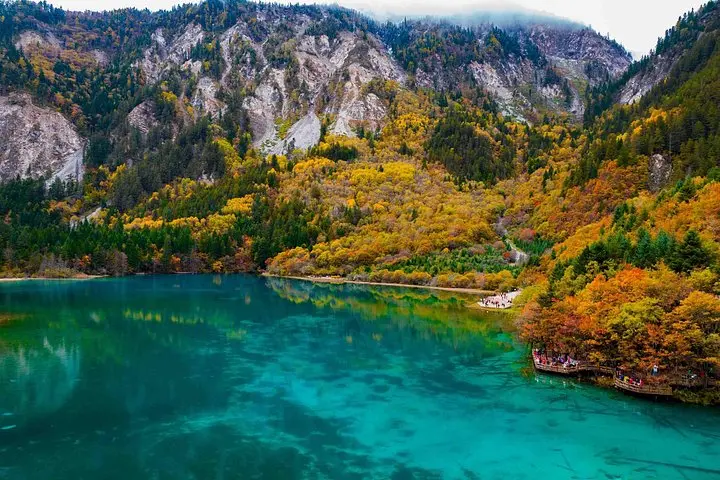
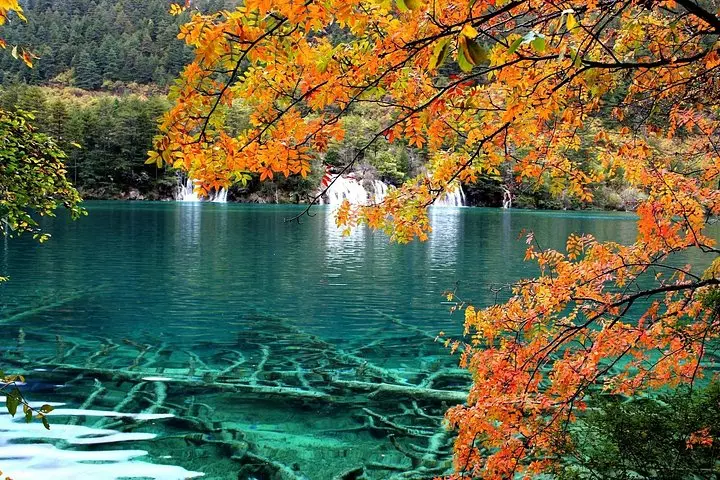
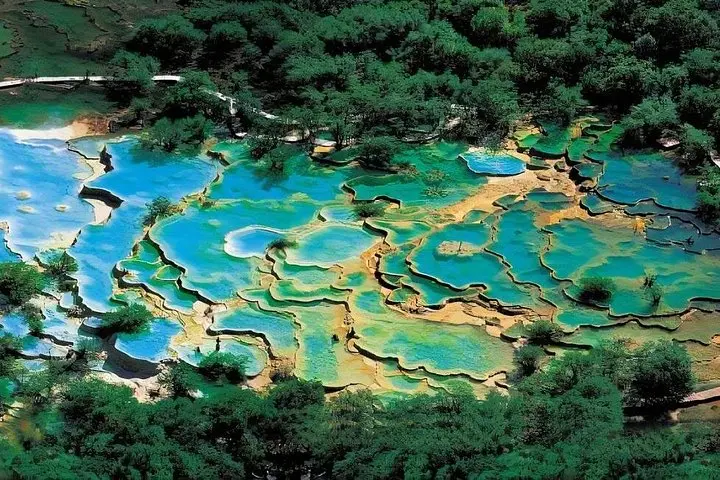
The morning train pulls out of Chengdu and the landscape begins to change: low plains give way to pine-stippled hills and, eventually, the pale terraces and limpid pools of Sichuan’s high country. By midday you’re stepping onto a wooden boardwalk above water that seems to hold the sky—Huanglong’s calcified terraces glow in banded pastel, while Jiuzhaigou’s lakes reflect alpine forest like pocket mirrors.
Verified experiences and guided adventures in the surrounding area.
Operated by Samtour of Chengdu OTC Travel · Jiuzhaigou County, Sichuan
The morning train pulls out of Chengdu and the landscape begins to change: low plains give way to pine-stippled hills and, eventually, the pale terraces and limpid pools of Sichuan’s high country. By midday you’re stepping onto a wooden boardwalk above water that seems to hold the sky—Huanglong’s calcified terraces glow in banded pastel, while Jiuzhaigou’s lakes reflect alpine forest like pocket mirrors.
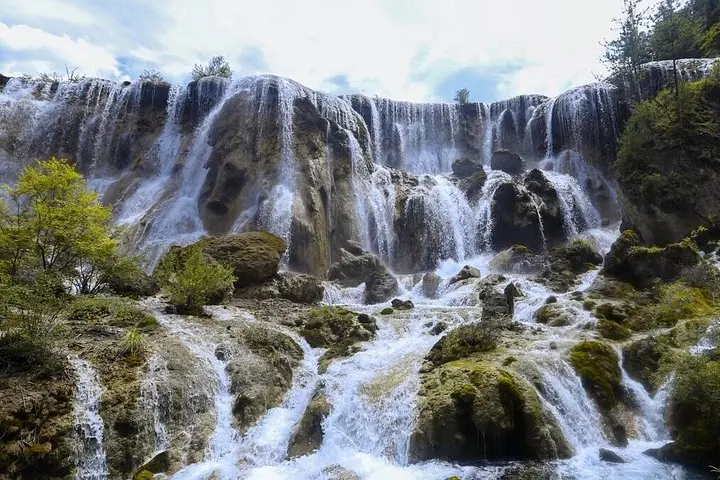
These parks are UNESCO-listed for good reason. Huanglong is shaped by travertine and hot-spring chemistry, its “Five Colors Pond” formed where mineral-rich water deposits scalloped terraces. Jiuzhaigou sits in a glacial valley carved and dammed over millennia; its lakes, waterfalls and mixed conifer forests are central to local Tibetan and Qiang culture, with temples and village sites on the high ridges.
Expect wooden plankways, shuttle buses within Jiuzhaigou, and a one-way cable car at Huanglong. Altitude is a player—both sites sit above 2,500 m—so the air feels thinner and the light clearer. History here is as much human as geological: pilgrimage routes, temple ruins and pastoral summer pastures still punctuate the scenery.
Practically: wear sturdy walking shoes and layers, start early to avoid crowds and maximize golden-hour reflections, and carry water and sunscreen. The tour uses bullet train connections and private transfers, with one 4-star night in Jiuzhaigou County—so you’ll move fast but sleep well. If you’re after high-country lakes, boardwalk accessibility and compact, photogenic geology, this two-day loop is efficient, immersive and largely walk-friendly.
Expect several hours of moderate walking each day on mostly flat wooden boardwalks, with some stairs and short uphill stretches—easy for most people with reasonable fitness.
Yes. Passport details are required for train ticketing and must be provided after booking to issue tickets.
Breakfast is included; other meals are generally not, so plan for lunches and dinners in Jiuzhaigou County or bring snacks for park visits.
Yes—the itinerary includes 2nd class bullet train tickets by default, and upgrades to 1st class are often possible for an additional fee.
Samtour of Chengdu OTC Travel operates guided outdoor trips and adventures with an emphasis on safety, stewardship, and memorable experiences.
The morning train pulls out of Chengdu and the landscape begins to change: low plains give way to pine-stippled hills and, eventually, the pale terraces and limpid pools of Sichuan’s high country. By midday you’re stepping onto a wooden boardwalk above water that seems to hold the sky—Huanglong’s calcified terraces glow in banded pastel, while Jiuzhaigou’s lakes reflect alpine forest like pocket mirrors.
The morning train pulls out of Chengdu and the landscape begins to change: low plains give way to pine-stippled hills and, eventually, the pale terraces and limpid pools of Sichuan’s high country. By midday you’re stepping onto a wooden boardwalk above water that seems to hold the sky—Huanglong’s calcified terraces glow in banded pastel, while Jiuzhaigou’s lakes reflect alpine forest like pocket mirrors.
These parks are UNESCO-listed for good reason. Huanglong is shaped by travertine and hot-spring chemistry, its “Five Colors Pond” formed where mineral-rich water deposits scalloped terraces. Jiuzhaigou sits in a glacial valley carved and dammed over millennia; its lakes, waterfalls and mixed conifer forests are central to local Tibetan and Qiang culture, with temples and village sites on the high ridges.
Expect wooden plankways, shuttle buses within Jiuzhaigou, and a one-way cable car at Huanglong. Altitude is a player—both sites sit above 2,500 m—so the air feels thinner and the light clearer. History here is as much human as geological: pilgrimage routes, temple ruins and pastoral summer pastures still punctuate the scenery.
Practically: wear sturdy walking shoes and layers, start early to avoid crowds and maximize golden-hour reflections, and carry water and sunscreen. The tour uses bullet train connections and private transfers, with one 4-star night in Jiuzhaigou County—so you’ll move fast but sleep well. If you’re after high-country lakes, boardwalk accessibility and compact, photogenic geology, this two-day loop is efficient, immersive and largely walk-friendly.