THE ADVENTURE COLLECTIVE® · Independent discovery and booking for outdoor travel

See Petra’s carved facades at first light, sleep under Wadi Rum’s desert sky, then float in the mineral-rich Dead Sea—all in a private, two-day itinerary from Amman. Practical timing, local insights and what to pack for a quick but complete Jordanian circuit.
See Petra’s carved facades at first light, sleep under Wadi Rum’s desert sky, then float in the mineral-rich Dead Sea—all in a private, two-day itinerary from Amman. Practical timing, local insights and what to pack for a quick but complete Jordanian circuit.
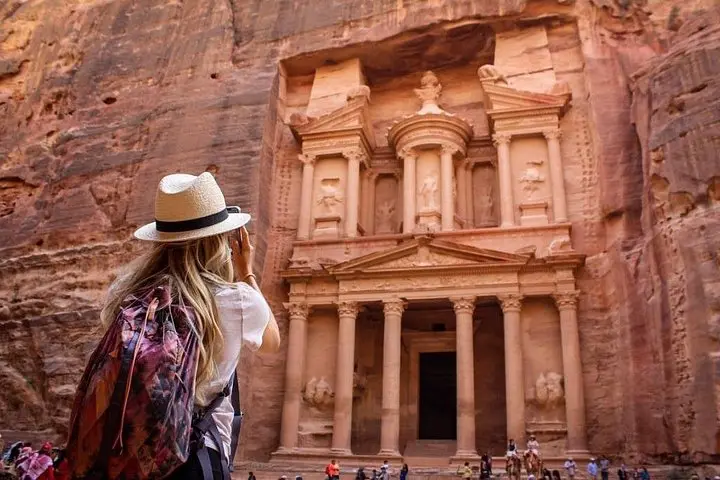
You step out before dawn and the canyon exhales light. The Siq at Petra tightens around you like a sandstone corridor, and the first glimpse of the Khazneh cuts through the cool morning like a carved promise. Over the next 48 hours you move through three distinct geographies: the rose-red cliffs of an ancient trade hub, the lunar reaches of Wadi Rum where wind has shaped mountains into monuments, and the glossy mirror of the Dead Sea, lying 432 meters below sea level.
Verified experiences and guided adventures in the surrounding area.
Operated by We Guide Travel · Wadi Musa (Petra), Ma'an Governorate
You step out before dawn and the canyon exhales light. The Siq at Petra tightens around you like a sandstone corridor, and the first glimpse of the Khazneh cuts through the cool morning like a carved promise. Over the next 48 hours you move through three distinct geographies: the rose-red cliffs of an ancient trade hub, the lunar reaches of Wadi Rum where wind has shaped mountains into monuments, and the glossy mirror of the Dead Sea, lying 432 meters below sea level.
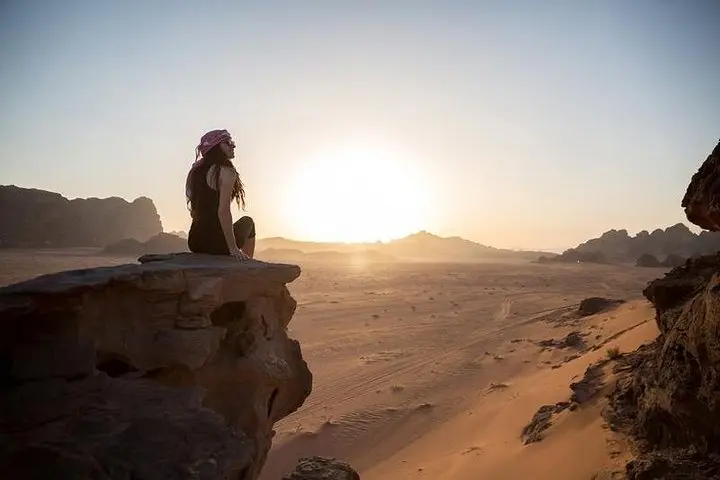
Petra was the Nabatean capital, engineered more than two millennia ago to control caravan routes and water storage—catchments, dams and channels still visible if you look closely. Wadi Rum’s cliffs are Cambrian sandstone and granite, grooved by millennia of wind and temperature swings; its ridgelines framed the desert warfare and diplomacy of T.E. Lawrence in the early 20th century and later provided backdrops for filmmakers seeking otherworldly landscapes. The Dead Sea’s brutal salinity has no fish, but it has been a healing and mythic destination since Biblical times; its mineral mud earned a reputation for therapeutic bathing long before modern resorts claimed it for spa culture.
Culturally, the trip threads Bedouin hospitality through every stop. Dinner in a Wadi Rum camp is slow-cooked and salted with conversation; guides are often locals who read rock faces and sand tracks like maps. Conservation matters here—water is precious, camps operate with generators and limited waste systems, and the desert’s subtle life (reptiles, larks, nocturnal foxes) is fragile underfoot.
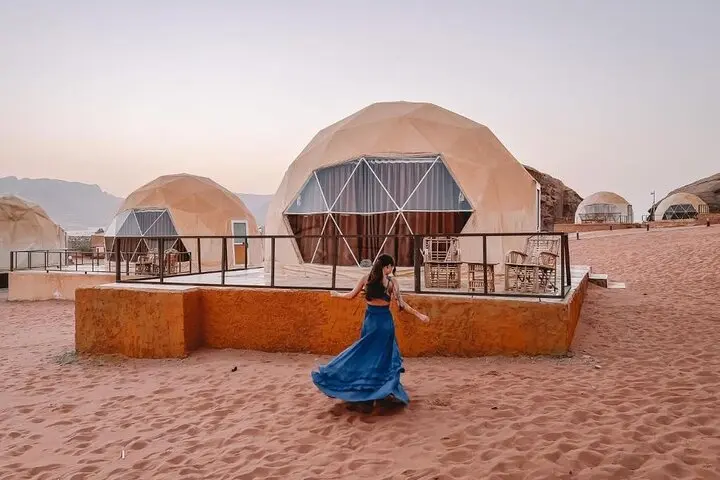
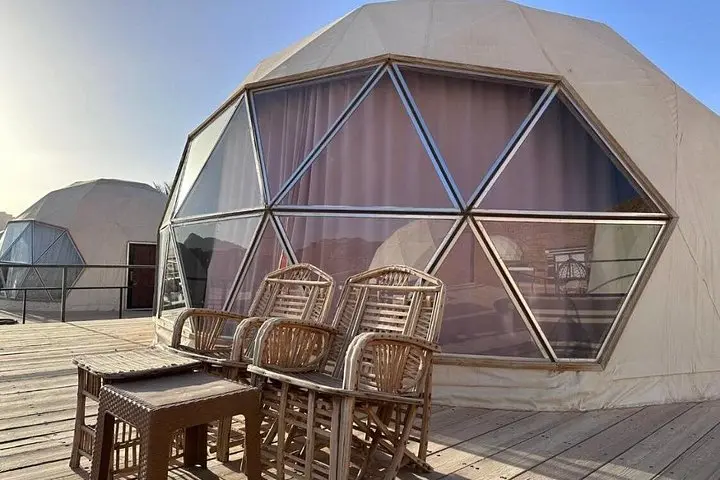
Practical notes: leave Amman early—expect roughly three hours’ drive to Petra (about 225 km). Allow 3–4 hours for a focused Petra visit: walk the Siq, linger at the Treasury, and if you can climb, the Monastery rewards with a quieter panorama. In Wadi Rum, the guided sunset Jeep tour runs ~2.5 hours over sand and light—you’ll want closed shoes and a scarf for wind. The overnight stays are in private tents (deluxe or Martian-style) with private bathrooms and AC at many camps. Day two moves you from desert to shoreline: plan 2–3 hours at the Dead Sea resort to float, apply mineral mud, and use facilities.
Gear and pacing matter more than theatrics: structured walking in Petra, short hikes and vehicle transfers in Wadi Rum, and calm float time at the Dead Sea. Hydrate ahead, protect skin from intense sun, and budget time—each place rewards lingering. If you want the full arc of Jordan’s landscape in a compressed window, this two-day private run from Amman stitches history, geology and desert hospitality into a compact, manageable adventure.
Entrance fees to Petra are not included by default—confirm with your operator and budget for the site’s ticket, which varies by season and duration of visit.
Visa requirements depend on nationality; many travelers can obtain a visa on arrival in Jordan or get one in advance—check current government guidance before travel.
This tour includes private tents (deluxe or Martian-style) with private bathroom and AC as listed, but confirm specific camp amenities when booking.
Yes—swimming is more like floating due to extreme salinity; public and resort beaches provide access, showers and changing rooms.
The tour is marked suitable for all fitness levels, but Petra involves stairs and uneven ground; discuss mobility needs with the operator for customized pacing.
Tipping is customary—consider modest amounts per person per day (e.g., drivers $5–10, guides $10–20) and more for outstanding service.
We Guide Travel operates guided outdoor trips and adventures with an emphasis on safety, stewardship, and memorable experiences.
You step out before dawn and the canyon exhales light. The Siq at Petra tightens around you like a sandstone corridor, and the first glimpse of the Khazneh cuts through the cool morning like a carved promise. Over the next 48 hours you move through three distinct geographies: the rose-red cliffs of an ancient trade hub, the lunar reaches of Wadi Rum where wind has shaped mountains into monuments, and the glossy mirror of the Dead Sea, lying 432 meters below sea level.
You step out before dawn and the canyon exhales light. The Siq at Petra tightens around you like a sandstone corridor, and the first glimpse of the Khazneh cuts through the cool morning like a carved promise. Over the next 48 hours you move through three distinct geographies: the rose-red cliffs of an ancient trade hub, the lunar reaches of Wadi Rum where wind has shaped mountains into monuments, and the glossy mirror of the Dead Sea, lying 432 meters below sea level.
Petra was the Nabatean capital, engineered more than two millennia ago to control caravan routes and water storage—catchments, dams and channels still visible if you look closely. Wadi Rum’s cliffs are Cambrian sandstone and granite, grooved by millennia of wind and temperature swings; its ridgelines framed the desert warfare and diplomacy of T.E. Lawrence in the early 20th century and later provided backdrops for filmmakers seeking otherworldly landscapes. The Dead Sea’s brutal salinity has no fish, but it has been a healing and mythic destination since Biblical times; its mineral mud earned a reputation for therapeutic bathing long before modern resorts claimed it for spa culture.
Culturally, the trip threads Bedouin hospitality through every stop. Dinner in a Wadi Rum camp is slow-cooked and salted with conversation; guides are often locals who read rock faces and sand tracks like maps. Conservation matters here—water is precious, camps operate with generators and limited waste systems, and the desert’s subtle life (reptiles, larks, nocturnal foxes) is fragile underfoot.
Practical notes: leave Amman early—expect roughly three hours’ drive to Petra (about 225 km). Allow 3–4 hours for a focused Petra visit: walk the Siq, linger at the Treasury, and if you can climb, the Monastery rewards with a quieter panorama. In Wadi Rum, the guided sunset Jeep tour runs ~2.5 hours over sand and light—you’ll want closed shoes and a scarf for wind. The overnight stays are in private tents (deluxe or Martian-style) with private bathrooms and AC at many camps. Day two moves you from desert to shoreline: plan 2–3 hours at the Dead Sea resort to float, apply mineral mud, and use facilities.
Gear and pacing matter more than theatrics: structured walking in Petra, short hikes and vehicle transfers in Wadi Rum, and calm float time at the Dead Sea. Hydrate ahead, protect skin from intense sun, and budget time—each place rewards lingering. If you want the full arc of Jordan’s landscape in a compressed window, this two-day private run from Amman stitches history, geology and desert hospitality into a compact, manageable adventure.