THE ADVENTURE COLLECTIVE® · Independent discovery and booking for outdoor travel

Two full days of guided sightseeing by private van connect Kamakura’s medieval temples and coastal views with Tokyo’s historic shrines and skyline viewpoints. Perfect for travelers who want efficient, flexible access to key cultural sites with an English-speaking driver.
Two full days of guided sightseeing by private van connect Kamakura’s medieval temples and coastal views with Tokyo’s historic shrines and skyline viewpoints. Perfect for travelers who want efficient, flexible access to key cultural sites with an English-speaking driver.
Morning light slides over Sagami Bay as a comfortable van eases out of Tokyo toward Kamakura: salt on the air, cedar steps climbing toward a bronze face that has watched the tide for centuries. The first day moves deliberately through temple grounds—Hasedera’s carved Kannon, Hokokuji’s bamboo grove—and along the coast to Enoshima’s sea-scraped shrines and lookout points where Mt. Fuji sometimes crowns the horizon.
Verified experiences and guided adventures in the surrounding area.
Operated by NIHON HORIZON TOUR · Kamakura, Kanagawa
Morning light slides over Sagami Bay as a comfortable van eases out of Tokyo toward Kamakura: salt on the air, cedar steps climbing toward a bronze face that has watched the tide for centuries. The first day moves deliberately through temple grounds—Hasedera’s carved Kannon, Hokokuji’s bamboo grove—and along the coast to Enoshima’s sea-scraped shrines and lookout points where Mt. Fuji sometimes crowns the horizon.
Kamakura was Japan’s seat of samurai government from the late 12th century, its temples and stonework shaped by medieval politics and coastal geology: ancient marine terraces, volcanic offshore islands, and bays that have drawn pilgrims and fishermen alike. Tokyo’s second day flips the script—Edo-period lanes at Senso-ji, the imperial moats that recall Edo Castle, and the vertical modernity of Tokyo Skytree—showing how centuries stack in one urban sweep.
Practically: expect two full days of mostly easy walking punctuated by short van rides. Start early in Kamakura to beat crowds at the Great Buddha and Hasedera; plan time on Enoshima for coastal stairs and viewpoints. In Tokyo, factor in 30–60 minute stops at major sites and extra time for crowds at Shibuya and Takeshita Street. Carry small bills for shrine offerings and street food, bring a power bank for photos, and dress in layers—temple interiors are cool even on hot days. The private van provides flexibility for photo stops and accessibility needs, but narrow temple paths can include steps; modest, respectful behavior at shrines is expected.
This itinerary balances heritage and city contrast, giving a compact, practical window into Kanto’s history and present.
Most temple and observation deck admissions are not included; check the itinerary and budget for small entrance fees.
Yes—the private van format allows tailoring stops, timing, and skipping or adding sites based on group preference.
The van and many sites are accessible, but some temples and viewpoints have steps or uneven surfaces—confirm specific accessibility needs in advance.
Tipping is not customary in Japan; polite thanks and small gifts are appreciated but not required.
NIHON HORIZON TOUR operates guided outdoor trips and adventures with an emphasis on safety, stewardship, and memorable experiences.
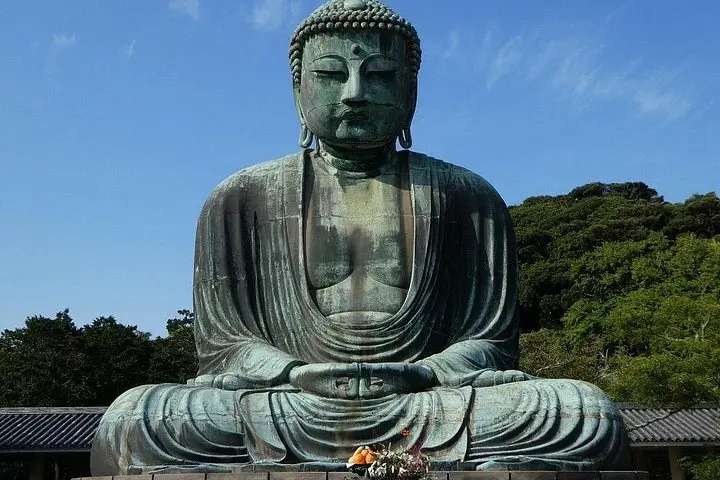
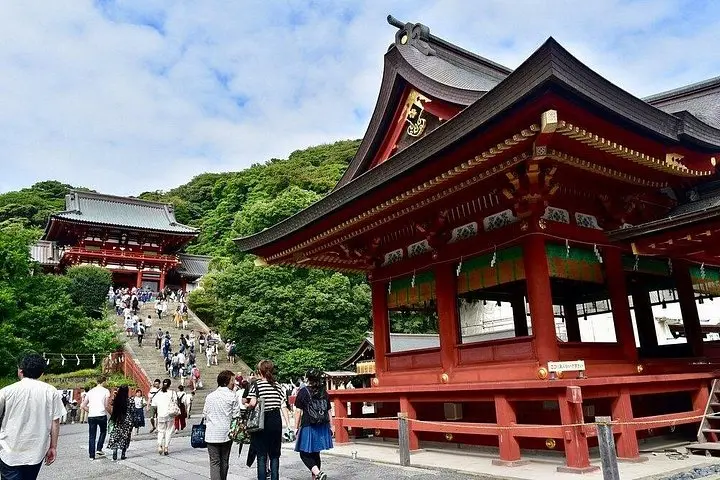
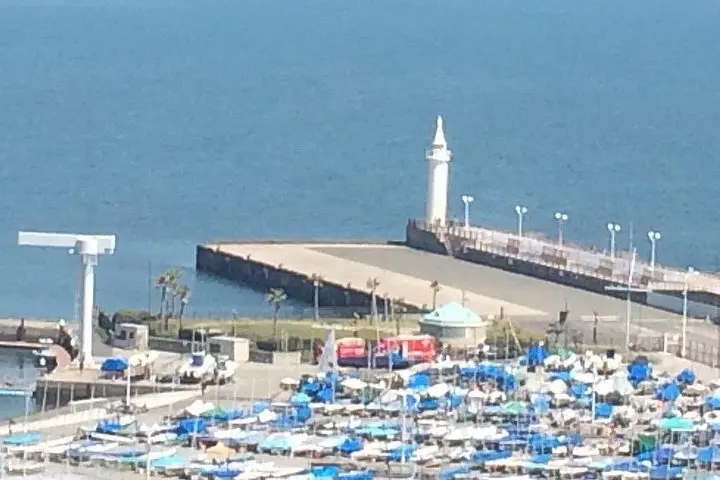
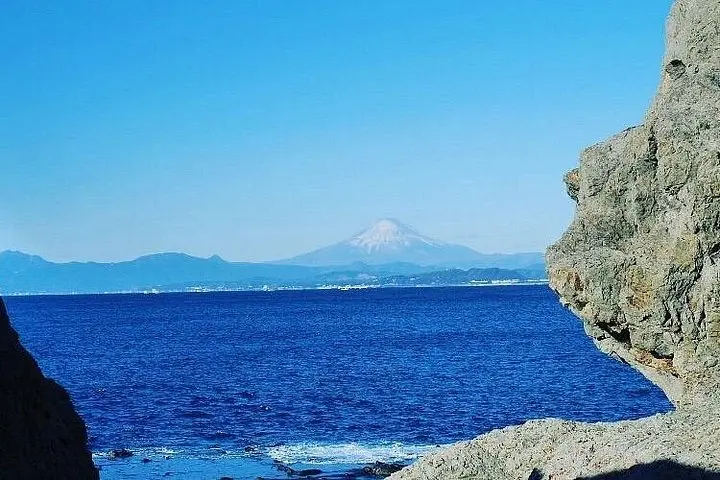
Morning light slides over Sagami Bay as a comfortable van eases out of Tokyo toward Kamakura: salt on the air, cedar steps climbing toward a bronze face that has watched the tide for centuries. The first day moves deliberately through temple grounds—Hasedera’s carved Kannon, Hokokuji’s bamboo grove—and along the coast to Enoshima’s sea-scraped shrines and lookout points where Mt. Fuji sometimes crowns the horizon.
Morning light slides over Sagami Bay as a comfortable van eases out of Tokyo toward Kamakura: salt on the air, cedar steps climbing toward a bronze face that has watched the tide for centuries. The first day moves deliberately through temple grounds—Hasedera’s carved Kannon, Hokokuji’s bamboo grove—and along the coast to Enoshima’s sea-scraped shrines and lookout points where Mt. Fuji sometimes crowns the horizon.
Kamakura was Japan’s seat of samurai government from the late 12th century, its temples and stonework shaped by medieval politics and coastal geology: ancient marine terraces, volcanic offshore islands, and bays that have drawn pilgrims and fishermen alike. Tokyo’s second day flips the script—Edo-period lanes at Senso-ji, the imperial moats that recall Edo Castle, and the vertical modernity of Tokyo Skytree—showing how centuries stack in one urban sweep.
Practically: expect two full days of mostly easy walking punctuated by short van rides. Start early in Kamakura to beat crowds at the Great Buddha and Hasedera; plan time on Enoshima for coastal stairs and viewpoints. In Tokyo, factor in 30–60 minute stops at major sites and extra time for crowds at Shibuya and Takeshita Street. Carry small bills for shrine offerings and street food, bring a power bank for photos, and dress in layers—temple interiors are cool even on hot days. The private van provides flexibility for photo stops and accessibility needs, but narrow temple paths can include steps; modest, respectful behavior at shrines is expected.
This itinerary balances heritage and city contrast, giving a compact, practical window into Kanto’s history and present.