THE ADVENTURE COLLECTIVE® · Independent discovery and booking for outdoor travel

Spend two focused days exploring Kathmandu’s UNESCO sites, from Swayambhunath’s rooftop views to Boudhanath’s Tibetan-influenced stupa and the medieval courtyards of Patan and Bhaktapur. This private tour pairs cultural context with practical logistics for short-stay visitors.
Spend two focused days exploring Kathmandu’s UNESCO sites, from Swayambhunath’s rooftop views to Boudhanath’s Tibetan-influenced stupa and the medieval courtyards of Patan and Bhaktapur. This private tour pairs cultural context with practical logistics for short-stay visitors.
The tour opens beneath a low, early-morning sky over Kathmandu: horns, prayer flags, and the smell of frying lentils. A private vehicle threads through crowded lanes toward Swayambhunath — the Monkey Temple — where whitewashed stupas and watchful monkeys greet the valley below. Over two days you'll move at the rhythm of the city, from the stone courtyards of Durbar Square to the spinning prayer wheels around Boudhanath.
Verified experiences and guided adventures in the surrounding area.
Operated by Himalayan Recreation Treks & Expedition Pvt.Ltd · Kathmandu, Bagmati Province
The tour opens beneath a low, early-morning sky over Kathmandu: horns, prayer flags, and the smell of frying lentils. A private vehicle threads through crowded lanes toward Swayambhunath — the Monkey Temple — where whitewashed stupas and watchful monkeys greet the valley below. Over two days you'll move at the rhythm of the city, from the stone courtyards of Durbar Square to the spinning prayer wheels around Boudhanath.
Kathmandu Valley has been a cultural crossroads for centuries. Its layered history includes medieval Newar craftsmanship, Tibetan Buddhist influence, and Hindu royal courts; much of this is visible in carved wooden windows, tiered pagodas, and the concentric layout of stupas and squares. Geologically the valley sits in a sedimentary basin hemmed by the Kathmandu Himalaya; the 2015 earthquakes damaged many monuments and restoration is ongoing, which is part of the modern story you'll witness.
Expect intimate encounters with living traditions: Kumari worship in the Durbar precinct, saffron-clad monks at Boudhanath, and the smoke-wreathed banks of the Bagmati at Pashupatinath. Local guides explain symbolism in stone and ritual while navigating busy markets and narrow alleys.
Practical notes: hotel pickup and private transport are included, Spanish/English guides are common but confirm language in advance. Carry cash for small temple donations and lunch (the operator suggests ~$10 USD). Respect access rules at Pashupatinath—non-Hindus view from the riverbank—and wear modest clothing for temple visits. Comfortable shoes, sun protection, and patience in traffic will make two rich days in Kathmandu both manageable and memorable.
Some admissions may be included but many tours list admissions as not included—bring cash and check with the operator ahead of time.
Non-Hindus are not permitted inside the main temple complex but can observe rituals from the opposite bank of the Bagmati River.
Yes—tour is rated easy and private transport reduces strain, though minimum age is often 8; expect walking and temple steps.
Several monuments suffered damage and many have been under restoration since; guides typically point out restoration work and explain what has changed.
Himalayan Recreation Treks & Expedition Pvt.Ltd operates guided outdoor trips and adventures with an emphasis on safety, stewardship, and memorable experiences.
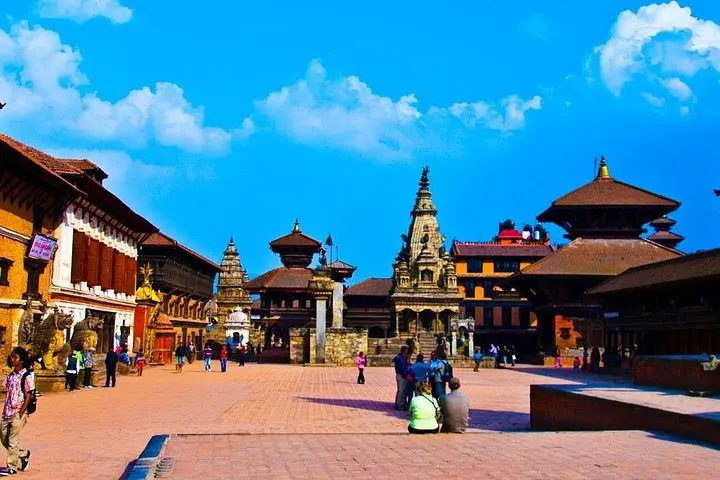
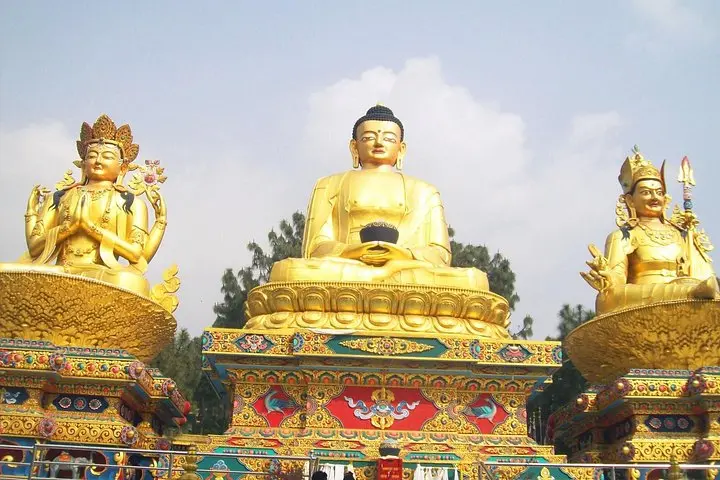
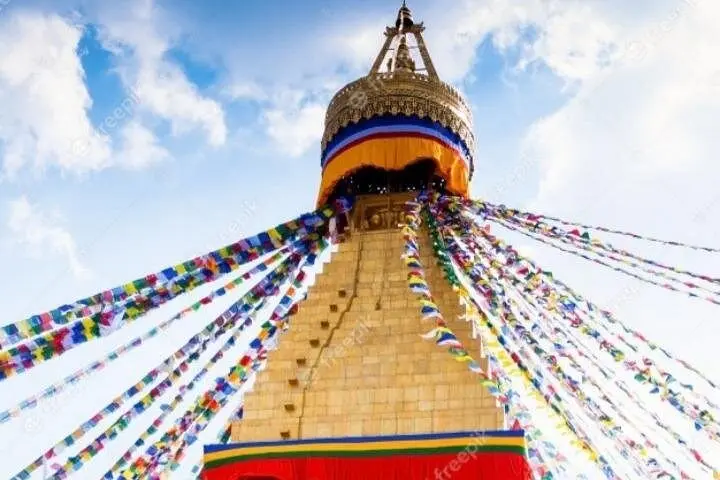
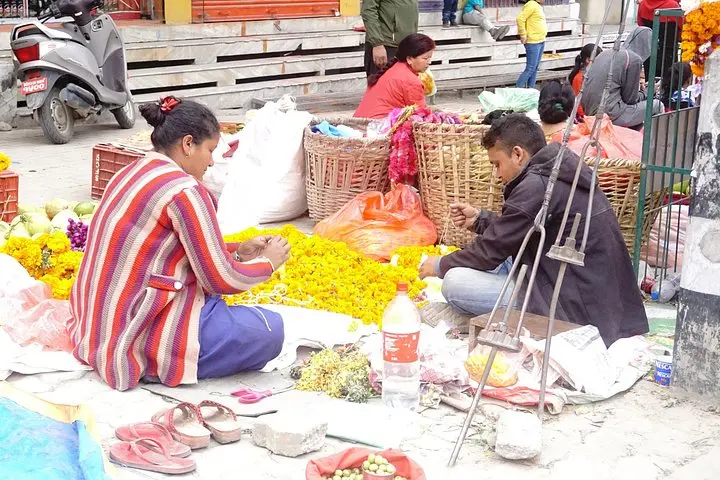
The tour opens beneath a low, early-morning sky over Kathmandu: horns, prayer flags, and the smell of frying lentils. A private vehicle threads through crowded lanes toward Swayambhunath — the Monkey Temple — where whitewashed stupas and watchful monkeys greet the valley below. Over two days you'll move at the rhythm of the city, from the stone courtyards of Durbar Square to the spinning prayer wheels around Boudhanath.
The tour opens beneath a low, early-morning sky over Kathmandu: horns, prayer flags, and the smell of frying lentils. A private vehicle threads through crowded lanes toward Swayambhunath — the Monkey Temple — where whitewashed stupas and watchful monkeys greet the valley below. Over two days you'll move at the rhythm of the city, from the stone courtyards of Durbar Square to the spinning prayer wheels around Boudhanath.
Kathmandu Valley has been a cultural crossroads for centuries. Its layered history includes medieval Newar craftsmanship, Tibetan Buddhist influence, and Hindu royal courts; much of this is visible in carved wooden windows, tiered pagodas, and the concentric layout of stupas and squares. Geologically the valley sits in a sedimentary basin hemmed by the Kathmandu Himalaya; the 2015 earthquakes damaged many monuments and restoration is ongoing, which is part of the modern story you'll witness.
Expect intimate encounters with living traditions: Kumari worship in the Durbar precinct, saffron-clad monks at Boudhanath, and the smoke-wreathed banks of the Bagmati at Pashupatinath. Local guides explain symbolism in stone and ritual while navigating busy markets and narrow alleys.
Practical notes: hotel pickup and private transport are included, Spanish/English guides are common but confirm language in advance. Carry cash for small temple donations and lunch (the operator suggests ~$10 USD). Respect access rules at Pashupatinath—non-Hindus view from the riverbank—and wear modest clothing for temple visits. Comfortable shoes, sun protection, and patience in traffic will make two rich days in Kathmandu both manageable and memorable.