THE ADVENTURE COLLECTIVE® · Independent discovery and booking for outdoor travel

Two days in the Kathmandu Valley pairs sunrise over the Himalaya with concentrated cultural exploration: UNESCO squares, Boudhanath’s stupa, Swayambhu’s monkeys and a gentle Nagarkot-to-Changunarayan walk. This concise itinerary balances views with practical advice for first-time visitors.
Two days in the Kathmandu Valley pairs sunrise over the Himalaya with concentrated cultural exploration: UNESCO squares, Boudhanath’s stupa, Swayambhu’s monkeys and a gentle Nagarkot-to-Changunarayan walk. This concise itinerary balances views with practical advice for first-time visitors.
You wake before dawn in Nagarkot and the mountain air pulls at your jacket like an expectant hand. The valley below is a low bowl of village lights; above, peaks—Everest, Annapurna, Dhaulagiri—stand like slow-moving weather, revealing themselves as color slices across the eastern sky.
Verified experiences and guided adventures in the surrounding area.
Operated by Himal Tourism Pvt.Ltd · Kathmandu, Bagmati Province
You wake before dawn in Nagarkot and the mountain air pulls at your jacket like an expectant hand. The valley below is a low bowl of village lights; above, peaks—Everest, Annapurna, Dhaulagiri—stand like slow-moving weather, revealing themselves as color slices across the eastern sky.
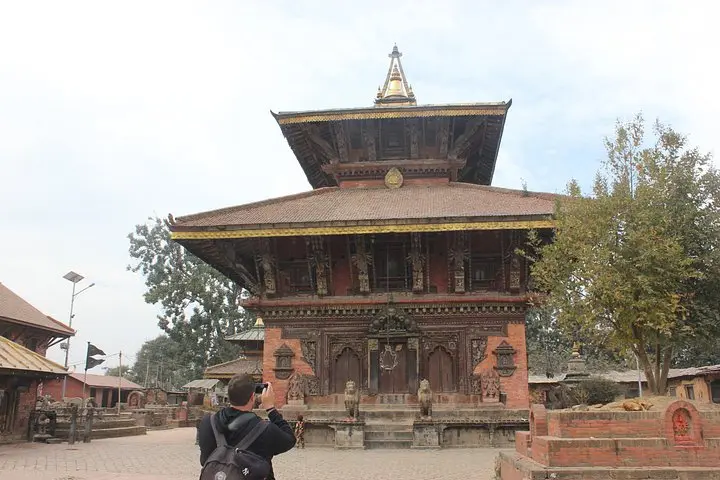
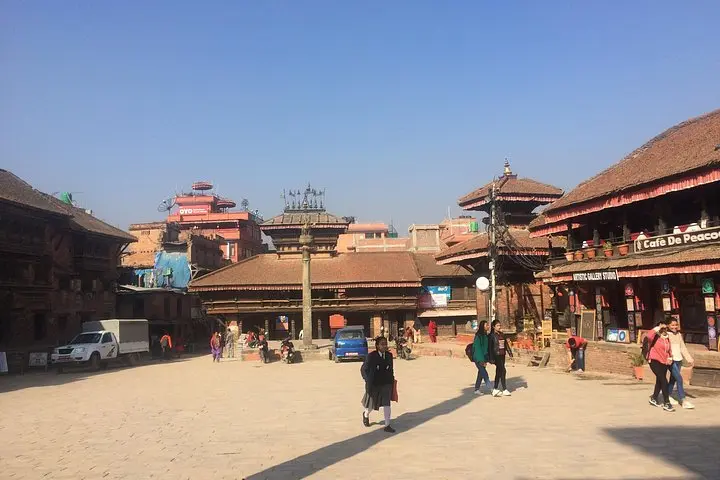
Daylight turns prayer flags into bright punctuation and the city’s centuries-old temples begin to hum. Over the next 48 hours the route threads Durbar Squares in Kathmandu, Patan and Bhaktapur, the white dome of Boudhanath, the monkey-guarded Swayambhu, and a gentle, culture-rich walk from Nagarkot down to the hilltop temple at Changu Narayan.
This landscape is geological theater: an uplifted valley rim of sedimentary rocks and river terraces carved by the Bagmati—then shaped by human hands through Newar craftsmanship and Rana and Malla-era palaces. The result is a compact cultural ecosystem where Hindu and Buddhist rites, Tibetan refugee communities and Tamang villages intersect.
Practical guidance: allocate early mornings for mountain views, mid-mornings for temple visits when shrines are active, and allow time for steep stone steps and narrow lanes. Wear sturdy shoes for uneven flagstones, bring sunscreen and a warm layer for Nagarkot’s wind, and carry small change for temple donations and local offerings.
Expect gentle hiking rather than technical trails, frequent photo stops, and encounters with rhesus macaques and Buddhist monks. The itinerary is ideal for travelers who want immersive culture with short, scenic walking between sites.
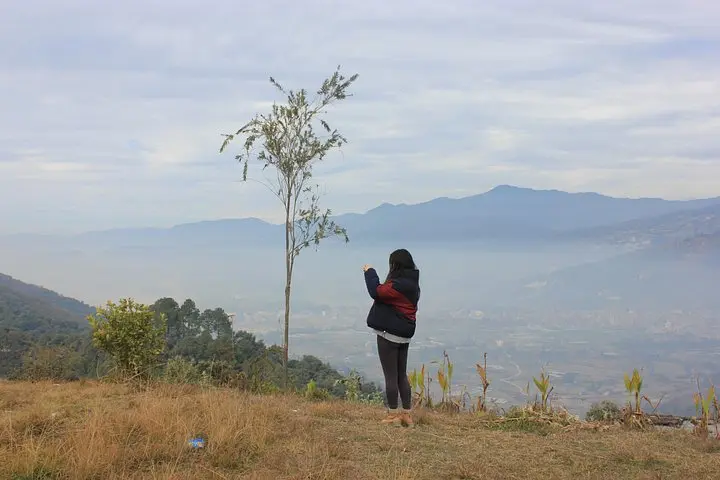
The walk is a gentle downhill route with stone steps and short steep sections—suitable for most travelers with basic mobility; allow 2–3 hours including stops.
General entry fees apply at Durbar Squares and some monuments; admission is usually included in guided tours but check your booking details.
On clear mornings yes—Nagarkot offers panoramic views of the eastern Himalayan range including Everest, Annapurna and Dhaulagiri, though visibility depends on weather.
Yes—it's designed for broad accessibility but expect stairs, narrow lanes and some walking; ask about vehicle drop-offs if mobility is limited.
Himal Tourism Pvt.Ltd operates guided outdoor trips and adventures with an emphasis on safety, stewardship, and memorable experiences.
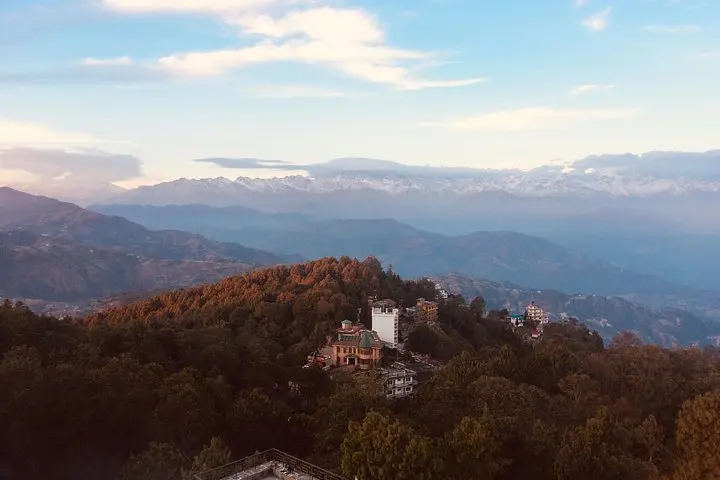
You wake before dawn in Nagarkot and the mountain air pulls at your jacket like an expectant hand. The valley below is a low bowl of village lights; above, peaks—Everest, Annapurna, Dhaulagiri—stand like slow-moving weather, revealing themselves as color slices across the eastern sky.
You wake before dawn in Nagarkot and the mountain air pulls at your jacket like an expectant hand. The valley below is a low bowl of village lights; above, peaks—Everest, Annapurna, Dhaulagiri—stand like slow-moving weather, revealing themselves as color slices across the eastern sky.
Daylight turns prayer flags into bright punctuation and the city’s centuries-old temples begin to hum. Over the next 48 hours the route threads Durbar Squares in Kathmandu, Patan and Bhaktapur, the white dome of Boudhanath, the monkey-guarded Swayambhu, and a gentle, culture-rich walk from Nagarkot down to the hilltop temple at Changu Narayan.
This landscape is geological theater: an uplifted valley rim of sedimentary rocks and river terraces carved by the Bagmati—then shaped by human hands through Newar craftsmanship and Rana and Malla-era palaces. The result is a compact cultural ecosystem where Hindu and Buddhist rites, Tibetan refugee communities and Tamang villages intersect.
Practical guidance: allocate early mornings for mountain views, mid-mornings for temple visits when shrines are active, and allow time for steep stone steps and narrow lanes. Wear sturdy shoes for uneven flagstones, bring sunscreen and a warm layer for Nagarkot’s wind, and carry small change for temple donations and local offerings.
Expect gentle hiking rather than technical trails, frequent photo stops, and encounters with rhesus macaques and Buddhist monks. The itinerary is ideal for travelers who want immersive culture with short, scenic walking between sites.