THE ADVENTURE COLLECTIVE® · Independent discovery and booking for outdoor travel

Two days of focused cultural exploration in Kyoto and Nara: temple architecture, market flavors and the famously curious deer of Nara Park. This private tour pairs local storytelling with easy drives and hands-on food stops.
Two days of focused cultural exploration in Kyoto and Nara: temple architecture, market flavors and the famously curious deer of Nara Park. This private tour pairs local storytelling with easy drives and hands-on food stops.
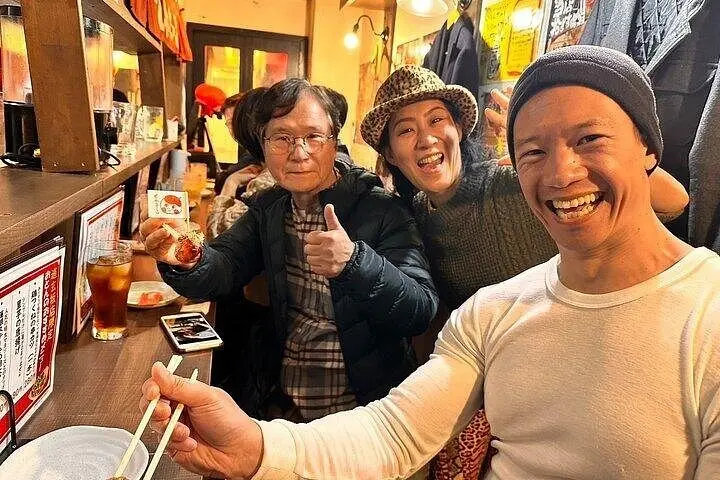
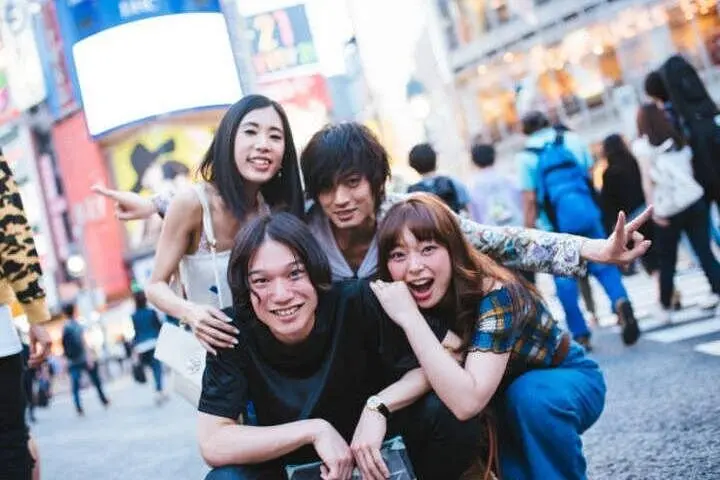
Morning light slides across Kyoto’s lacquered roofs as a private car pulls away from the hotel — the city opens like a map of layered histories. On day one the group moves through Gion’s wooden streets where geisha footsteps still mark the paving, halts at Nishiki Market’s narrow stalls to taste pickled vegetables and grilled seafood, then pauses by Kinkaku-ji’s gold-glazed facade reflecting on a calm pond.
Verified experiences and guided adventures in the surrounding area.
Operated by The Washoku Club Culture and Food Tours · Kyoto, Kyoto Prefecture
Morning light slides across Kyoto’s lacquered roofs as a private car pulls away from the hotel — the city opens like a map of layered histories. On day one the group moves through Gion’s wooden streets where geisha footsteps still mark the paving, halts at Nishiki Market’s narrow stalls to taste pickled vegetables and grilled seafood, then pauses by Kinkaku-ji’s gold-glazed facade reflecting on a calm pond.
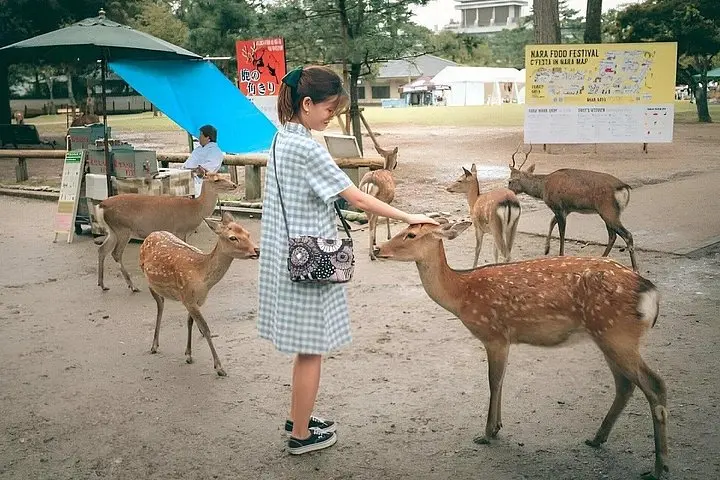
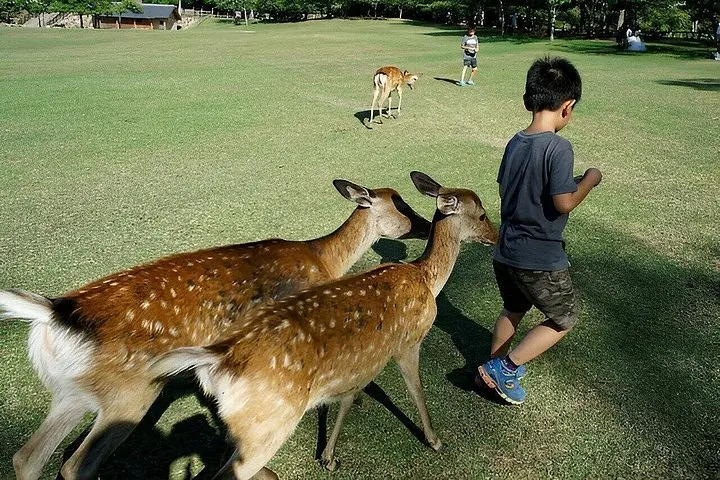
Kyoto was Japan’s imperial capital for over a millennium; its temples and alleys preserve Heian- and Muromachi-era art and ritual. Geology here is gentle — river terraces and low hills sculpt human settlement more than raw peaks — while the Kamo River quietly divides urban life and the tea-house neighborhoods. On day two the tour crosses into Nara, where free-roaming deer greet visitors in an open park and Tōdai-ji’s vast wooden Great Buddha Hall recalls the nation-building of the 8th century.
Expect a measured cultural tempo: food-centric stops, photo-ready viewpoints, and concise storytelling from a local guide. The itinerary balances shorter urban walks with easy drives between sites, making it accessible for most travelers.
Practical guidance: wear supportive shoes and bring a small daypack for purchases from Nishiki Market. Carry cash for shrine offerings and market snacks — many small vendors don’t take cards. Time visits early to avoid afternoon crowds at Kinkaku-ji and Tōdai-ji. If interacting with Nara’s deer, follow the guide’s directions; they approach boldly and can nip for food. Finally, confirm pickup details ahead of the tour and set aside two relaxed days to absorb both cities’ slow, architectural rhythms.
Yes; the tour includes hotel pickup within the designated pickup area — confirm your exact pickup point when booking.
Lunch and dinner are included according to the itinerary; snacks and market purchases are typically at your own expense unless noted.
Yes; the local guide can arrange alternatives if notified in advance via the booking question for special requirements.
Many sites are accessible by car and have flat approaches, but some temple grounds include stairs and uneven paths—contact the operator to confirm accessibility for specific needs.
The Washoku Club Culture and Food Tours operates guided outdoor trips and adventures with an emphasis on safety, stewardship, and memorable experiences.
Morning light slides across Kyoto’s lacquered roofs as a private car pulls away from the hotel — the city opens like a map of layered histories. On day one the group moves through Gion’s wooden streets where geisha footsteps still mark the paving, halts at Nishiki Market’s narrow stalls to taste pickled vegetables and grilled seafood, then pauses by Kinkaku-ji’s gold-glazed facade reflecting on a calm pond.
Morning light slides across Kyoto’s lacquered roofs as a private car pulls away from the hotel — the city opens like a map of layered histories. On day one the group moves through Gion’s wooden streets where geisha footsteps still mark the paving, halts at Nishiki Market’s narrow stalls to taste pickled vegetables and grilled seafood, then pauses by Kinkaku-ji’s gold-glazed facade reflecting on a calm pond.
Kyoto was Japan’s imperial capital for over a millennium; its temples and alleys preserve Heian- and Muromachi-era art and ritual. Geology here is gentle — river terraces and low hills sculpt human settlement more than raw peaks — while the Kamo River quietly divides urban life and the tea-house neighborhoods. On day two the tour crosses into Nara, where free-roaming deer greet visitors in an open park and Tōdai-ji’s vast wooden Great Buddha Hall recalls the nation-building of the 8th century.
Expect a measured cultural tempo: food-centric stops, photo-ready viewpoints, and concise storytelling from a local guide. The itinerary balances shorter urban walks with easy drives between sites, making it accessible for most travelers.
Practical guidance: wear supportive shoes and bring a small daypack for purchases from Nishiki Market. Carry cash for shrine offerings and market snacks — many small vendors don’t take cards. Time visits early to avoid afternoon crowds at Kinkaku-ji and Tōdai-ji. If interacting with Nara’s deer, follow the guide’s directions; they approach boldly and can nip for food. Finally, confirm pickup details ahead of the tour and set aside two relaxed days to absorb both cities’ slow, architectural rhythms.