THE ADVENTURE COLLECTIVE® · Independent discovery and booking for outdoor travel

A fast‑paced, luxury 2‑day safari that pairs Tarangire’s baobab-dotted plains and elephant concentrations with a full-day descent into Ngorongoro Crater. Perfect for travelers who want intense wildlife viewing and lodge comfort in a short window.
A fast‑paced, luxury 2‑day safari that pairs Tarangire’s baobab-dotted plains and elephant concentrations with a full-day descent into Ngorongoro Crater. Perfect for travelers who want intense wildlife viewing and lodge comfort in a short window.
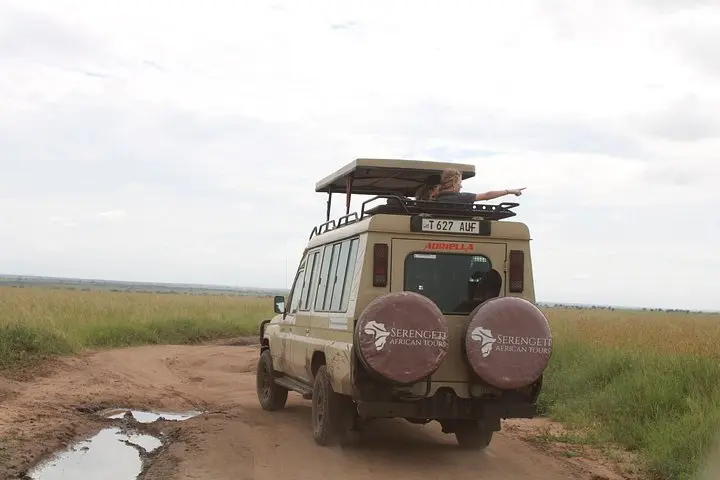
Dawn breaks over open savanna as a 4x4 eases past weathered baobabs and a scattering of grazing zebra; the air smells of dry grass and diesel, and the guide already has his eyes on the horizon.
Verified experiences and guided adventures in the surrounding area.
Operated by Serengeti African Tours · Arusha, Arusha Region
Dawn breaks over open savanna as a 4x4 eases past weathered baobabs and a scattering of grazing zebra; the air smells of dry grass and diesel, and the guide already has his eyes on the horizon.
This compact two-day safari moves fast but deliberately: a game drive through Tarangire National Park—famous for huge elephant herds and sculptural baobabs—then a dramatic descent of roughly 600 meters into Ngorongoro Crater, an ancient volcanic caldera that supports dense year‑round wildlife thanks to permanent water and rich soils.
Geology here is bold and readable: the crater is a collapsed volcano whose steep walls hold a mosaic of grasslands, woodlands and an alkaline lake at the rim. Culturally, the Maasai have grazed the highlands for generations and still manage livestock on crater skirts; local guides add context on land use, conservation and seasonal wildlife movements.
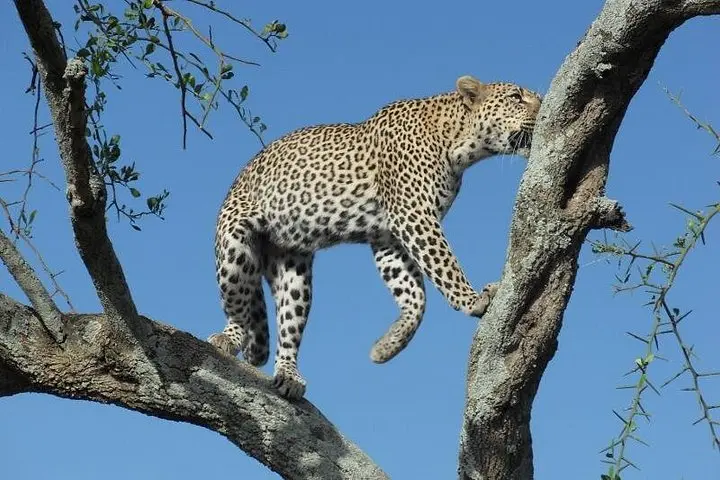
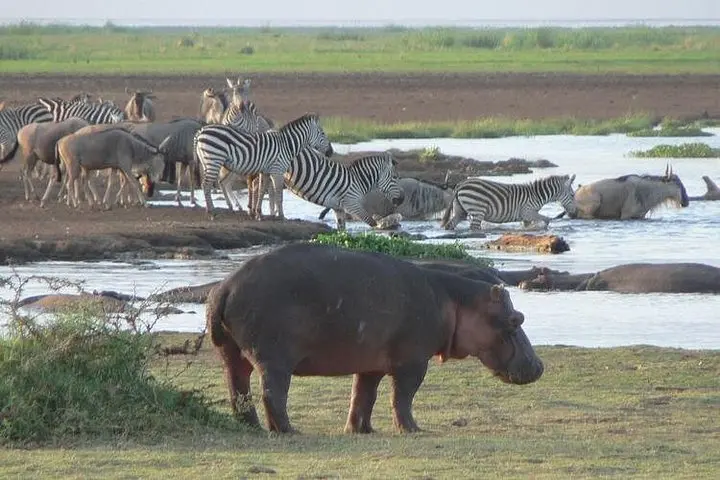
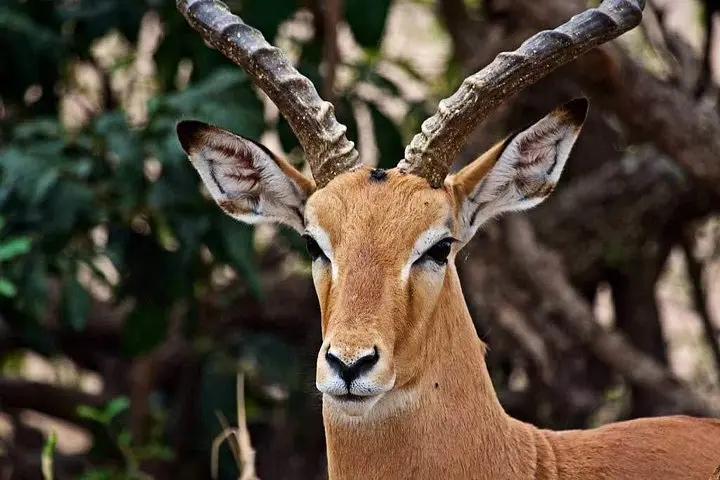
Practically, expect long game‑drive windows, early starts and a mix of smooth lodge transfers and bumpy park tracks. Park fees and most meals are normally included, and nights are spent in luxury lodges or tented camps with hot showers and meals provided. Binoculars and a camera with a mid‑telephoto are essential; plan layers for cool mornings and hot midday sun. Wildlife sightings range from elephant congregations and grazing ungulates in Tarangire to predators, hippo and flamingos around Lake Magadi in Ngorongoro.
This itinerary suits travelers who want concentrated wildlife viewing with comfortable accommodations and a professional guide handling logistics—ideal when time is limited but expectations for big game and dramatic landscapes are high.
Drive times vary by route and traffic—expect roughly 1.5–3.5 hours between Arusha and Tarangire, and about 3–4 hours to Ngorongoro depending on stops.
This tour typically includes national park fees, most meals listed, bottled water and 4x4 transportation; confirm specifics at booking.
The tour is family‑friendly but not recommended for those with serious spinal or heart issues; limited mobility travelers should check vehicle access and lodge accommodations in advance.
The dry season (June–October) concentrates animals around water and is prime for visibility, though Ngorongoro offers year‑round sightings thanks to permanent water sources.
Serengeti African Tours operates guided outdoor trips and adventures with an emphasis on safety, stewardship, and memorable experiences.
Dawn breaks over open savanna as a 4x4 eases past weathered baobabs and a scattering of grazing zebra; the air smells of dry grass and diesel, and the guide already has his eyes on the horizon.
Dawn breaks over open savanna as a 4x4 eases past weathered baobabs and a scattering of grazing zebra; the air smells of dry grass and diesel, and the guide already has his eyes on the horizon.
This compact two-day safari moves fast but deliberately: a game drive through Tarangire National Park—famous for huge elephant herds and sculptural baobabs—then a dramatic descent of roughly 600 meters into Ngorongoro Crater, an ancient volcanic caldera that supports dense year‑round wildlife thanks to permanent water and rich soils.
Geology here is bold and readable: the crater is a collapsed volcano whose steep walls hold a mosaic of grasslands, woodlands and an alkaline lake at the rim. Culturally, the Maasai have grazed the highlands for generations and still manage livestock on crater skirts; local guides add context on land use, conservation and seasonal wildlife movements.
Practically, expect long game‑drive windows, early starts and a mix of smooth lodge transfers and bumpy park tracks. Park fees and most meals are normally included, and nights are spent in luxury lodges or tented camps with hot showers and meals provided. Binoculars and a camera with a mid‑telephoto are essential; plan layers for cool mornings and hot midday sun. Wildlife sightings range from elephant congregations and grazing ungulates in Tarangire to predators, hippo and flamingos around Lake Magadi in Ngorongoro.
This itinerary suits travelers who want concentrated wildlife viewing with comfortable accommodations and a professional guide handling logistics—ideal when time is limited but expectations for big game and dramatic landscapes are high.