THE ADVENTURE COLLECTIVE® · Independent discovery and booking for outdoor travel

Spend two days tracking Big Five and migration hotspots in the Maasai Mara from an eco-camp base. Expect morning and evening game drives, Rift Valley vistas en route, and practical guidance for packing and timings.
Spend two days tracking Big Five and migration hotspots in the Maasai Mara from an eco-camp base. Expect morning and evening game drives, Rift Valley vistas en route, and practical guidance for packing and timings.
You pull off the tarred highway and the air changes—dust, sunlight, the low rumble of hooves and an occasional bird call. By late afternoon the Mara’s grasslands flatten into long stripes of gold and green; the vehicle slows, the guide scans, and a lion lifts its head like punctuation.
Verified experiences and guided adventures in the surrounding area.
Operated by DRONES AFRICA SAFARIS · Narok, Narok County
You pull off the tarred highway and the air changes—dust, sunlight, the low rumble of hooves and an occasional bird call. By late afternoon the Mara’s grasslands flatten into long stripes of gold and green; the vehicle slows, the guide scans, and a lion lifts its head like punctuation.
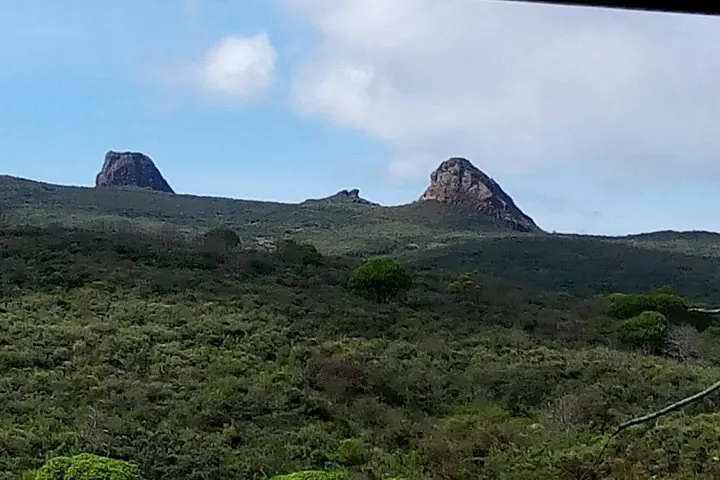
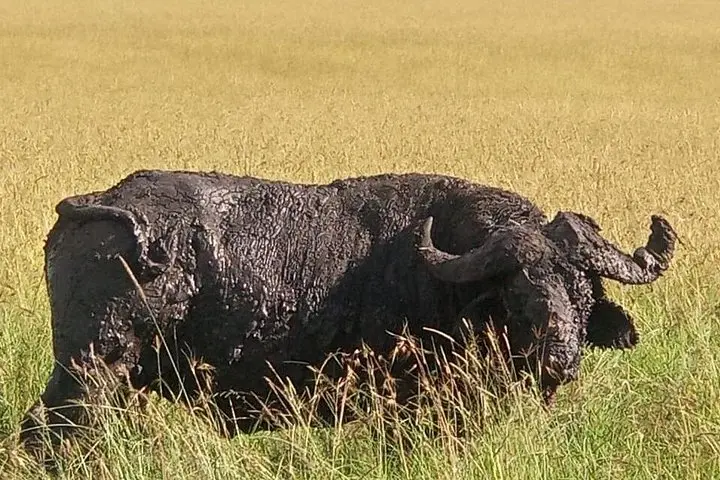
The Maasai Mara sits on the western edge of Kenya’s Rift Valley, an ecotone of rolling plains, riverine forest and kopjes carved from ancient volcanic flows. The reserve is famously contiguous with Tanzania’s Serengeti and hosts the annual wildebeest migration, where millions of animals cross rivers and challenge crocodile-lined currents. Human culture here is visible and living: Maasai bomas dot the approach roads and elders still tend cattle across a landscape shaped by pastoralism for centuries.
On a two-day camping group safari you’ll move with purpose—a Rift Valley viewpoint stop en route from Nairobi, an afternoon game drive into the Mara, a night at an eco-camp under clear highland skies, then an early-morning drive when predators are most active. Expect open-sided 4x4s, binoculars close at hand, and trackers reading spoor as if it were a ledger.
Practical notes: roads can be rough after rains; pack layered clothing for cool mornings and hot afternoons, sunscreen and a hat. Carry a compact daypack for game drives, a refillable water bottle, and charged camera batteries. Respect wildlife distances, follow your guide’s instructions, and plan flight connections for late afternoon returns to Nairobi.
Check routine vaccinations and consult a travel clinic about yellow fever requirements and malaria prophylaxis; carry proof of any required shots for entry if applicable.
The main highway to Narok is tarmac, but later sections and reserve tracks can be bumpy; travel times vary with weather—allow flex in schedules.
Eco-camps typically offer raised beds, communal bathrooms and hot meals; expect simpler amenities than lodges but comfortable, safe sleeping arrangements.
Many camps offer limited charging at set times or a small fee; bring power banks and spare batteries to be safe.
DRONES AFRICA SAFARIS operates guided outdoor trips and adventures with an emphasis on safety, stewardship, and memorable experiences.
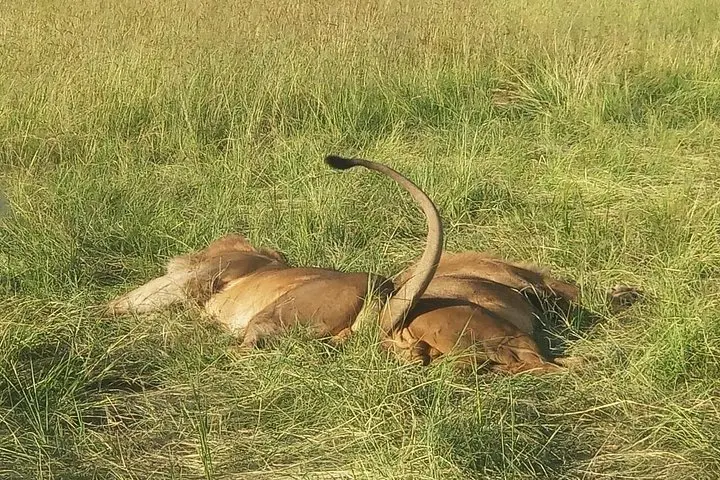
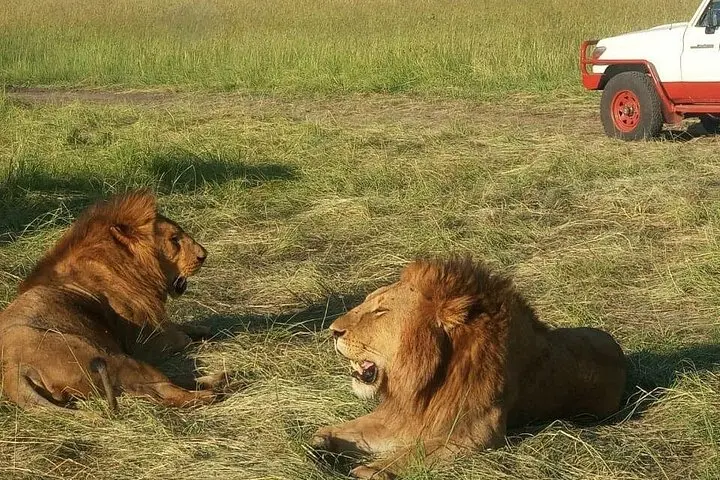
You pull off the tarred highway and the air changes—dust, sunlight, the low rumble of hooves and an occasional bird call. By late afternoon the Mara’s grasslands flatten into long stripes of gold and green; the vehicle slows, the guide scans, and a lion lifts its head like punctuation.
You pull off the tarred highway and the air changes—dust, sunlight, the low rumble of hooves and an occasional bird call. By late afternoon the Mara’s grasslands flatten into long stripes of gold and green; the vehicle slows, the guide scans, and a lion lifts its head like punctuation.
The Maasai Mara sits on the western edge of Kenya’s Rift Valley, an ecotone of rolling plains, riverine forest and kopjes carved from ancient volcanic flows. The reserve is famously contiguous with Tanzania’s Serengeti and hosts the annual wildebeest migration, where millions of animals cross rivers and challenge crocodile-lined currents. Human culture here is visible and living: Maasai bomas dot the approach roads and elders still tend cattle across a landscape shaped by pastoralism for centuries.
On a two-day camping group safari you’ll move with purpose—a Rift Valley viewpoint stop en route from Nairobi, an afternoon game drive into the Mara, a night at an eco-camp under clear highland skies, then an early-morning drive when predators are most active. Expect open-sided 4x4s, binoculars close at hand, and trackers reading spoor as if it were a ledger.
Practical notes: roads can be rough after rains; pack layered clothing for cool mornings and hot afternoons, sunscreen and a hat. Carry a compact daypack for game drives, a refillable water bottle, and charged camera batteries. Respect wildlife distances, follow your guide’s instructions, and plan flight connections for late afternoon returns to Nairobi.