THE ADVENTURE COLLECTIVE® · Independent discovery and booking for outdoor travel

Take an affordable two-day route to Machu Picchu that combines a scenic minivan crossing of the Andes with a rail-path hike from Hidroeléctrica to Aguas Calientes and an early-morning ascent to watch sunrise over the citadel. Practical for travelers seeking flexibility and value.
Take an affordable two-day route to Machu Picchu that combines a scenic minivan crossing of the Andes with a rail-path hike from Hidroeléctrica to Aguas Calientes and an early-morning ascent to watch sunrise over the citadel. Practical for travelers seeking flexibility and value.
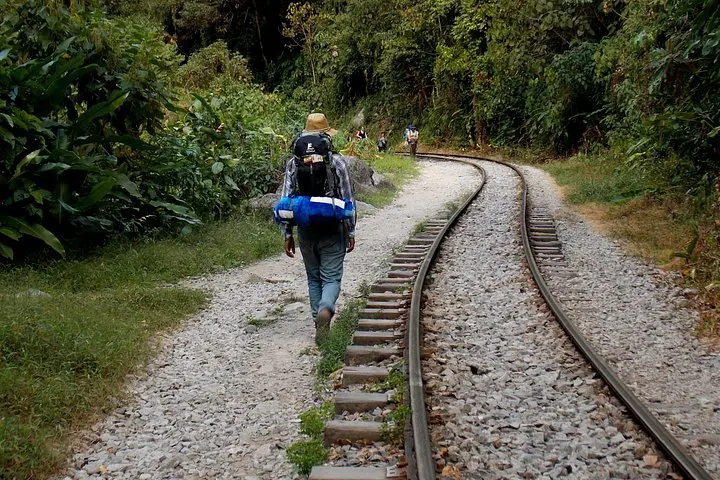
Dawn breaks on the Andean spine as the minivan threads switchbacks out of Cusco, the air sharpening and the peaks—snow-capped Veronica among them—watching like silent sentries. By midday the road drops into cloud forest; rivers quicken and the hillside tilts green. At Hidroeléctrica the engine stops and the group steps onto the gravel path that follows the railway, a steady, wearer-of-many-boot-treads route into Aguas Calientes.
Verified experiences and guided adventures in the surrounding area.
Operated by Mega Expeditions · Cusco, Cusco
Dawn breaks on the Andean spine as the minivan threads switchbacks out of Cusco, the air sharpening and the peaks—snow-capped Veronica among them—watching like silent sentries. By midday the road drops into cloud forest; rivers quicken and the hillside tilts green. At Hidroeléctrica the engine stops and the group steps onto the gravel path that follows the railway, a steady, wearer-of-many-boot-treads route into Aguas Calientes.
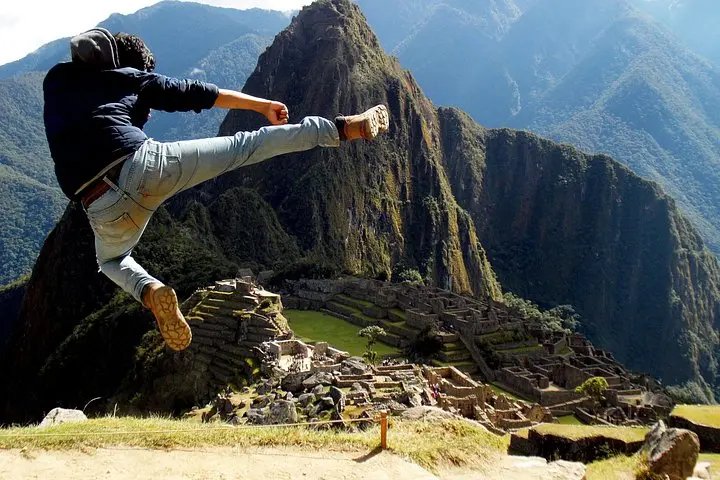
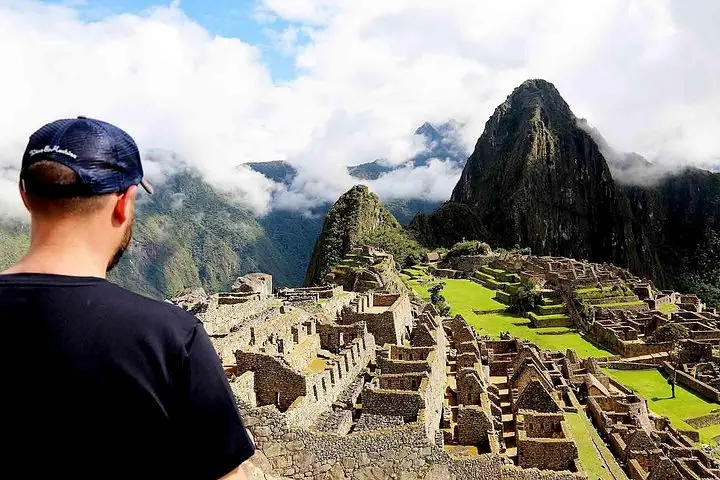
Machu Picchu sits where the eastern Andes give way to the Amazon watershed, a place shaped by rapid uplift and relentless erosion. The Inca citadel is less archaeological isolation than engineered encounter: terraces clinging to bedrock, finely cut stone working with the slope. Local Quechua communities and Spanish colonial history also shape the region—markets in Ollantaytambo offer woven belts and Andean barley beers, reminders that this route has always been lived in.
Practically, expect two active travel days: a long transit from Cusco to Hidroeléctrica, a 2–3 hour rail-path hike to Aguas Calientes, an early 40-minute ascent to the citadel and a guided 2-hour tour. Altitude and variable weather are constant companions; rain can arrive suddenly and trails can be muddy. Carry layered clothing, a waterproof cover, and 1.5–2 liters of water. Footwear with grip matters on wet stone and rail-bed paths.
The payoff is the sunrise over Intihuatana and the quiet moments when the ruins feel like a place reclaimed by people, water, and time. With modest fitness and sensible gear, this two-day itinerary turns logistics into approach and approach into one of the world’s most enduring views.
Yes; the tour description includes a Machu Picchu ticket (booked in advance as noted) and a guided visit on day two.
The route follows the railway for roughly 10–12 km and is mostly flat to rolling—expect 2–3 hours depending on pace and breaks.
Most operators allow leaving large luggage at your Cusco hotel while you travel to Aguas Calientes; confirm during booking and at pickup.
Yes; Cusco and Abra Málaga are high. Hydrate, avoid heavy exertion on arrival days, and consult a doctor about medication if you’re prone to severe symptoms.
Mega Expeditions operates guided outdoor trips and adventures with an emphasis on safety, stewardship, and memorable experiences.
Dawn breaks on the Andean spine as the minivan threads switchbacks out of Cusco, the air sharpening and the peaks—snow-capped Veronica among them—watching like silent sentries. By midday the road drops into cloud forest; rivers quicken and the hillside tilts green. At Hidroeléctrica the engine stops and the group steps onto the gravel path that follows the railway, a steady, wearer-of-many-boot-treads route into Aguas Calientes.
Dawn breaks on the Andean spine as the minivan threads switchbacks out of Cusco, the air sharpening and the peaks—snow-capped Veronica among them—watching like silent sentries. By midday the road drops into cloud forest; rivers quicken and the hillside tilts green. At Hidroeléctrica the engine stops and the group steps onto the gravel path that follows the railway, a steady, wearer-of-many-boot-treads route into Aguas Calientes.
Machu Picchu sits where the eastern Andes give way to the Amazon watershed, a place shaped by rapid uplift and relentless erosion. The Inca citadel is less archaeological isolation than engineered encounter: terraces clinging to bedrock, finely cut stone working with the slope. Local Quechua communities and Spanish colonial history also shape the region—markets in Ollantaytambo offer woven belts and Andean barley beers, reminders that this route has always been lived in.
Practically, expect two active travel days: a long transit from Cusco to Hidroeléctrica, a 2–3 hour rail-path hike to Aguas Calientes, an early 40-minute ascent to the citadel and a guided 2-hour tour. Altitude and variable weather are constant companions; rain can arrive suddenly and trails can be muddy. Carry layered clothing, a waterproof cover, and 1.5–2 liters of water. Footwear with grip matters on wet stone and rail-bed paths.
The payoff is the sunrise over Intihuatana and the quiet moments when the ruins feel like a place reclaimed by people, water, and time. With modest fitness and sensible gear, this two-day itinerary turns logistics into approach and approach into one of the world’s most enduring views.